
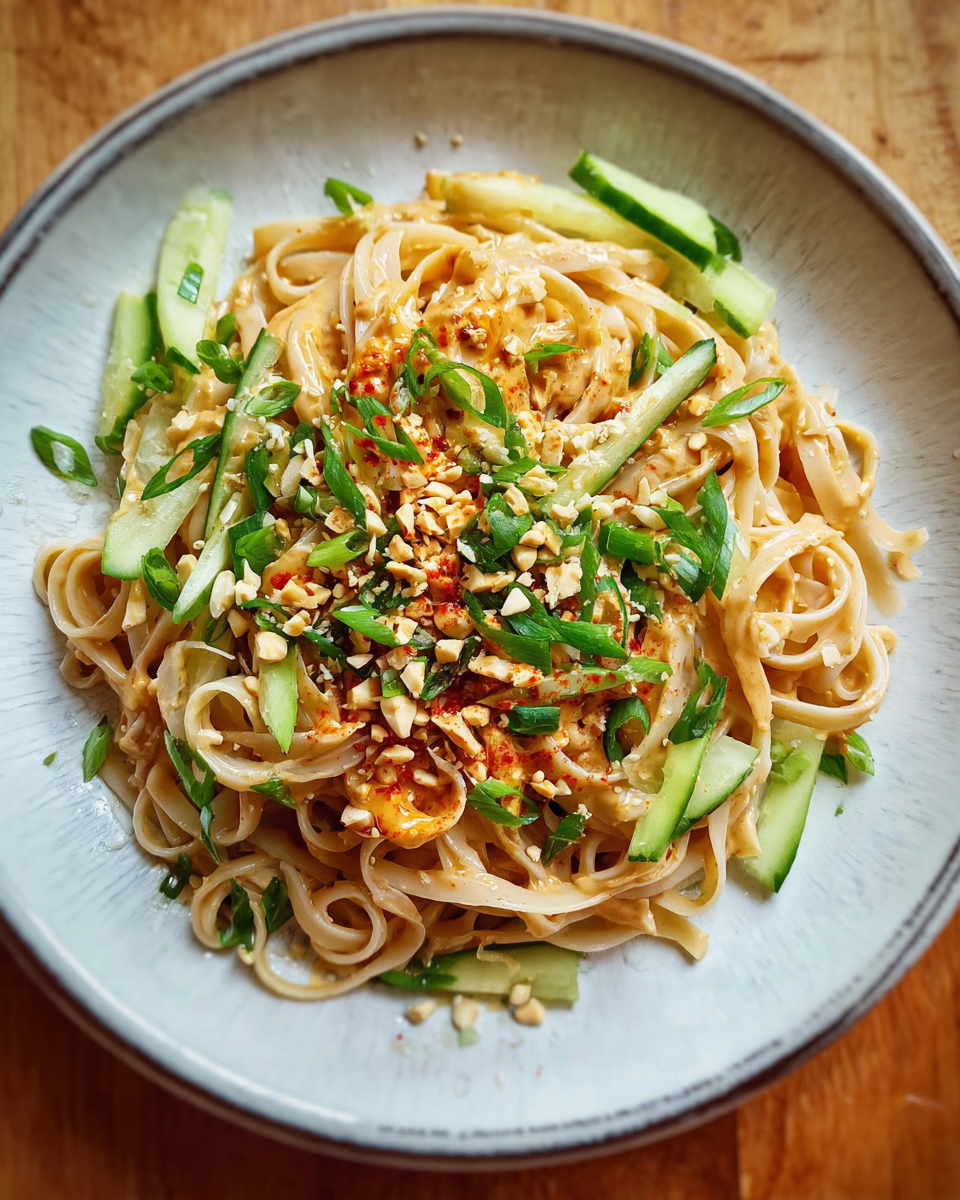
Sesame Noodles: A Flavor-Packed Twist for Every Table
If there’s one dish that combines simplicity with bold flavor, it’s sesame noodles. In this article, you’ll uncover the cultural roots of sesame noodles, explore how they’ve evolved into a global comfort food, and discover how to craft the perfect bowl at home with our delicious, nourishing recipe. We’ll also walk you through ingredients, tips for customization, and best serving ideas—plus answer your top FAQs. Get ready to reimagine this timeless classic with every slurp.
Print
Sesame Noodles: A Flavor-Packed Twist for Every Table
- Total Time: 30 minutes
- Yield: 3-4 servings
Description
- Sesame Noodles made easy—bold, nutty, healthy, and done in 30 minutes! Discover the ultimate sesame noodle recipe.
Ingredients
-
For the Noodles:
-
8 oz dried wheat noodles
-
3 tbsp sesame paste (Chinese-style)
-
2 tbsp peanut butter
-
3 tbsp reserved noodle cooking water
-
1 garlic clove, grated
-
1/2 tsp freshly grated ginger
-
1 tbsp honey or sugar (brown or white)
-
2 tbsp low-sodium soy sauce
-
1 tbsp rice vinegar
-
2 tsp black vinegar (Chinese-style)
-
1/2 tsp toasted sesame oil
-
1/2 tsp kosher salt
-
1/8 tsp five spice powder (optional)
-
1/8 tsp ground Szechuan peppercorns (optional)
-
Pinch of freshly grated nutmeg
-
1/4 tsp freshly ground black pepper (optional)
-
1/4 tsp MSG (optional)
For the Toppings:
-
Thinly sliced cucumber
-
Crushed roasted peanuts
-
Toasted sesame seeds
-
Chili oil
-
Thinly sliced green onions
-
Instructions
-
Cook the Noodles:
Bring a medium pot of water to a boil. Cook the noodles according to package directions until just tender, about 3 minutes. Reserve at least 1/4 cup of the cooking water, then drain and rinse the noodles briefly with cold water to stop the cooking. -
Prepare the Sauce Base:
In a mixing bowl, whisk together sesame paste and peanut butter. Slowly add 3 tablespoons of the reserved noodle water while stirring until the mixture becomes smooth. -
Mix the Sauce:
Add garlic, ginger, soy sauce, rice vinegar, black vinegar, honey (or sugar), sesame oil, salt, and all optional seasonings. Whisk until the sauce is fully blended and silky in texture. -
Assemble the Dish:
Place the noodles on serving plates. Drizzle the prepared sauce generously over the top. -
Add Toppings and Serve:
Finish with cucumber, peanuts, sesame seeds, chili oil, and green onions. Toss lightly before serving. Add a splash of reserved noodle water to loosen noodles if needed.
- Prep Time: 20 minutes
- Cook Time: 10 minutes
- Category: Pasta and Grain Salads
- Method: Boiled
- Cuisine: Asian-inspired
Table of Contents
The Comfort of Sesame Noodles in My Kitchen
Sesame noodles have a special place in my home kitchen. Growing up, I watched my grandmother stir together a simple sauce from pantry staples—soy sauce, sesame oil, and a bit of peanut butter—before tossing it with hot noodles. She’d let it chill and serve it for lunch with fresh cucumber and crushed peanuts. That dish carried a quiet kind of magic.
Fast forward to my own kitchen here in New Orleans, sesame noodles have become a go-to for busy weeknights and potluck favorites. They’ve taken on new life with touches of Chinese black vinegar, five spice, and even Szechuan peppercorns for a bold kick. These noodles are now a cross-cultural bowl of comfort—fusing old memories with new inspirations. Whether served cold or warm, they’re a reliable way to bring joy to any table.
These sesame noodles don’t just taste great—they check all the boxes. Quick to make. Easy to customize. Packed with protein, fiber, and healthy fats. They are the perfect mix of flavor and function, using ingredients that are probably already in your pantry. From the first toss to the final bite, these noodles keep you coming back for more.
Crafting the Perfect Sesame Sauce
The heart of sesame noodles lies in the sauce. For this recipe, we combine Chinese sesame paste and peanut butter—both rich and nutty—balanced by a splash of black vinegar and a touch of honey. The garlic and ginger give it depth while soy sauce anchors it with umami.
Using a bit of the reserved noodle cooking water helps emulsify the sauce into a silky blend. The optional spices—like Szechuan peppercorns or five spice—elevate it with a complex aroma and gentle heat. You can keep it simple or spice it up to match your taste.
Quick Tips for a Balanced Bowl
For texture and balance, the toppings matter just as much as the sauce. Thin cucumber slices cool everything down, while roasted peanuts offer a satisfying crunch. Chili oil adds heat, green onions bring brightness, and sesame seeds enhance that nutty base flavor.
Make sure your noodles are cooked just tender, rinsed with cold water to stop the cooking, and drained well. If the noodles get sticky, a splash of noodle water will loosen things up again. You can even prepare the sauce ahead for meal-prep ease.
Looking for more flavor-packed salad inspirations? Check out this Cowboy Caviar Couscous Salad for a colorful twist or enjoy the indulgent textures of this Lobster Roll Pasta Salad.
Elevate Your Everyday with Sesame Noodles
Sesame noodles may sound simple, but their versatility makes them truly extraordinary. This dish can be served hot, cold, or at room temperature—making it a year-round staple. Whether you’re feeding a crowd or prepping lunch for the week, sesame noodles adapt beautifully to any occasion.
When served cold, they provide a refreshing, satisfying meal on a summer day. Serve them warm for cozy comfort during cooler months. The sauce clings to the noodles either way, making every bite rich and satisfying. The dish also holds up well in lunchboxes or picnic spreads, keeping its flavor intact even after hours in the fridge.
A Vegetarian Staple with Global Appeal
Vegetarian dishes often struggle to deliver on depth of flavor—but sesame noodles rise above. The sesame paste and peanut butter provide richness and umami, while soy sauce and black vinegar layer in complex, savory notes. You won’t miss the meat at all.
Even better, sesame noodles are a brilliant entry point for exploring Asian-inspired flavors at home. You can toss in tofu for protein, or even add shredded cabbage or sautéed mushrooms for extra texture. It’s a dish that welcomes improvisation.
From New York delis to Taiwanese night markets, sesame noodles have made their mark globally. Yet the version you create in your kitchen can be uniquely yours—shaped by the ingredients you love and the flavors you crave.
Ready to explore new twists on your favorite pasta bowls? Add a seafood-inspired spin by exploring our creamy Lobster Roll Pasta Salad or discover a protein-packed lunch with our vibrant Cowboy Caviar Couscous Salad.
Understanding the Origins of Sesame Noodles
To fully appreciate sesame noodles, it’s worth tracing their roots. This dish has strong ties to Chinese cuisine, particularly from the Sichuan region where bold, spicy, and tangy flavors dominate. Traditionally, sesame noodles—sometimes called Ma Jiang Mian—use wheat noodles coated in a rich sesame sauce and served chilled as a cooling summer meal.
Over time, sesame noodles evolved through Asian-American kitchens, gaining global popularity. Today, you’ll find versions from high-end restaurants to corner takeout joints. The ingredients may vary slightly—tahini instead of Chinese sesame paste, or added chili oil—but the essence remains: deeply flavorful, satisfying noodles that require minimal effort.
This culinary evolution showcases the strength of sesame noodles. They’re a cultural bridge, combining heritage with personal flair. The balance of nuttiness, acidity, and spice captures the spirit of fusion cooking—deeply rooted, yet endlessly adaptable.
Mastering Ingredient Swaps and Flavor Hacks
One of the joys of sesame noodles is their flexibility. While this recipe sticks to traditional ingredients like Chinese sesame paste and black vinegar, you can easily tailor it to your pantry. No Chinese sesame paste? Tahini works in a pinch. Can’t find black vinegar? Use a blend of balsamic and rice vinegar for a similar effect.
For a gluten-free version, substitute wheat noodles with rice noodles or soba made from 100% buckwheat. Peanut allergies? Try almond butter or sunflower seed butter. Want more heat? Add extra chili oil or toss in a few drops of sriracha.
When making these swaps, the key is balance. Always taste as you go, adjusting the sauce for harmony between salty, sweet, sour, and nutty. And remember, the toppings add depth—so don’t skip the crunch of peanuts or the brightness of cucumber.
How to Serve and Store Sesame Noodles
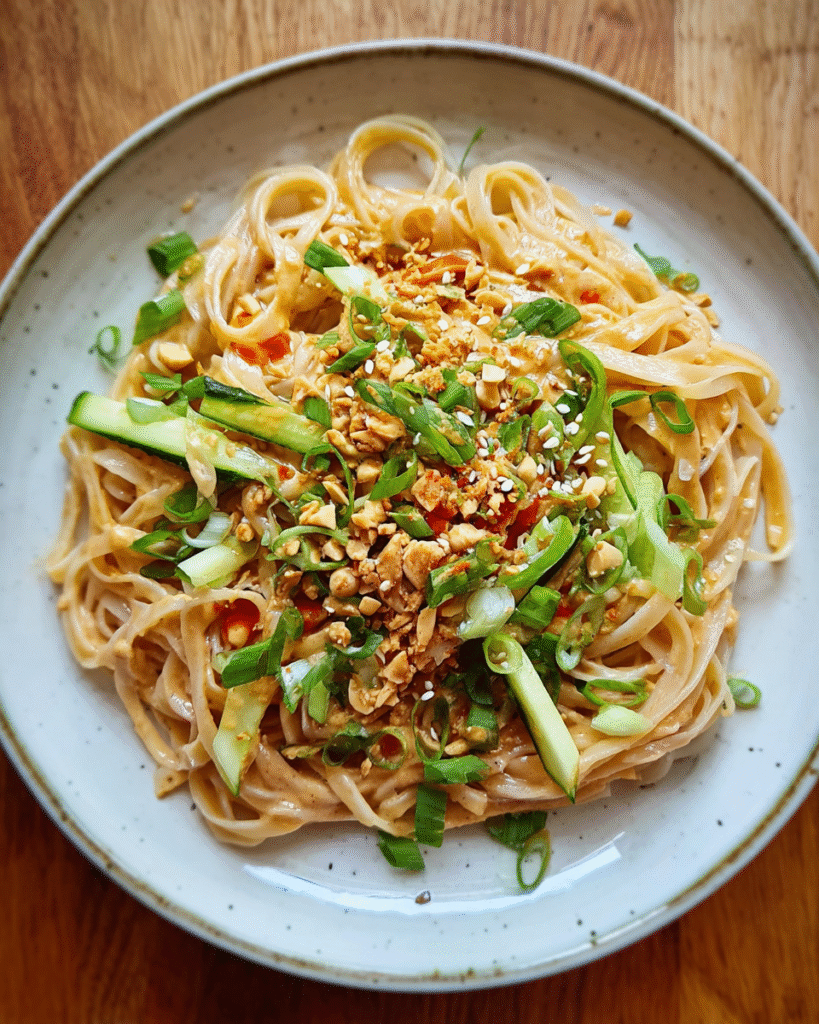
Once your sesame noodles are tossed and topped, serving is as simple as plating and enjoying. You can serve them in a deep bowl for a cozy, comforting meal or pile them onto a platter for a family-style dinner. Garnish with a flourish—more toasted sesame seeds, a drizzle of chili oil, or a handful of crushed peanuts. These little additions turn a humble bowl into a restaurant-worthy presentation.
For meal prep, sesame noodles hold up beautifully in the fridge. Store in an airtight container for up to three days. If the noodles stiffen slightly from the cold, just stir in a splash of water or soy sauce before eating. You can even pack them in a lunchbox with toppings stored separately to keep everything fresh.
Planning to serve them at a gathering? Prep the sauce ahead of time and cook the noodles right before serving. Toss together in minutes and garnish just before it hits the table. It’s stress-free, make-ahead magic.
Make Sesame Noodles Part of Your Healthy Routine
Despite their bold flavor, sesame noodles can fit into a balanced lifestyle. This recipe, for example, is vegetarian and includes heart-healthy fats from sesame paste and peanut butter. You’re also getting fiber from the noodles and antioxidants from the garlic and ginger.
Pair it with a protein like grilled tofu, tempeh, or even a soft-boiled egg to make it more complete. Want to boost the veggie content? Toss in shredded carrots, snow peas, or sautéed mushrooms. These add both texture and nutrients without overpowering the dish.
And the best part? You control the sodium and sugar levels. Using low-sodium soy sauce and adjusting the sweetness lets you tailor the recipe to your health goals—without sacrificing flavor. This makes sesame noodles more than just a treat; they become a smart, sustainable meal option.
FAQS
What noodle is used for sesame noodles?
Traditional sesame noodles typically use dried wheat noodles—similar to Chinese lo mein or Japanese ramen noodles. They provide the perfect chewy texture to soak up the rich sesame sauce. However, soba noodles, rice noodles, or even spaghetti can work in a pinch depending on dietary preferences.
How to eat sesame noodles?
Sesame noodles can be served hot, warm, or cold. They are often eaten cold or at room temperature, especially during warmer months. Toss them thoroughly with the sauce, add your toppings, and enjoy them with chopsticks or a fork. Pairing them with proteins or vegetables enhances the meal.
How to use sesame seeds in noodles?
Toasted sesame seeds are a classic finishing touch for sesame noodles. They amplify the nutty flavor and add a slight crunch. Simply sprinkle them over the top before serving. For deeper flavor, toast the seeds in a dry pan for a few seconds until golden and fragrant.
Are sesame noodles good for you?
Yes, sesame noodles can be part of a healthy diet when prepared thoughtfully. They include heart-healthy fats, plant-based proteins, and are vegetarian-friendly. By controlling ingredients like sodium, sugar, and oil, you can enjoy a flavorful yet balanced dish that satisfies and nourishes.
Conclusion: A Simple Dish That Delivers Every Time
Sesame noodles prove that flavor doesn’t require complexity. In just 30 minutes, you can craft a dish that blends heritage, taste, and versatility into every bite. Whether you’re craving comfort food, preparing lunch for the week, or bringing something bold to the potluck table, this recipe will rise to the occasion.
By understanding how sesame noodles fit into culinary traditions—and how you can make them your own—you unlock a world of possibility from a single bowl. It’s time to whip up a batch, share it with someone you love, and enjoy this timeless favorite your way.
For more successful recipes, you can visit our Facebook page or our Pinterest account


