Peanut Sauce Perfection: Unlock Flavor With This Simple Secret
Peanut sauce is one of those irresistible flavor boosters that turns any ordinary dish into something extraordinary. Whether you’re drizzling it over a rice bowl, using it as a salad dressing, or dipping your favorite wraps, mastering peanut sauce opens up a world of rich, savory satisfaction. In this article, we’ll unravel everything you need to know—from what peanut sauce really is, to how to make it from scratch, the key ingredients you should never skip, creative customizations, and versatile ways to serve it. Let’s dive into the world of peanut sauce and discover how to elevate your meals with every spoonful.
Print
Peanut Sauce Perfection: Unlock Flavor With This Simple Secret
- Total Time: 10 minutes
- Yield: About 6 ounces
Description
- Peanut sauce made simple—unlock bold flavor with this easy, 10-minute recipe and endless customizations. Creamy, versatile, and unforgettable.
Ingredients
-
5 tablespoons creamy unsweetened peanut butter
-
3 tablespoons water (plus more as needed)
-
3 tablespoons low-sodium soy sauce or tamari (for gluten-free option)
-
2 tablespoons freshly squeezed lime juice
-
1 tablespoon honey
-
2 teaspoons freshly grated ginger
-
1 teaspoon toasted sesame oil
-
1 teaspoon sriracha
-
1/2 teaspoon garlic powder
Instructions
-
In a medium mixing bowl, combine peanut butter, water, soy sauce, lime juice, honey, ginger, sesame oil, sriracha, and garlic powder.
-
Whisk until smooth and creamy.
-
Taste the sauce and adjust seasoning if needed. Add more water, one tablespoon at a time, to achieve your preferred consistency.
-
Use immediately or refrigerate in an airtight container for later use.
- Prep Time: 10 minutes
- Cook Time: 00 minutes
- Category: Protein-Packed Salads
- Method: No-cook
- Cuisine: Asian-inspired
Table of Contents
What is Peanut Sauce
Understanding the Basics of Peanut Sauce
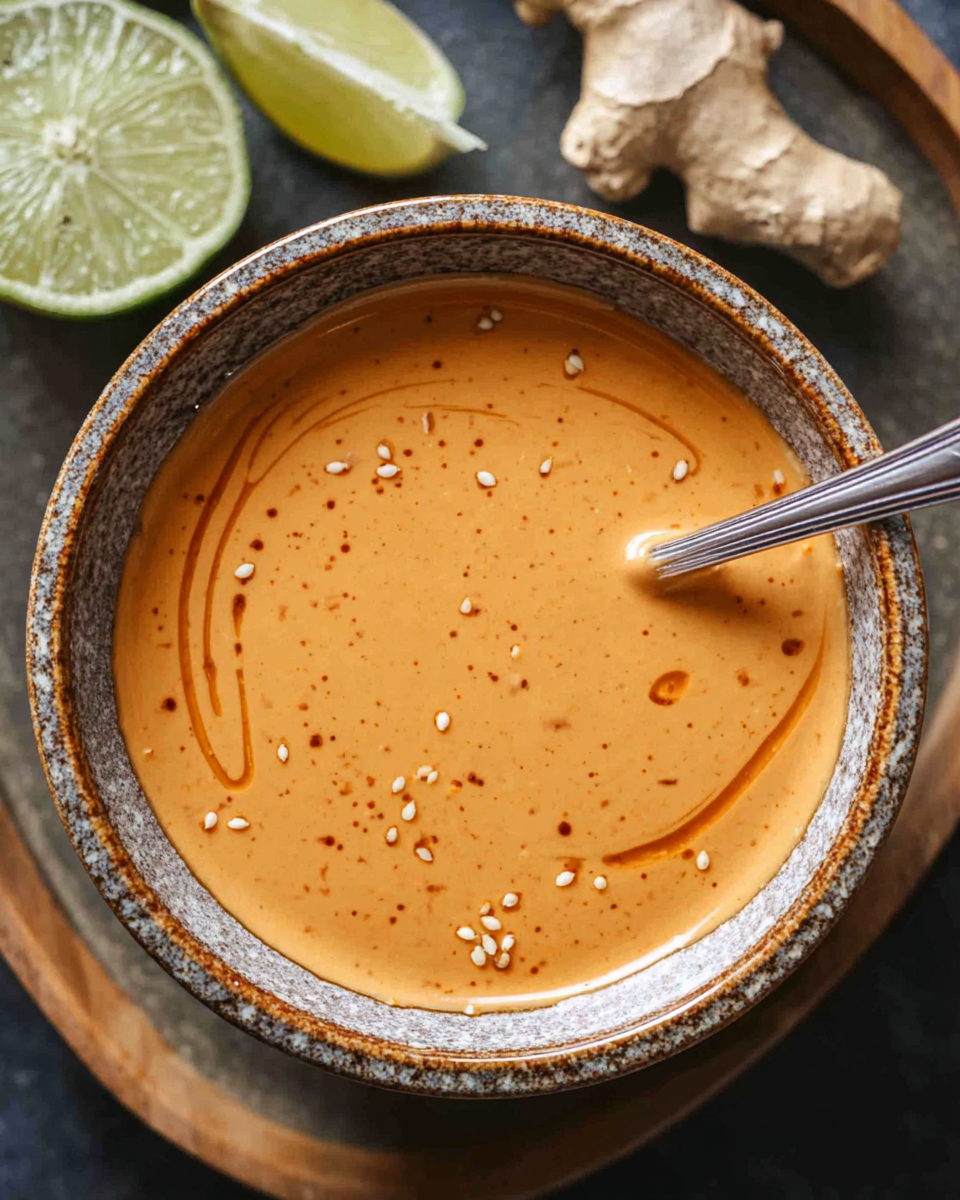
Peanut sauce is a creamy, savory-sweet condiment that forms the heart of many Asian-inspired dishes. At its core, this sauce blends peanut butter with a few essential ingredients to create a rich, flavorful topping or dip. The appeal of peanut sauce lies in its perfect balance—nutty, slightly tangy, a little sweet, and often with a gentle kick of heat. Whether it’s spread over noodles, spooned onto a grain bowl, or served as a dip for grilled chicken, the peanut sauce always delivers bold character with minimal effort.
Where Peanut Sauce Comes From
This sauce has roots that run deep in Southeast Asian cuisine, particularly in Indonesia and Thailand. In Indonesian cooking, it’s known as “bumbu kacang” and is a staple in dishes like Gado-Gado. Thai cuisine features it frequently alongside satay skewers and fresh rolls. These regional versions vary, using local ingredients such as tamarind, coconut milk, palm sugar, and fresh chilies. While the Western version of peanut sauce often uses smooth peanut butter and pantry staples, the global influence of this condiment remains clear—and delicious.
Why It’s a Kitchen Staple
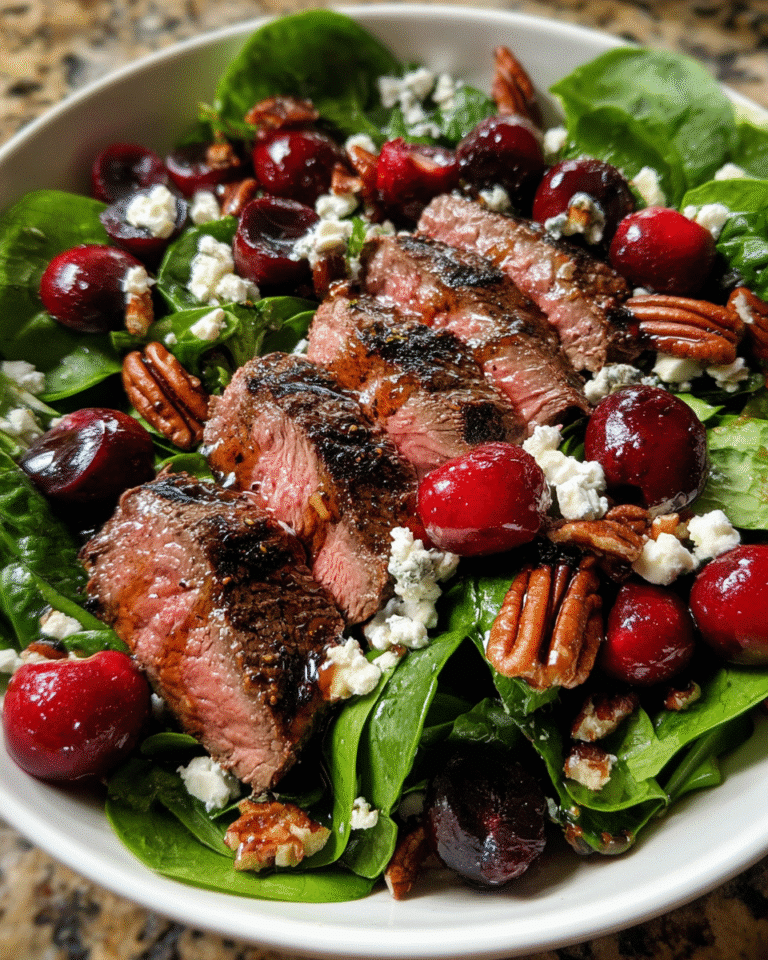
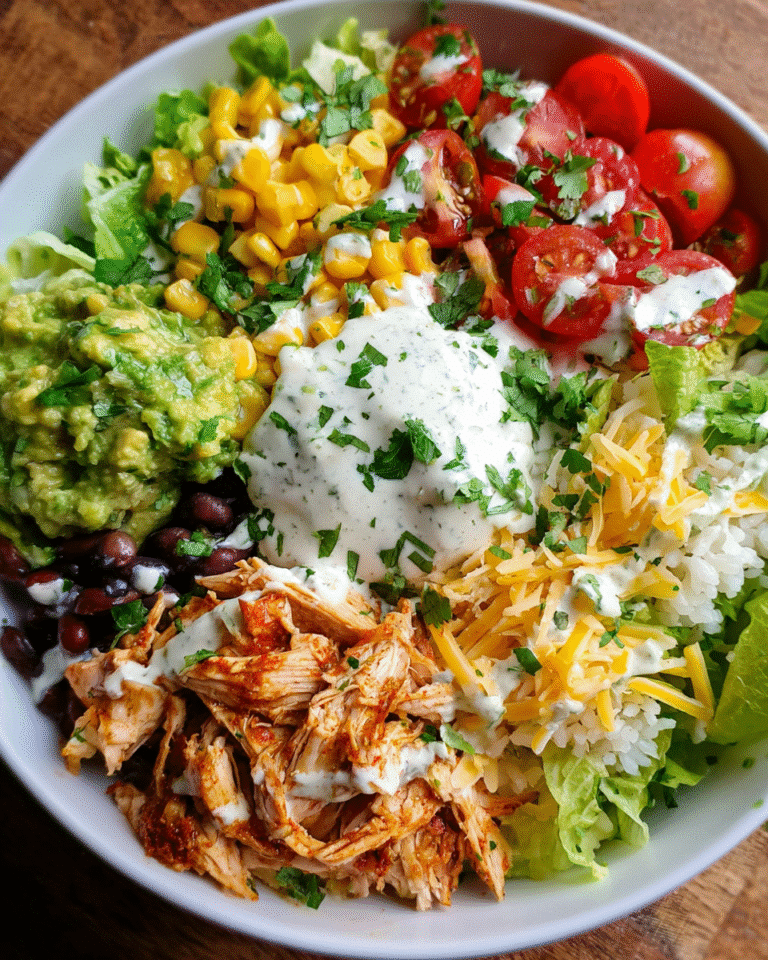
The versatility of peanut sauce is one of its biggest strengths. You can make it thick for dipping spring rolls, or thin it down to drizzle over vibrant salads. It pairs beautifully with proteins like chicken, tofu, or shrimp, and it elevates simple vegetable dishes instantly. It even complements recipes like our Chicken Satay Crispy Rice Salad Bowls and Spinach Pecan Brown Rice Salad. With such wide use and easy adaptability, it’s no wonder this sauce is a staple in many kitchens.
Peanut Sauce Ingredients: What Makes It Work
Peanut Butter: The Core Foundation
Every great peanut sauce starts with peanut butter—smooth, unsweetened, and rich in flavor. It provides the creamy base and nutty depth that defines the sauce. Natural peanut butter is often preferred, as it lacks added sugars and hydrogenated oils, giving you control over the final taste and texture. Whether you’re whipping up a dip or a drizzle, using high-quality peanut butter ensures a balanced, indulgent mouthfeel that doesn’t overpower your dish.
Flavor-Boosting Additions
What sets peanut sauce apart from plain peanut butter is the symphony of supporting flavors. Low-sodium soy sauce (or tamari for a gluten-free twist) brings the saltiness and umami punch. Lime juice adds brightness and acidity, while honey lends a subtle sweetness that softens the sauce’s edge. Freshly grated ginger contributes a warm, spicy kick that elevates the complexity. These ingredients don’t just enhance taste—they balance each other to create a harmonious, crave-worthy sauce.
Texture Control with Liquids and Oils
Peanut butter is naturally thick, so water is essential to loosen the sauce into a pourable or scoopable form. Toasted sesame oil adds a fragrant depth, creating a silkier texture and earthy undertone. For heat lovers, sriracha brings just the right amount of spice without overwhelming the base. Garlic powder is a quick, effective way to infuse that garlicky savoriness. All these elements allow you to tailor your sauce’s consistency and character—whether you want it light and fluid for salads or thick and sticky for satay.
How to Make Peanut Sauce from Scratch
Simple Steps to Mix It Right
Making peanut sauce is incredibly straightforward, and it only takes about 10 minutes. Start with five tablespoons of creamy, unsweetened peanut butter in a medium bowl. Add three tablespoons of water to loosen it up, followed by three tablespoons of low-sodium soy sauce or tamari. Next, pour in two tablespoons of freshly squeezed lime juice and one tablespoon of honey for that signature tangy-sweet balance. Stir in two teaspoons of freshly grated ginger, one teaspoon of toasted sesame oil, one teaspoon of sriracha for heat, and a half teaspoon of garlic powder. Whisk everything together until smooth and creamy.
Getting the Consistency Just Right
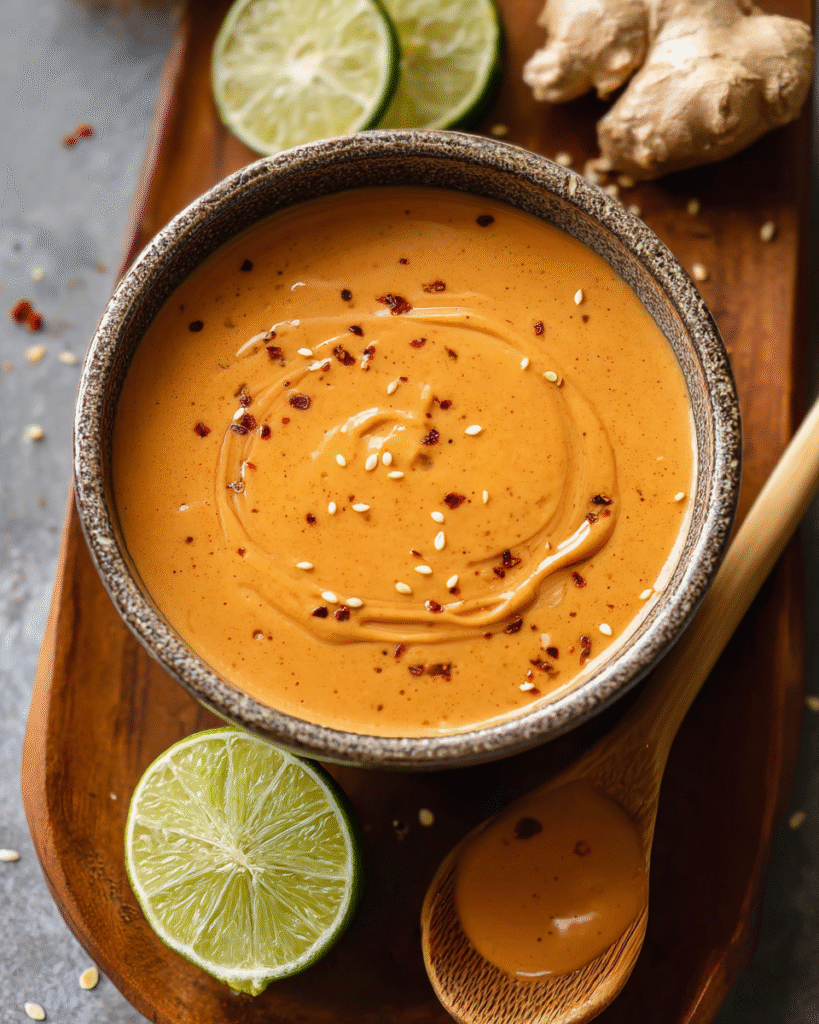
Consistency can make or break your peanut sauce experience. If you need it thinner for drizzling or dressing, simply add more water—one tablespoon at a time—until it reaches your desired texture. If you’re aiming for a thicker, clingy dip, ease up on the water and let the sauce stay dense and rich. Taste as you go, adjusting the lime juice for brightness, honey for sweetness, or sriracha for heat. The beauty of this recipe is that it welcomes personal tweaks while staying reliably delicious.
Storage Tips to Keep It Fresh
One of the best parts about this peanut sauce is that it stores beautifully. Keep it in an airtight container in the refrigerator for up to a week. It may thicken slightly when chilled, but a quick stir or splash of water will revive its creamy texture. If you’ve made a larger batch, you can even freeze it in ice cube trays—perfect for portioned defrosting. Just thaw and whisk before using. This makes it a time-saving staple you’ll reach for again and again.
Peanut Sauce Variations & Customizations
Turning Up the Heat or Sweetness
One of the most exciting aspects of peanut sauce is how easily it adapts to your flavor preferences. Craving a kick? Add extra sriracha, chili flakes, or a splash of hot chili oil. Want something milder and kid-friendly? Reduce or omit the heat and boost the sweetness with a bit more honey or even maple syrup. For a more complex flavor profile, consider adding a dash of rice vinegar or tamarind paste. These small tweaks help the sauce match whatever dish you’re preparing—from spicy wraps to gentle grain bowls.
Diet-Friendly Peanut Sauce Tweaks
Peanut sauce can easily align with special diets. For a gluten-free version, swap soy sauce with tamari or coconut aminos. Going vegan? Just replace the honey with maple syrup or agave nectar. If you or someone you cook for has a peanut allergy, consider using almond butter or sunflower seed butter as a substitute. Keep in mind, each alternative slightly changes the flavor, but the overall balance remains rich, savory, and satisfying.
Adjusting the Sauce to Suit Your Dish
How you intend to use peanut sauce should guide your final adjustments. For a salad dressing, you’ll want a thinner, pourable consistency—add more water or lime juice to loosen it. If you’re using it as a dip, keep it thick enough to cling to veggies or skewers. Planning to marinate tofu or chicken? Leave it dense, so it coats the protein well and holds onto flavor during cooking. Peanut sauce doesn’t just adapt—it elevates.
Serving Ideas: Using Peanut Sauce Creatively
Perfect Pairing with Protein-Packed Salads
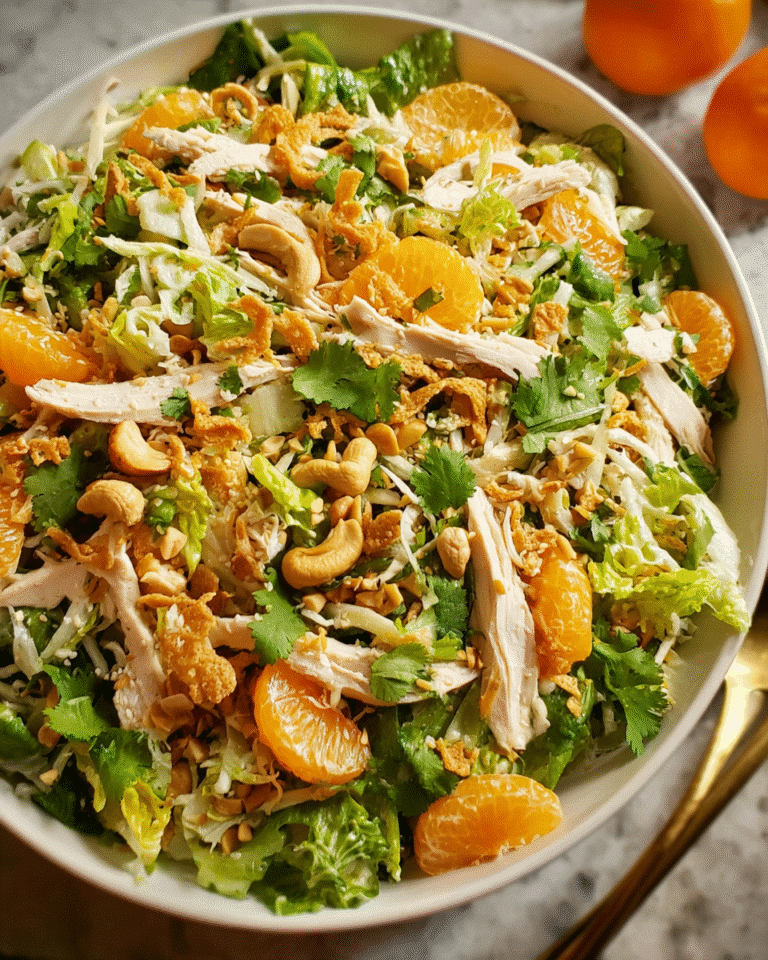
Peanut sauce is a natural partner for hearty, wholesome salads. Its creamy texture and bold flavor make it a standout dressing, especially in salads featuring grains, greens, and proteins. Drizzle it over a crispy, Thai-inspired bowl like our Chicken Satay Crispy Rice Salad Bowls or pair it with nutty grains and earthy greens as in our Spinach Pecan Brown Rice Salad. The sauce pulls all the ingredients together and adds a rich, satisfying element that makes every bite feel complete.
Serve It as a Dipping Sauce
Peanut sauce shines as a dip for spring rolls, grilled chicken skewers, tofu bites, or even roasted vegetables. Its thick, velvety body is ideal for scooping and dunking, offering layers of nutty, spicy, and tangy flavor in every bite. You can prepare it in advance, store it in the fridge, and pull it out whenever your appetizer platter needs a creamy upgrade. Just give it a stir or splash of water to restore its smoothness if it thickens.
Drizzle Over Bowls, Noodles, and Stir-Fries
A quick drizzle of peanut sauce can transform a simple grain bowl or noodle dish into something extraordinary. Pour it over soba noodles, jasmine rice, or veggie stir-fries for an instant flavor boost. Its depth and creaminess pair well with crisp vegetables and fresh herbs, making it a go-to for finishing dishes with flair. Add crushed peanuts and a squeeze of lime, and you’ve got a weeknight dinner that tastes restaurant-worthy.
Troubleshooting & Common Peanut Sauce Questions
Why Is My Peanut Sauce Too Thick or Too Thin?
The consistency of peanut sauce can shift depending on your ingredients and how you mix them. If your sauce turns out too thick, don’t worry—just add more water, one tablespoon at a time, until it loosens to your desired texture. If it’s too thin, stir in an extra spoonful of peanut butter or let it rest a few minutes to naturally thicken. Always whisk thoroughly so the ingredients emulsify smoothly, and adjust based on whether you’re dipping, drizzling, or marinating.
Fixing Overly Salty or Sweet Flavors
It’s easy to accidentally go overboard with seasoning. For sauce that tastes too salty, balance it out with more lime juice, water, or a touch of honey. If it’s too sweet, add more soy sauce or a dash of vinegar to restore balance. These small adjustments can help you customize the sauce without starting over. Taste as you go—peanut sauce is forgiving, and tweaking it just right makes all the difference.
How Long Does It Last and Can You Freeze It?
Homemade peanut sauce can be stored in the refrigerator for up to a week in an airtight container. The flavors actually deepen with time, making it even better the next day. If you don’t plan to use it within a few days, freeze it in small portions using an ice cube tray. Once frozen, transfer the cubes to a sealed bag and defrost individual portions as needed. Just whisk after thawing, and it’s ready to use again.
FAQS
How is peanut sauce made?
Peanut sauce is made by whisking together peanut butter, water, soy sauce or tamari, lime juice, honey or another sweetener, grated ginger, sesame oil, sriracha, and garlic powder. These ingredients blend into a smooth, creamy sauce that can be adjusted in consistency and flavor depending on how you plan to use it. It’s simple, fast, and doesn’t require cooking—just mix and serve.
What are the 4 ingredients in peanut sauce for chicken?
A basic peanut sauce for chicken typically includes peanut butter, soy sauce, lime juice, and a sweetener like honey or maple syrup. These four ingredients create a well-balanced, flavorful sauce that complements grilled or roasted chicken. You can enhance the base with garlic, ginger, or chili for extra depth.
How to make simple peanut dipping sauce?
To make a quick dipping sauce, combine peanut butter with warm water to thin it, then add soy sauce, a bit of lime juice, and honey. Mix until smooth. You can adjust the ratio depending on your taste or add sriracha for heat. It’s great with spring rolls, skewers, or fresh veggies.
What is peanut sauce called?
In different regions, peanut sauce may go by various names. In Indonesia, it’s called “bumbu kacang,” especially when served with satay. In Western cuisine, it’s commonly referred to as peanut sauce or satay sauce. Regardless of the name, the concept remains similar—a creamy, flavorful peanut-based condiment.
Conclusion
Peanut sauce is more than just a condiment—it’s a flavor powerhouse that brings warmth, depth, and character to any dish. Whether you whisk it together for a quick weeknight dinner or batch-make it for meal prep, this simple sauce adds an irresistible richness to everything it touches. From salads to noodles, from wraps to roasted vegetables, its versatility knows no limits.
By understanding the ingredients, learning how to balance flavors, and adjusting the texture to suit your needs, you’ll unlock endless possibilities in your kitchen. Give it a try, and you might just find it becomes your go-to finishing touch—no matter what you’re cooking.
For more successful recipes, you can visit our Facebook page or our Pinterest account