Roasted Butternut Squash Salad – A Colorful, Flavor-Packed Fall Favorite
Introduction :
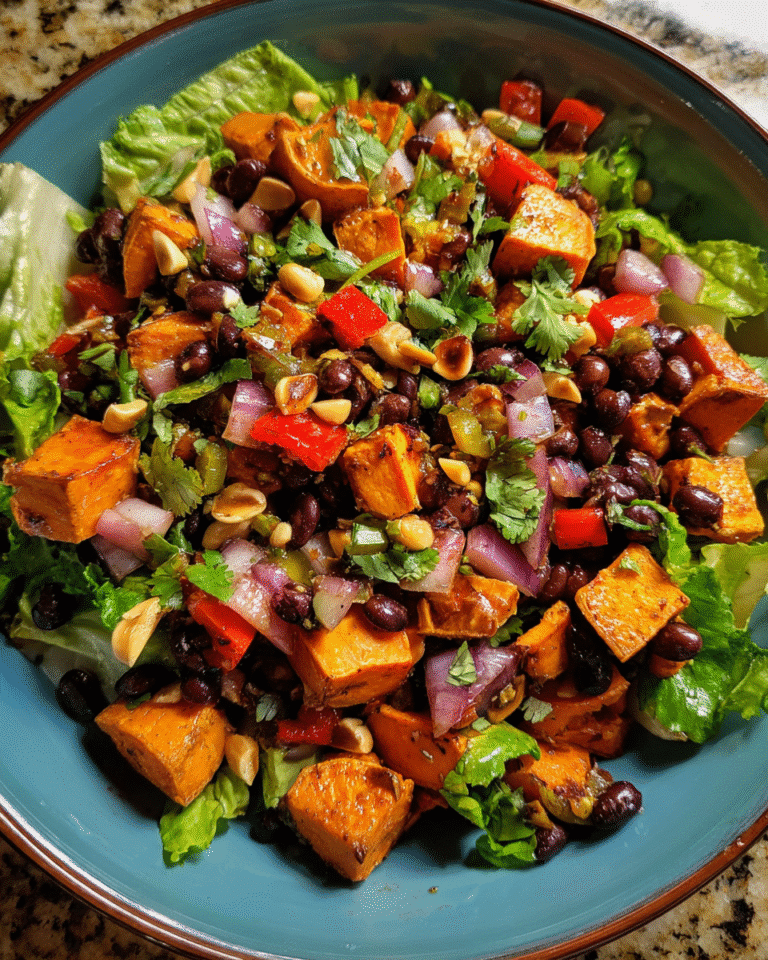
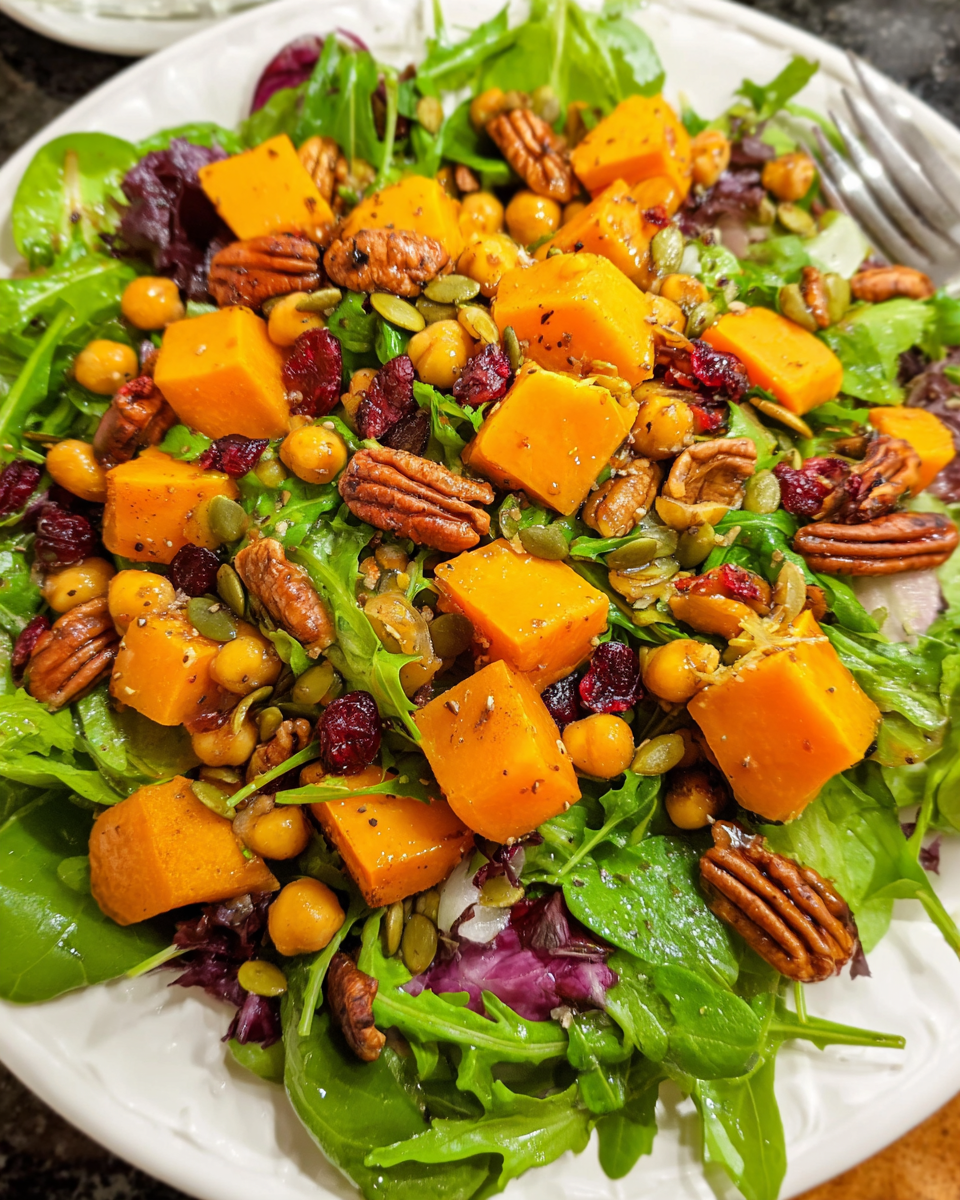
There’s something undeniably comforting about a warm, roasted butternut squash salad on a crisp autumn day. With its golden caramelized cubes, crunchy pecans, vibrant greens, and a zesty citrus-maple dressing, this salad brings together the best of fall flavors in one nourishing bowl. Whether you’re making a quick lunch, a holiday side dish, or prepping meals for the week, this roasted butternut squash salad delivers both taste and nutrition. In this article, you’ll learn how to roast the squash perfectly, build the ideal salad, customize it to your liking, and store it smartly — all while using simple, wholesome ingredients.
Roasted Butternut Squash Salad – A Colorful, Flavor-Packed Fall Favorite
- Total Time: 30 minutes
- Yield: 4 servings
Description
- Roasted Butternut Squash Salad made easy: vibrant ingredients, expert roasting tips, and fresh flavors to enjoy this fall favorite.
Ingredients
-
For the salad:
-
1 medium butternut squash, peeled and cubed
-
1 can (15 oz) chickpeas, drained
-
1 tablespoon olive oil
-
1 teaspoon smoked paprika
-
6 cups mixed greens (arugula, red leaf lettuce, baby spinach)
-
1/2 cup pecans
-
1/4 cup dried cranberries
-
1/4 cup pumpkin seeds
-
3–4 green onions or 1 small red onion, sliced
For the dressing:
-
Juice of 1 orange
-
2 tablespoons apple cider vinegar
-
1 tablespoon maple syrup
-
1 tablespoon olive oil
-
Salt and black pepper to taste
-
Instructions
-
Preheat your oven to 400°F.
-
In a mixing bowl, toss the cubed butternut squash and chickpeas with olive oil and smoked paprika.
-
Spread them out on a baking sheet lined with parchment paper and roast for 20-25 minutes, or until the squash is soft and lightly browned.
-
Meanwhile, rinse and dry your mixed greens. Slice the green onions or red onion.
-
In a large salad bowl, combine the greens, onions, pecans, cranberries, and pumpkin seeds.
-
For the dressing, whisk together orange juice, apple cider vinegar, maple syrup, olive oil, salt, and pepper in a small bowl or shake in a jar.
-
Once roasted, allow the squash and chickpeas to cool slightly for about 5 minutes.
-
Add them to the salad bowl, pour over the dressing, toss gently, and serve.
- Prep Time: 10 minutes
- Cook Time: 20 minutes
- Category: Protein-Packed Salads
- Method: Roasting
- Cuisine: American
Table of Contents
Exploring the Heart of a Perfect Roasted Butternut Squash Salad
What makes a quality roasted butternut squash salad
A truly remarkable roasted butternut squash salad combines sweet, tender squash with textures and flavors that contrast and complement. The salad shines when the squash is perfectly caramelized, slightly crisp on the edges, and silky soft inside. Its natural sweetness deepens in the oven, transforming into something rich and earthy. Paired with crisp greens like arugula or red leaf lettuce, a handful of crunchy pecans, tart dried cranberries, and a splash of citrusy dressing, it becomes an explosion of color, texture, and taste. Every bite balances savory warmth with refreshing brightness — the essence of a well-executed seasonal salad.
Key ingredients in a great squash-salad
A standout roasted butternut squash salad relies on fresh, accessible ingredients working in harmony. You’ll start with a medium butternut squash, peeled and cubed to roast alongside chickpeas tossed in olive oil and smoked paprika. A generous base of mixed greens forms the foundation. Pecans bring a satisfying crunch, while pumpkin seeds and dried cranberries add texture and a burst of sweet-savory flavor. Sliced green onions or red onions offer bite and freshness. These elements, when combined, create a layered, nutrient-rich salad that’s hearty yet light — ideal for a balanced meal or vibrant side.
Why roasting the squash matters in your salad
Roasting is the catalyst that elevates this salad. Unlike steaming or boiling, roasting butternut squash concentrates its natural sugars, resulting in caramelized edges and deepened flavor. This technique also helps retain its structure — essential for avoiding mushy salad textures. Roasting chickpeas alongside the squash adds a crispy, protein-rich bonus, making the salad more substantial. Set your oven to 400°F, roast for 20–25 minutes, and let the heat work its magic. Once cooled slightly, the squash integrates seamlessly into the salad, delivering warmth, complexity, and a cozy, nourishing essence that defines the dish.
Preparing Butternut Squash for Roasting the Right Way
How to choose and prep your squash
Start with the right squash — look for one that feels heavy for its size with matte, unblemished skin and a firm stem. Avoid squash with green patches or soft spots. When stored in a cool, dry place, whole butternut squash can last for weeks, making it a pantry staple through the colder months. Before roasting, rinse and dry the squash, then trim off both ends. With a sharp peeler, remove the skin, revealing the vibrant orange flesh beneath. This initial preparation sets the stage for even roasting and a salad that pops with both flavor and color.
How do I prepare butternut squash for roasting?
Once peeled, cut the squash in half lengthwise and scoop out the seeds with a spoon. You can save the seeds for roasting separately or discard them. Next, lay the squash flat-side down for stability and slice it into ½-inch or ¾-inch cubes. Keeping the cubes uniform ensures they cook evenly and don’t overbrown. Smaller cubes roast faster and develop caramelized edges better — perfect for salads. If you’re short on time, some markets offer pre-cubed squash, but prepping it yourself guarantees freshness and better texture, especially when aiming for peak flavor in a dish like this.
Seasoning and tossing before roasting
Proper seasoning makes all the difference. Toss your cubed squash in a large mixing bowl with a tablespoon of olive oil, a pinch of salt, and black pepper. For added depth, smoked paprika introduces a subtle heat and enhances the squash’s natural sweetness. You can also experiment with a pinch of cinnamon or cayenne for a warm or spicy note. Once evenly coated, spread the cubes onto a parchment-lined baking sheet in a single layer. This prevents steaming and ensures each piece roasts to a lightly browned, flavorful finish — exactly what your salad needs.
Roasting Butternut Squash to Elevate Your Salad Game
What temperature and time to roast for salad
To bring out the richest flavor and ideal texture in your roasted butternut squash salad, preheat your oven to 400°F (204°C). This temperature strikes the perfect balance — hot enough to caramelize the edges while allowing the inside to turn soft and silky. Spread the seasoned cubes evenly on a lined baking sheet and roast them for 20 to 25 minutes. The exact time may vary based on cube size and your oven, but visually you’re looking for golden edges and fork-tender centers. This roasting window is your sweet spot for flavor and structure.
Spreading, flipping and ensuring even roasting
How you arrange your squash cubes impacts how well they roast. Make sure they’re laid out in a single layer with a bit of space between each piece — crowding leads to steaming, not roasting. After about 12 to 15 minutes in the oven, use a spatula to flip the cubes. This ensures even browning on all sides and keeps them from sticking. If you’re roasting chickpeas alongside, ensure they’re well-drained and seasoned the same way. A crisp outer texture and tender interior is the sign of well-roasted ingredients, ready to elevate your salad.
How to know if the squash is roasted
Knowing when your butternut squash is perfectly roasted is key to a successful salad. Use a fork or knife — it should glide through each cube with ease. Look for subtle signs: caramelized, slightly darkened edges, a soft but intact texture, and a fragrant, sweet aroma. The surface may blister slightly — that’s a good thing. Overcooking turns it mushy, which doesn’t hold up well in salads. Let the squash cool for about 5 minutes after roasting before tossing into your greens — this brief rest time helps retain the salad’s crisp and fresh structure.
Assembling and Dressing Your Roasted Butternut Squash Salad
Combining roasted squash with salad components
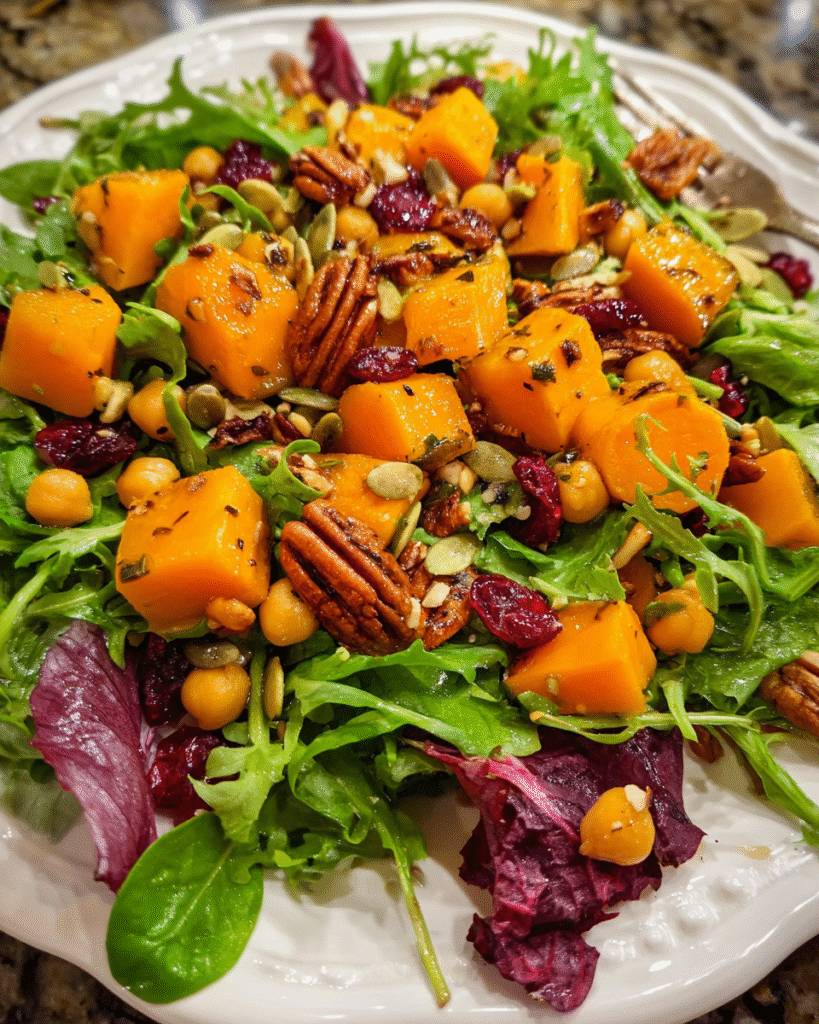
Once your squash and chickpeas are beautifully roasted and slightly cooled, it’s time to assemble your roasted butternut squash salad. In a large bowl, layer about six cups of mixed greens — arugula, baby spinach, and red leaf lettuce offer a nice mix of textures. Add the sliced green onions or red onion, then sprinkle in the pecans, dried cranberries, and pumpkin seeds. These elements provide crunch, sweetness, and nutty depth that complement the warm, earthy squash. Finally, fold in the roasted squash and chickpeas, being gentle to preserve the integrity of the greens and roasted components.
Dressing: ingredients, mixing and applying
The dressing ties every flavor together. In a small bowl or mason jar, combine the juice of one fresh orange, two tablespoons of apple cider vinegar, one tablespoon of maple syrup, one tablespoon of olive oil, and a pinch of salt and black pepper. Whisk or shake until emulsified. The result is a vibrant, slightly sweet dressing that contrasts beautifully with the savory roasted elements. Pour it evenly over the salad just before serving. Toss gently, using tongs or clean hands, to coat everything without bruising the greens. This final step transforms the salad into a harmonious, crave-worthy dish.
Serving suggestions and pairing with other recipes
Serve this roasted butternut squash salad as a hearty main or a festive side. It pairs beautifully with grilled proteins like chicken or tofu and makes a satisfying lunch when topped with grains like quinoa. For a perfect dinner pairing, explore a vibrant dish like this Grilled Chicken & Corn Salad or opt for a light, protein-packed option like Cottage Cheese Egg Salad. The versatility of this salad allows you to adapt it easily for guests, meal prep, or weeknight dinners, making it a go-to recipe for flavor and function.
Storing and Enjoying Leftovers of Roasted Butternut Squash Salad
How long is roasted butternut squash good for?
Once roasted, butternut squash will stay fresh in an airtight container in the fridge for about 3 to 5 days. For best results, cool it completely before storing. Its flavor actually deepens slightly after chilling, making it ideal for leftovers. If you’re prepping ingredients in advance, keep the roasted squash separate from the greens and dressing. This helps maintain each component’s texture and prevents wilting or sogginess — especially useful if you plan to enjoy the salad throughout the week.
How to store assembled salad for later
Storing a fully assembled roasted butternut squash salad requires a little planning. If you’ve already tossed everything together with the dressing, try to consume it within 1 to 2 days. For meal prepping, keep roasted squash, dressing, and greens in separate containers. This ensures the greens remain crisp and the dressing doesn’t overpower the other flavors. When you’re ready to eat, just combine and toss. Glass containers work best for storage, helping keep ingredients fresh and flavors intact without any chemical aftertaste.
Re-heating or repurposing roasted squash leftovers
Got leftover roasted squash? You can easily revive it in a hot skillet or air fryer for a few minutes to bring back its caramelized edges. Add it warm to a fresh batch of greens or repurpose it entirely — think grain bowls, tacos, or even stirred into a warm quinoa salad. Its sweet, nutty profile pairs well with roasted vegetables, grilled meats, and even eggs for a quick breakfast hash. This flexibility makes roasted butternut squash a smart batch-cook ingredient with endless uses.
Creative Variations of Roasted Butternut Squash Salad
Add-in options for flavor and nutrition
Roasted butternut squash salad is a versatile base you can build on. For added protein and fiber, consider mixing in cooked quinoa, farro, or brown rice — perfect for making the salad more filling. Swap chickpeas for black beans or grilled chicken if you’re not keeping it vegan. Nuts like walnuts or almonds offer a different crunch, while fresh apple slices or pomegranate seeds bring brightness and a touch of tartness. Adding crumbled goat cheese or feta transforms the flavor profile entirely, giving the dish a creamy, tangy lift that contrasts beautifully with the sweet squash.
Alternative dressings or seasoning themes
While the orange-maple vinaigrette is bright and balanced, you can experiment with other dressings to suit your mood or meal. A balsamic glaze adds richness, while a lemon-tahini dressing gives it a creamy, earthy depth. Warm cider vinaigrettes are another excellent fall pairing. Seasoning-wise, smoked paprika provides a bold flavor, but cinnamon, nutmeg, or cayenne can offer a sweet or spicy twist. These small changes let you reimagine the salad throughout the season without ever feeling repetitive.
Making it vegan, gluten-free, and meal-prep friendly
This salad is naturally vegan and gluten-free, which makes it ideal for most dietary needs. To keep it meal-prep friendly, roast a large batch of squash and chickpeas at the start of the week and store the greens, toppings, and dressing separately. This allows you to assemble a fresh salad whenever you’re ready — no soggy leaves or dulled flavors. Whether you’re serving a crowd or prepping for solo lunches, these simple adjustments make the salad easy to adapt without sacrificing quality or nutrition.
FAQS
How do you roast butternut squash for salads?
Roasting butternut squash for salads starts with peeling and cubing it into ½-inch to ¾-inch pieces. Toss the cubes with olive oil, salt, pepper, and optional spices like smoked paprika or cinnamon. Spread them in a single layer on a parchment-lined baking sheet and roast at 400°F for 20 to 25 minutes. Flip halfway through for even browning. When the edges are golden and a fork pierces the cubes easily, they’re ready for your salad.
How long is roasted butternut squash good for?
Roasted butternut squash stays good for 3 to 5 days when stored in an airtight container in the refrigerator. Make sure the squash has fully cooled before storing to preserve its texture and flavor. For best results, store the squash separately from salad greens and dressing to prevent sogginess.
How do I prepare butternut squash for roasting?
Choose a firm, unblemished butternut squash. Trim the ends, peel the skin, cut the squash in half lengthwise, and scoop out the seeds. Then cut the flesh into even cubes to ensure they roast consistently. Use a sharp knife and a stable cutting board for safety. Even-sized pieces roast evenly and yield the best texture for salads.
How to know if butternut squash is roasted?
You’ll know it’s roasted when the cubes are fork-tender and have caramelized edges. The color will deepen slightly, and the aroma will be sweet and nutty. Avoid over-roasting, which makes the squash too soft and mushy for salads. Ideally, each cube should hold its shape when tossed with greens.
Conclusion
Roasted butternut squash salad is more than a seasonal side — it’s a celebration of autumn’s best textures and flavors. From the caramelized cubes to the crunchy toppings and citrus-kissed dressing, every bite tells a story of warmth, nourishment, and simplicity. With easy prep, adaptable ingredients, and the ability to suit multiple diets, this salad is a recipe you’ll return to throughout the cooler months. Whether served as a vibrant main dish or a colorful companion on your table, it delivers satisfaction in every forkful. Embrace the process, customize freely, and let your kitchen evolve with each delicious bowl.
For more successful recipes, you can visit our Facebook page or our Pinterest account