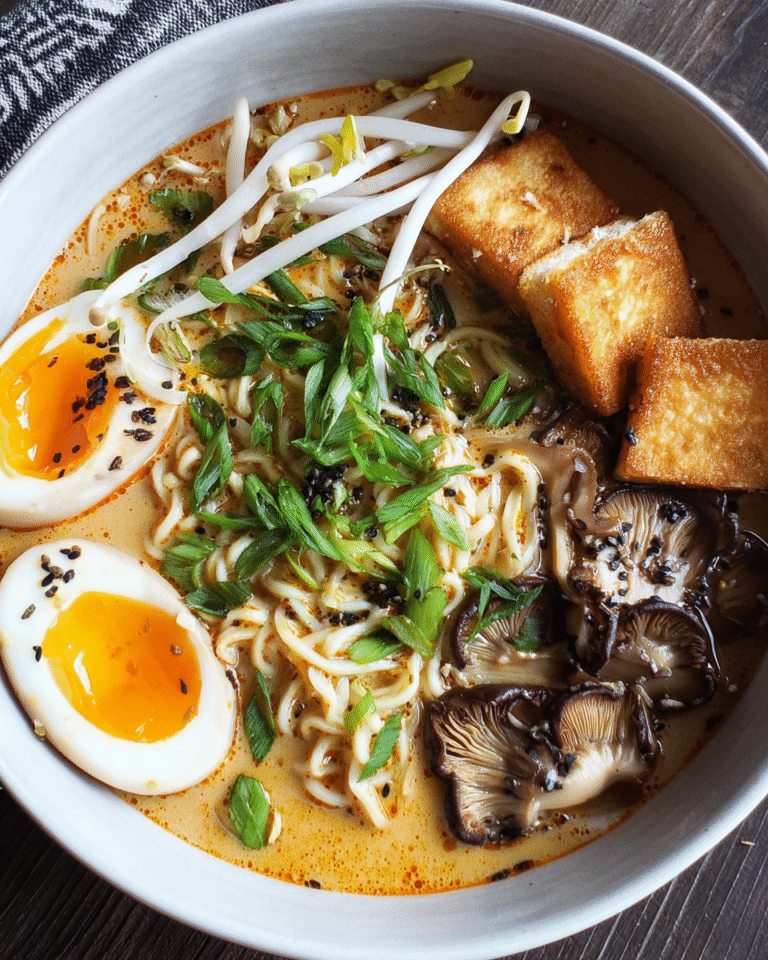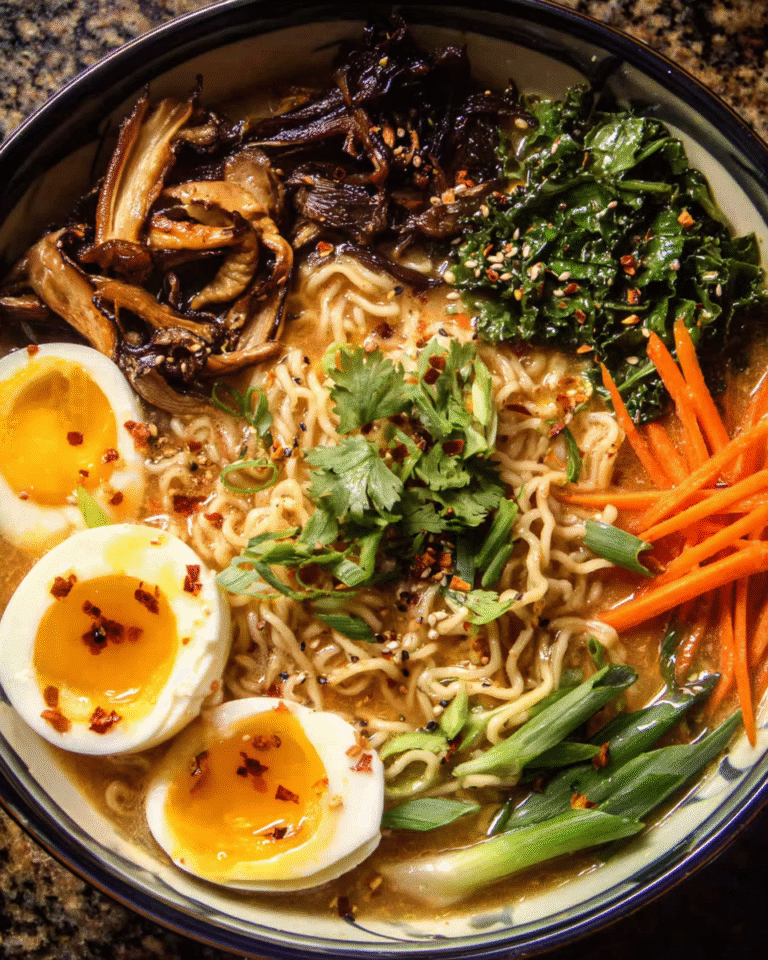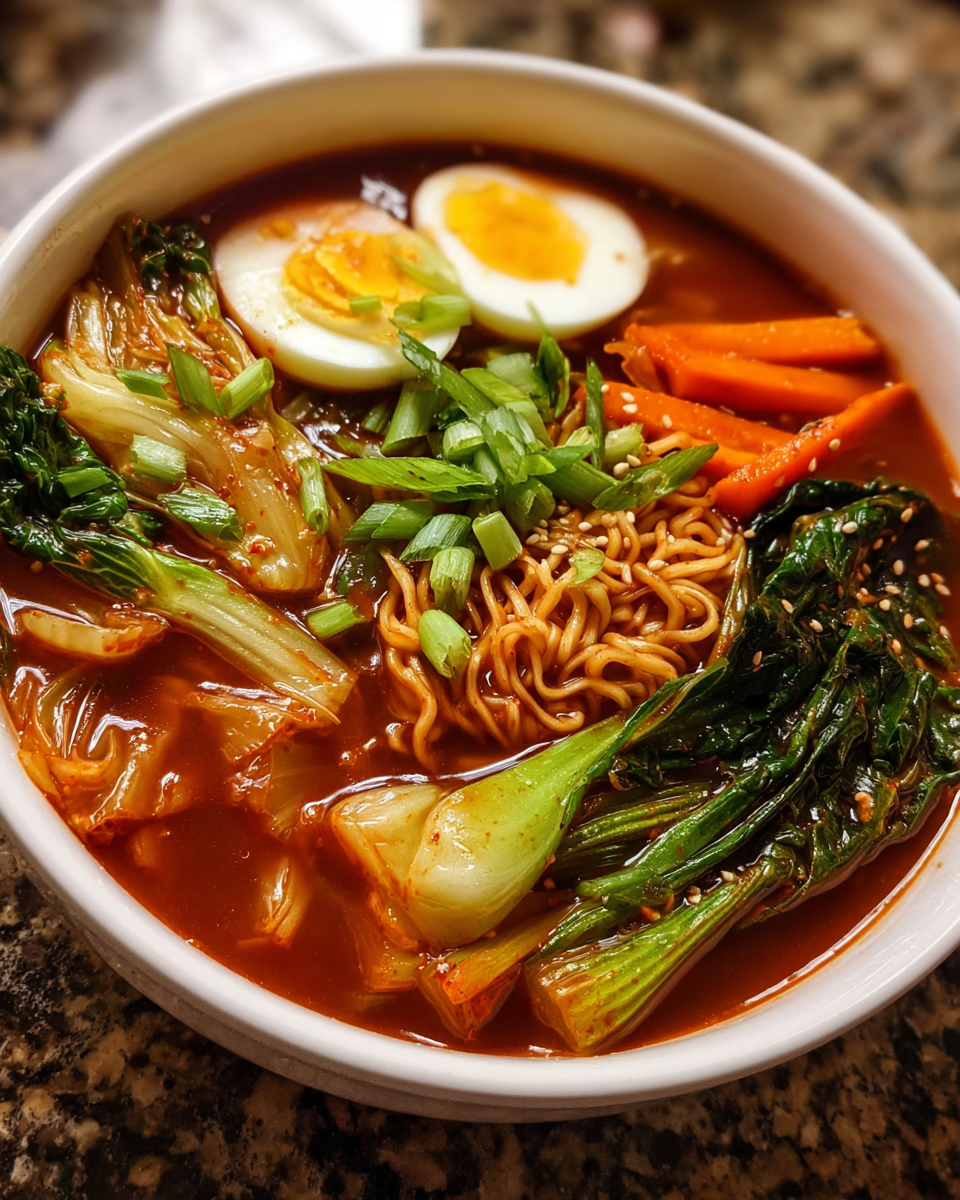
Spicy Korean Noodle Soup: Bold Comfort in Every Bite
Introduction
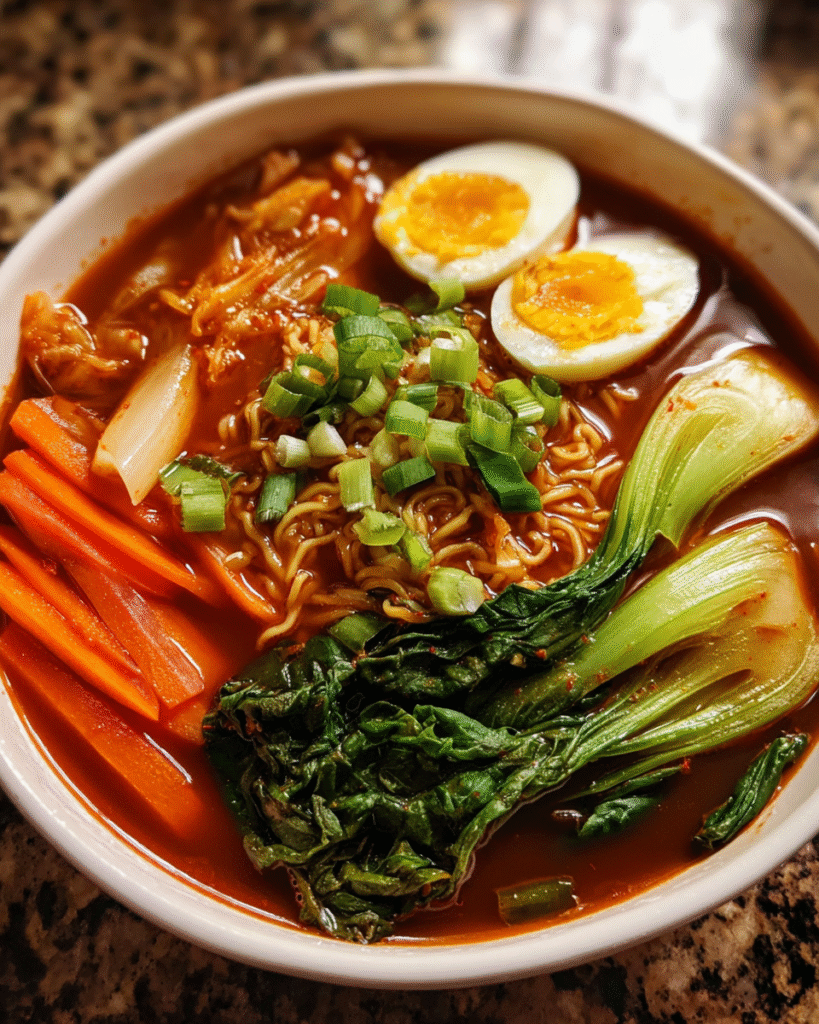
When the craving hits for something warm, bold, and deeply satisfying, Spicy Korean Noodle Soup is the answer. This dish isn’t just about heat—it’s about balance. The richness of gochujang, the tang of kimchi, and the soothing power of homemade broth combine to create a meal that comforts and energizes all at once. In this article, we’ll explore the roots of this popular Korean soup, its flavor layers, key ingredients, and how to bring it all together effortlessly in your own kitchen. Whether you’re new to Korean flavors or a longtime fan, this guide will inspire your next cooking adventure.
Print
Spicy Korean Noodle Soup: Bold Comfort in Every Bite
- Total Time: 20 minutes
- Yield: 2 servings
Description
- Spicy Korean Noodle Soup delivers bold flavor fast—discover the easy, crave-worthy recipe with kimchi, gochujang, and fresh noodles.
Ingredients
-
For the Spicy Broth:
-
4 cups low-sodium chicken broth (or vegetable broth)
-
2/3 cup cabbage kimchi
-
2 tablespoons kimchi juice
-
3 tablespoons gochujang (Korean chili paste)
-
2 tablespoons light soy sauce
-
2 teaspoons fish sauce (or substitute with additional soy sauce)
-
2 slices fresh ginger, about 1/3-inch thick
-
1 large garlic clove, smashed
Add-Ins:
-
7 ounces thin fresh egg noodles (or 3.5 ounces dried noodles)
-
4 stalks choi sum or similar Asian greens, stems and leaves separated and cut into 2.5-inch lengths
-
1 small carrot, peeled and julienned
-
2 1/2 teaspoons toasted sesame oil
-
1/4 cup thinly sliced green onions
-
Instructions
-
Prepare the Broth: In a medium saucepan, combine the chicken broth, kimchi, kimchi juice, gochujang, soy sauce, fish sauce, ginger slices, and smashed garlic. Bring to a simmer over medium-high heat. Reduce heat to maintain a gentle simmer and cook uncovered for 10 minutes.
-
Cook the Vegetables: Add the choi sum stems and carrot to the broth. Simmer for 2 minutes, then add the choi sum leaves and cook for 1 more minute. Stir in toasted sesame oil right before serving.
-
Cook the Noodles: While the broth simmers, cook the noodles according to package instructions. Drain and rinse briefly under cool water, then shake off excess moisture.
-
Assemble the Soup: Divide the noodles between two bowls. Remove the garlic and ginger from the broth, then ladle the hot broth and vegetables over the noodles. Top with sliced green onions and serve hot.
- Prep Time: 5 minutes
- Cook Time: 15 minutes
- Category: SOUPS
- Method: Stovetop
- Cuisine: Korean
Table of Contents
Discovering Spicy Korean Noodle Soup
A Flavorful Korean Tradition
Spicy Korean Noodle Soup, often called kimchi jjigae guksu or ramyeon, reflects Korea’s rich culinary legacy. It’s not just a spicy soup—it’s an evolving dish shaped by personal taste and seasonal availability. From Seoul to small towns, households have their version, sometimes fiery and complex, other times simple and soothing. The base typically starts with anchovy or chicken broth, followed by fermented elements like kimchi, then intensified with gochujang. These components create a broth that’s bold, umami-packed, and tangy.
Key Elements That Define the Dish
The beauty of this soup lies in its layers. Kimchi brings fermentation and tang, while gochujang delivers a deep, smoky heat. Add-ins like bok choy or choi sum, carrots, and garlic deepen the aroma and taste. The noodles—whether fresh egg noodles or wheat-based ramyeon—soak up the flavors and provide comfort in every slurp. This contrast between spicy, savory, and subtly sweet is what makes Spicy Korean Noodle Soup such a standout.
A Personal Twist on a Classic
Growing up in New Orleans, I never expected to fall for Korean soups. But the moment I tasted a bowl of spicy broth with kimchi and chewy noodles, I was hooked. I’ve since crafted my own version—rich but quick, spicy yet balanced. It’s now a weeknight favorite alongside classics like Instant Pot Chicken Noodle Soup and Wonton Soup. This dish bridges cultures and warms the soul—just like the meals I grew up with.
The Ingredients That Create Boldness
The Power of Gochujang and Kimchi
No ingredient embodies Korean heat like gochujang. This fermented chili paste isn’t just spicy—it’s rich, slightly sweet, and full of depth. When it hits a simmering broth, it transforms the base into a bold, crave-worthy liquid. Then there’s kimchi, Korea’s beloved fermented cabbage. Its tang and crunch uplift the soup’s texture and offer probiotics for digestive health. Together, gochujang and kimchi become the bold heart of this Spicy Korean Noodle Soup.
Supporting Cast: Soy Sauce, Garlic, Ginger
While the stars shine brightly, supporting ingredients ensure a flavorful balance. Light soy sauce adds saltiness without overwhelming the dish. Garlic, when smashed and simmered, offers warmth and aroma that complements the chili paste. Meanwhile, fresh ginger slices infuse the broth with a soft heat and herbal note, gently cutting through the richness. These ingredients work in synergy, layering the broth with complexity while keeping it harmonious.
Vegetables and Noodles: Texture and Comfort
Vegetables like choi sum—a leafy green similar to bok choy—bring freshness and crunch. Julienned carrots add subtle sweetness and color. These additions not only enhance nutrition but also balance the spiciness. And then there are the noodles. You can use thin egg noodles for a silky bite or dried noodles if that’s what you have on hand. Once cooked, they absorb the broth and become carriers of spice, delivering flavor in every mouthful. These elements ensure that every bowl of spicy Korean noodle soup satisfies both the palate and the soul.
Cooking Spicy Korean Noodle Soup at Home
Preparing a Flavor-Infused Broth
Crafting the broth is where the magic happens. Start by combining chicken broth, kimchi, kimchi juice, gochujang, soy sauce, fish sauce, ginger slices, and smashed garlic in a medium saucepan. Bring this to a simmer, allowing the ingredients to blend into a rich, fiery base. Let it bubble gently for about ten minutes uncovered. This step intensifies the soup’s flavor profile, letting the boldness of gochujang and the fermented tang of kimchi shine. The aroma alone hints at the depth of taste to come.
Timing the Vegetables Right
Vegetables need precision for the perfect bite. Once the broth is rich and aromatic, drop in the choi sum stems and carrots. They’ll simmer for just a couple of minutes to soften while retaining texture. Add the choi sum leaves last, cooking them just long enough to wilt. Right before serving, stir in toasted sesame oil, which adds a nutty, silky layer that smooths out the spice. This step-by-step approach ensures a balance between cooked-through comfort and fresh crunch.
Assembling Your Bowl Beautifully
To serve, cook your noodles separately so they don’t get too soft in the broth. Once they’re drained and lightly rinsed, divide them between your bowls. Remove the garlic and ginger from the simmered broth, then pour the hot, spicy broth with vegetables over the noodles. Finish with a sprinkle of sliced green onions for a sharp, clean contrast. Each bowl becomes a carefully constructed experience—hot, bold, and deeply satisfying. Whether for dinner or a quick lunch, this spicy Korean noodle soup is easy to master and unforgettable in taste.
Why Spicy Korean Noodle Soup Belongs in Your Rotation
A Quick Meal with Deep Flavor
One of the most compelling reasons to make Spicy Korean Noodle Soup is how quickly it comes together. In just 20 minutes, you can go from prep to table without sacrificing any depth. Thanks to bold ingredients like gochujang and kimchi, the broth tastes like it’s been simmering for hours. This makes it perfect for busy weeknights when you need something fast but crave complexity. The minimal prep time combined with maximum flavor is what sets this dish apart.
A Comforting Bowl for Any Season
Though often associated with colder months, this soup transcends seasons. In winter, its heat is invigorating and warming. During spring or fall, the light yet flavorful broth makes it equally satisfying. Even on cooler summer nights, the balance of spicy, tangy, and umami elements feels cleansing and refreshing. It’s also easily adaptable—vegetarian, dairy-free, or protein-packed depending on your needs. With every bowl, this Spicy Korean Noodle Soup proves itself a year-round staple for any home cook.
FAQS
What is Korean spicy noodle soup called?
Korean spicy noodle soup is often called jjambbong or kimchi jjigae guksu, depending on the ingredients and regional variations. Both are packed with bold flavors and typically use gochujang and kimchi as a flavor base.
What is a spicy Korean soup called?
A general term for spicy Korean soups is jjigae (stew) or guk (soup). For example, kimchi jjigae is a common spicy kimchi stew, while yukgaejang is a beef-based spicy soup.
Is Korean noodle soup spicy?
Many Korean noodle soups are spicy, but not all. Dishes like jjambbong and kimchi noodle soup tend to be fiery, while others, such as kal-guksu, are milder. It depends on the broth base and chili content.
What is guksi in Korean?
Guksi (국시) is a regional dialect term for noodles, particularly used in the Gyeongsang province. It refers broadly to noodle dishes and may include spicy or mild preparations depending on the region.
Conclusion
Spicy Korean Noodle Soup is more than just a comforting dish—it’s a journey through Korea’s culinary heart. With bold flavors from gochujang, tang from fermented kimchi, and fresh greens to balance it all out, this soup is both satisfying and energizing. Whether you’re exploring Korean cuisine for the first time or adding to your favorite meals list, this dish deserves a spot on your weekly menu. It’s fast, versatile, and absolutely unforgettable.
For more successful recipes, you can visit our Facebook page or our Pinterest account