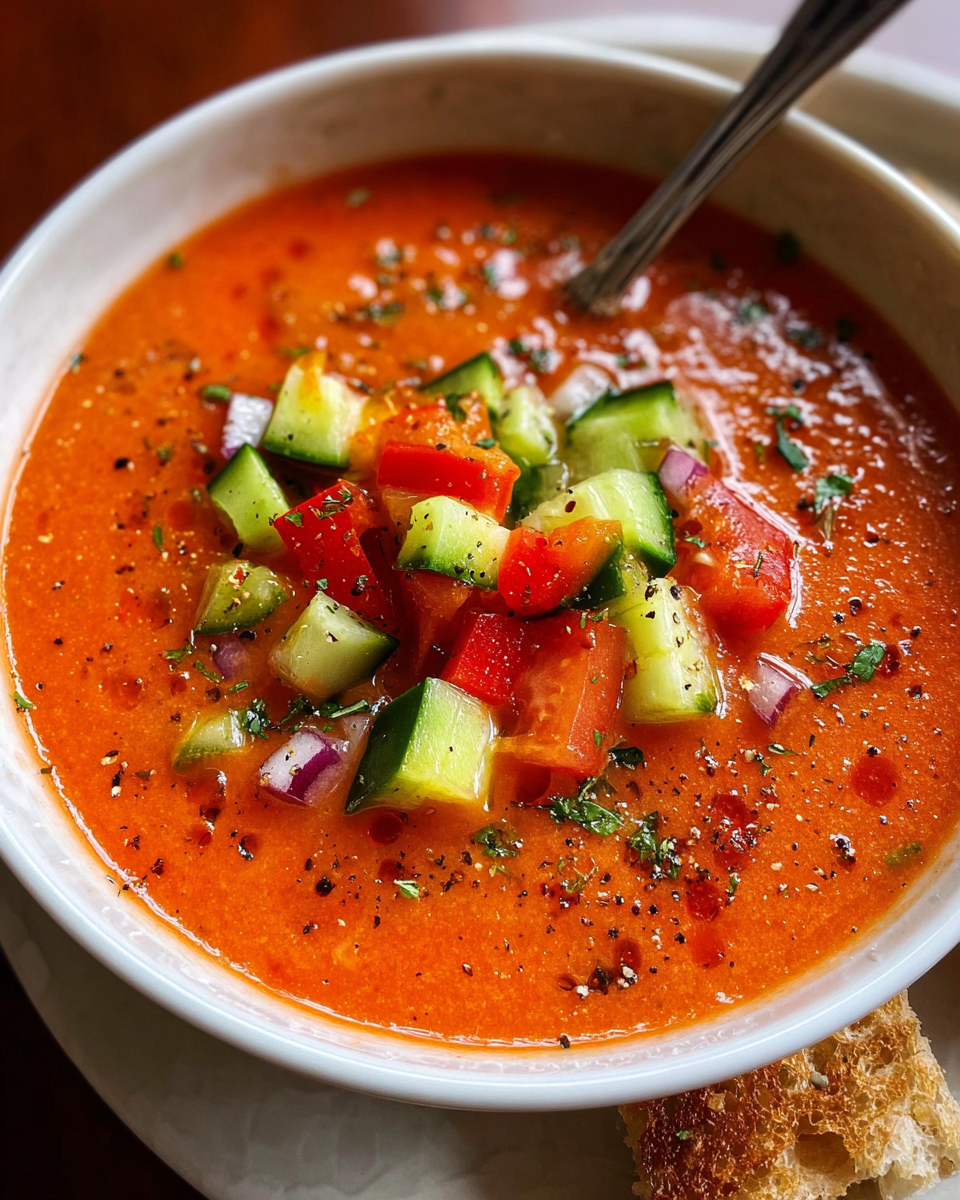
Gazpacho – Refreshing Spanish Cold Soup for Summer
Introduction
Gazpacho is more than just a cold soup — it’s the taste of summer in a bowl. Packed with ripe tomatoes, crisp cucumbers, and zesty olive oil, this iconic Spanish dish is as refreshing as it is flavorful. In this article, we explore what gazpacho truly is, its vibrant ingredients, how to serve it properly, and offer a complete, foolproof recipe. Whether you’re discovering gazpacho for the first time or elevating your technique, you’ll find all you need to master this timeless recipe. From tradition to modern twists, gazpacho proves that chilled vegetables can create something truly remarkable.
Gazpacho – Refreshing Spanish Cold Soup for Summer
- Total Time: 3 hours 15 minutes
- Yield: 4 servings
Description
- Gazpacho: a chilled Spanish vegetable soup bursting with flavor. Discover ingredients, recipe, tips, and regional twists.
Ingredients
-
-
2 pounds ripe tomatoes (about 7), cored and cut into wedges
-
1 cucumber (about 8 inches long), peeled and diced
-
1 red bell pepper, diced
-
2 garlic cloves, chopped
-
1/4 cup finely diced red onion
-
1/4 cup extra virgin olive oil, plus more for drizzling
-
1 1/2 tablespoons white vinegar
-
3/4 teaspoon kosher salt
-
1/2 teaspoon black pepper
-
Serving Suggestions:
-
-
Crusty bread on the side (optional)
-
Diced cucumber for garnish (optional)
-
Instructions
-
Combine and Marinate: In a large bowl, mix tomatoes, cucumber, bell pepper, garlic, red onion, olive oil, vinegar, salt, and pepper. Cover and refrigerate to marinate for at least 3 hours, ideally up to 12 hours for maximum flavor.
-
Blend: Transfer the marinated mixture to a blender and puree until smooth. For a silkier texture, strain through a fine mesh sieve and discard solids if desired.
-
Chill and Serve: Let the blended soup rest for about 15 minutes to allow air bubbles to settle. Stir well, then serve in bowls.
-
Garnish: Drizzle with a little olive oil and top with diced cucumber if using. Enjoy with crusty bread on the side.
- Prep Time: 15 minutes
- Cook Time: 00 minutes
- Category: SOUPS
- Method: Blended, Chilled
- Cuisine: Spanish
Table of Contents
What is Gazpacho?
Gazpacho is Spain’s chilled answer to summer heat. It’s a raw vegetable soup traditionally made with ripe tomatoes, cucumbers, bell peppers, garlic, olive oil, and vinegar. This vibrant blend captures the essence of Mediterranean freshness and simplicity in every spoonful.
Gazpacho’s Origins and History
The roots of gazpacho stretch back centuries to Andalusia in southern Spain. Initially, it was a humble mix of bread, garlic, olive oil, and vinegar, pounded into a paste and diluted with water. Tomatoes, introduced after the Columbian exchange, were later added — transforming it into the iconic red version we know today. Over time, gazpacho evolved from a peasant dish into a beloved staple across Spanish homes and restaurants.
Classic Definition of Gazpacho
While there are many modern spins on gazpacho, the authentic version remains simple and rustic. It requires no cooking, relying entirely on fresh, raw ingredients. The result is a silky-smooth soup with a tangy bite and deep umami from ripe vegetables. It’s served ice-cold, often as a starter or light lunch, particularly during the hottest months. The focus keyword gazpacho reflects more than just the dish — it signifies a cultural expression of seasonal eating and regional pride.
Why Gazpacho Became So Popular
Part of gazpacho’s enduring popularity lies in its ease and versatility. It’s naturally vegan, requires minimal effort, and uses common pantry staples. As people seek lighter, plant-forward meals, gazpacho has found new fans around the world. With climate-conscious cooking and summer simplicity in mind, this chilled soup continues to win hearts. It’s also a perfect prep-ahead meal — just like our pearl barley soup for colder months, but ideal for sun-soaked days
Key Ingredients for Gazpacho
The soul of gazpacho lies in its ingredients. Since the soup isn’t cooked, every component must shine. Quality and freshness define its taste — especially for the tomatoes, which form its base. Here’s a look at the essential elements that give gazpacho its distinct character.
Core Vegetables – Tomatoes, Cucumber, Bell Pepper, Onion
Tomatoes are the heart of any authentic gazpacho. Opt for ripe, juicy varieties like Roma or vine-ripened — they deliver depth and richness. Cucumber adds coolness and hydration, while red bell pepper lends a gentle sweetness. A touch of red onion balances the profile with subtle sharpness. These vegetables form the vibrant canvas of the dish, creating both color and texture. To preserve their full integrity, always use fresh, raw produce.
Seasonings – Garlic, Olive Oil, Vinegar, Salt and Pepper
Simple yet essential, the seasoning ingredients bring gazpacho to life. Garlic delivers a pungent edge — not overpowering but bold enough to cut through the sweetness of the tomatoes. Extra virgin olive oil provides silkiness and richness, while white vinegar (or traditional sherry vinegar) gives the soup its signature tang. Proper seasoning with salt and freshly ground black pepper rounds out the taste, elevating the natural flavors of the vegetables. These are pantry staples that make a remarkable difference when combined right.
Optional Additions – Bread or Extra Veg for Body
While purists may skip it, some gazpacho recipes include day-old bread soaked in water to add thickness. It helps emulsify the mixture when blended, making it smoother and more filling. Others may prefer to skip bread for a gluten-free or lighter version, opting to blend in extra vegetables instead. Like in our cold corn soup, it’s the thoughtful layering of simple ingredients that creates depth and elegance.
Our Comprehensive Gazpacho Recipe
Mastering gazpacho starts with precision — and a little patience. This method highlights how to create the most flavorful, silky-smooth gazpacho using only fresh, accessible ingredients. It’s a no-cook recipe, perfect for warm days when you want maximum flavor with minimal effort.
Ingredients List
This gazpacho recipe celebrates simplicity. You’ll need:
– 2 pounds ripe tomatoes, cored and cut into wedges
– 1 cucumber (8 inches), peeled and diced
– 1 red bell pepper, diced
– 2 garlic cloves, chopped
– 1/4 cup finely diced red onion
– 1/4 cup extra virgin olive oil (plus more for drizzling)
– 1 1/2 tablespoons white vinegar
– 3/4 teaspoon kosher salt
– 1/2 teaspoon black pepper
Optional for serving: diced cucumber and crusty bread
These components work together to create a refreshing, naturally creamy soup that embodies the best of Mediterranean cuisine.
Step-by-Step Instructions
- Combine and Marinate: In a large bowl, mix all vegetables with olive oil, vinegar, salt, and pepper. Cover and refrigerate for at least 3 hours (ideally 12) to allow flavors to meld.
- Blend Until Smooth: Transfer the mixture to a blender. Puree until creamy. If desired, strain through a fine mesh sieve for ultra-smooth texture.
- Chill and Serve: Let the soup rest 15 minutes after blending to eliminate air bubbles. Stir before serving.
Tips for Perfect Texture and Flavor
Use ripe, room-temperature tomatoes before chilling. The longer you marinate the mix, the deeper the flavor. For a rustic version, skip straining. For elegance, sieve it. Use high-quality olive oil and vinegar — small upgrades make big differences. Always serve very cold, ideally in chilled bowls.
How to Serve and Eat Gazpacho
Once blended and chilled, gazpacho becomes more than a dish — it becomes an experience. Presentation, temperature, and pairings all matter. Here’s how to serve gazpacho the way it was meant to be enjoyed.
Serving Suggestions and Garnish
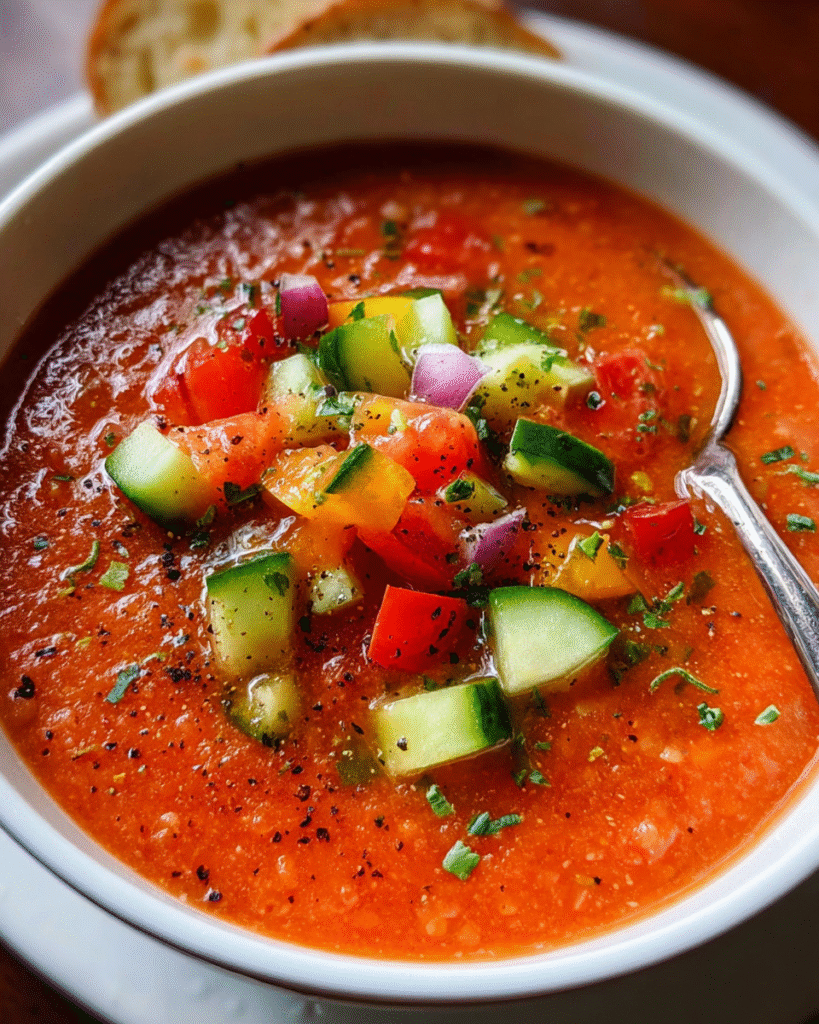
Serve gazpacho ice-cold. A 15-minute rest in the fridge after blending helps settle the texture and flavor. Pour it into shallow bowls for traditional presentation or into glasses for a modern, drinkable take. Top each portion with a drizzle of extra virgin olive oil and a sprinkle of diced cucumber for added crunch and freshness. A sprig of fresh basil or a few microgreens can add visual appeal without overpowering the taste.
Crusty bread on the side is optional but highly recommended. Its texture contrasts beautifully with the velvety soup and can double as a vessel for scooping. If you’re looking for a light yet satisfying starter, gazpacho is a stunning choice.
Presentation Styles – Bowl vs. Glass, Starter vs. Main
In Spain, gazpacho is often served in wide soup bowls or tumblers, depending on the occasion. In formal settings, bowls emphasize elegance. For casual meals or garden parties, a glass presentation is fun and functional. As a starter, serve smaller portions to awaken the palate. To make it a meal, double the quantity and pair it with protein-rich toppings like croutons, chickpeas, or chopped avocado.
Eating Gazpacho the Spanish Way
Gazpacho isn’t just food — it’s culture. In Andalusia, locals often drink it straight from a glass, skipping spoons altogether. It’s traditionally enjoyed during the hottest part of the day, usually as a light lunch or early dinner. Unlike heavier soups, gazpacho is never heated and rarely stored beyond a day. Freshness is key to capturing its essence.
Variations and Ingredient Substitutions for Gazpacho
Gazpacho’s beauty lies in its adaptability. While the traditional version is timeless, creative twists can keep it exciting and tailor it to personal tastes or dietary needs. Let’s explore how to evolve this classic dish without compromising its spirit.
Regional and Modern Twists
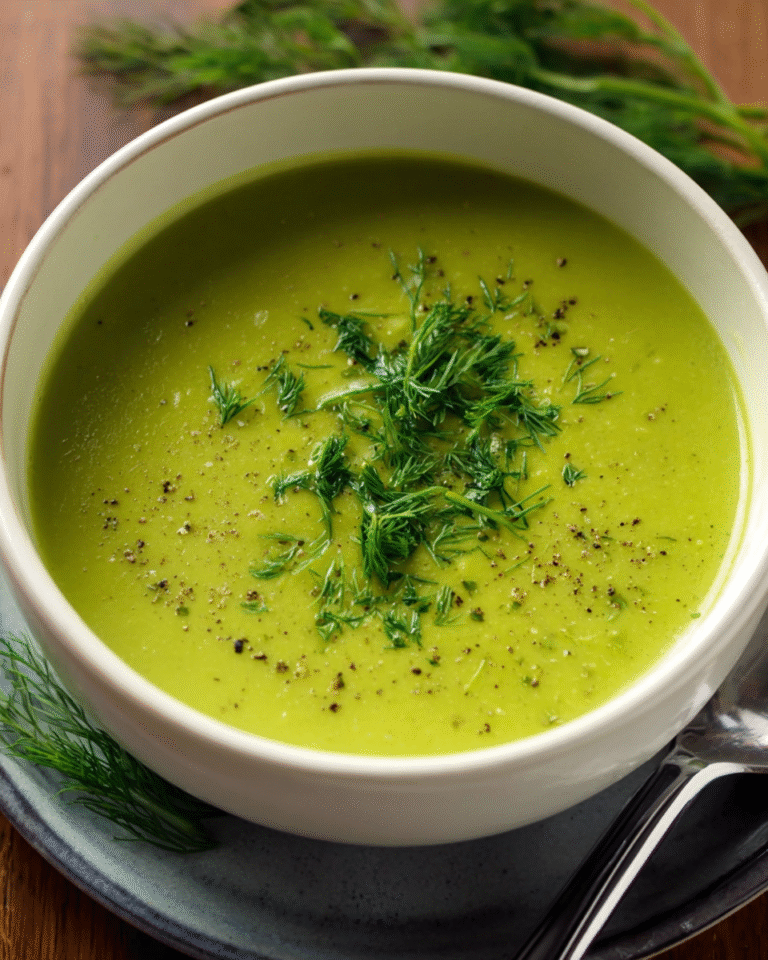
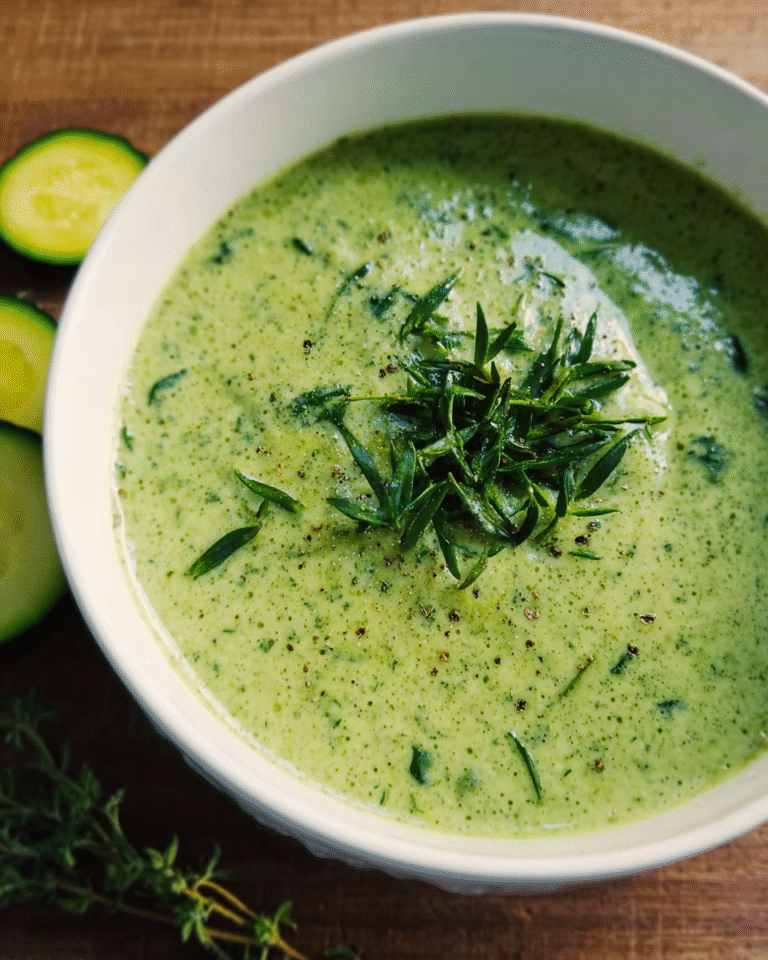
Across Spain, you’ll find localized versions of gazpacho that reflect regional ingredients. In some areas, green gazpacho replaces tomatoes with spinach, avocado, or herbs for a more vegetal profile. Watermelon gazpacho, gaining popularity worldwide, uses juicy watermelon to complement or replace tomatoes, adding natural sweetness and a refreshing twist.
Salmorejo, a richer cousin from Córdoba, uses more bread and omits cucumber and pepper, resulting in a creamier, pink-hued soup. These versions maintain the chilled, raw essence of gazpacho while offering unique flavor expressions.
Dietary Modifications
Gazpacho is naturally vegan and dairy-free, making it an inclusive option. For gluten-free diets, skip the bread thickener — the vegetables alone can yield a creamy texture. Want to reduce sodium? Use fewer salty condiments and lean on fresh herbs like parsley or basil. To intensify flavor without added fat, try roasted garlic or infused vinegars.
Because it’s made from whole vegetables, gazpacho is also nutrient-dense and hydrating — a perfect summer fuel. Like our cold corn soup, it balances comfort and health in a bowl, supporting a conscious, plant-forward lifestyle.
Ingredient Swaps Without Losing Essence
If red bell peppers aren’t available, orange or yellow ones work well. Sherry vinegar is traditional, but white wine vinegar or apple cider vinegar offer similar brightness. Shallots or scallions can substitute red onion for a milder bite. For an extra layer of flavor, add a pinch of smoked paprika or a splash of lemon juice.
These swaps allow you to customize your gazpacho while keeping its identity intact.
FAQS
Quels sont les ingrédients du gazpacho ?
Les ingrédients classiques du gazpacho sont les tomates mûres, le concombre, le poivron rouge, l’ail, l’oignon rouge, l’huile d’olive extra vierge, le vinaigre (de vin blanc ou de Jerez), le sel et le poivre. Certaines recettes incluent du pain rassis pour épaissir la soupe, mais ce n’est pas obligatoire. Chaque ingrédient doit être frais et cru pour maximiser la saveur.
Qu’est-ce qu’un gaspacho ?
Un gaspacho est une soupe froide originaire d’Andalousie, au sud de l’Espagne. Elle est composée de légumes crus mixés, principalement à base de tomates, et assaisonnée d’huile d’olive, de vinaigre, de sel et de poivre. C’est un plat végétalien par nature, très populaire en été pour sa fraîcheur et sa simplicité. Le terme “gaspacho” est simplement une variante orthographique du mot “gazpacho”.
Comment manger un gazpacho ?
Le gazpacho se mange froid, parfois très froid. Il peut être servi dans un bol avec une cuillère ou dans un verre à boire comme une boisson nutritive. On peut l’accompagner de pain croustillant ou le garnir de dés de concombre, d’un filet d’huile d’olive, ou même d’herbes fraîches. Il est souvent servi en entrée, mais peut également constituer un repas léger à lui seul.
Quels sont les ingrédients du gazpacho en espagnol ?
Les ingrédients en espagnol sont : tomates maduras, pepino, pimiento rojo, ajo, cebolla roja, aceite de oliva virgen extra, vinagre (de vino blanco o de Jerez), sal, pimienta y pan (opcional). Ce sont ces éléments qui composent le cœur du gazpacho andaluz traditionnel, préparé sans cuisson pour conserver toute la fraîcheur des légumes.
Conclusion
Gazpacho is a timeless dish that turns simple, raw ingredients into a refreshing and elegant experience. Its origins may be humble, but its flavor is anything but. Whether you stick to the traditional Andalusian style or explore regional and modern twists, gazpacho is endlessly adaptable. It’s a no-cook, nutrient-rich recipe that works beautifully as a light meal, an appetizer, or even a drinkable snack on the hottest days.
We hope this guide helped you discover everything you need to know about making, serving, and enjoying gazpacho. Bring it into your kitchen this summer — and taste just how powerful simplicity can be.
For more successful recipes, you can visit our Facebook page or our Pinterest account