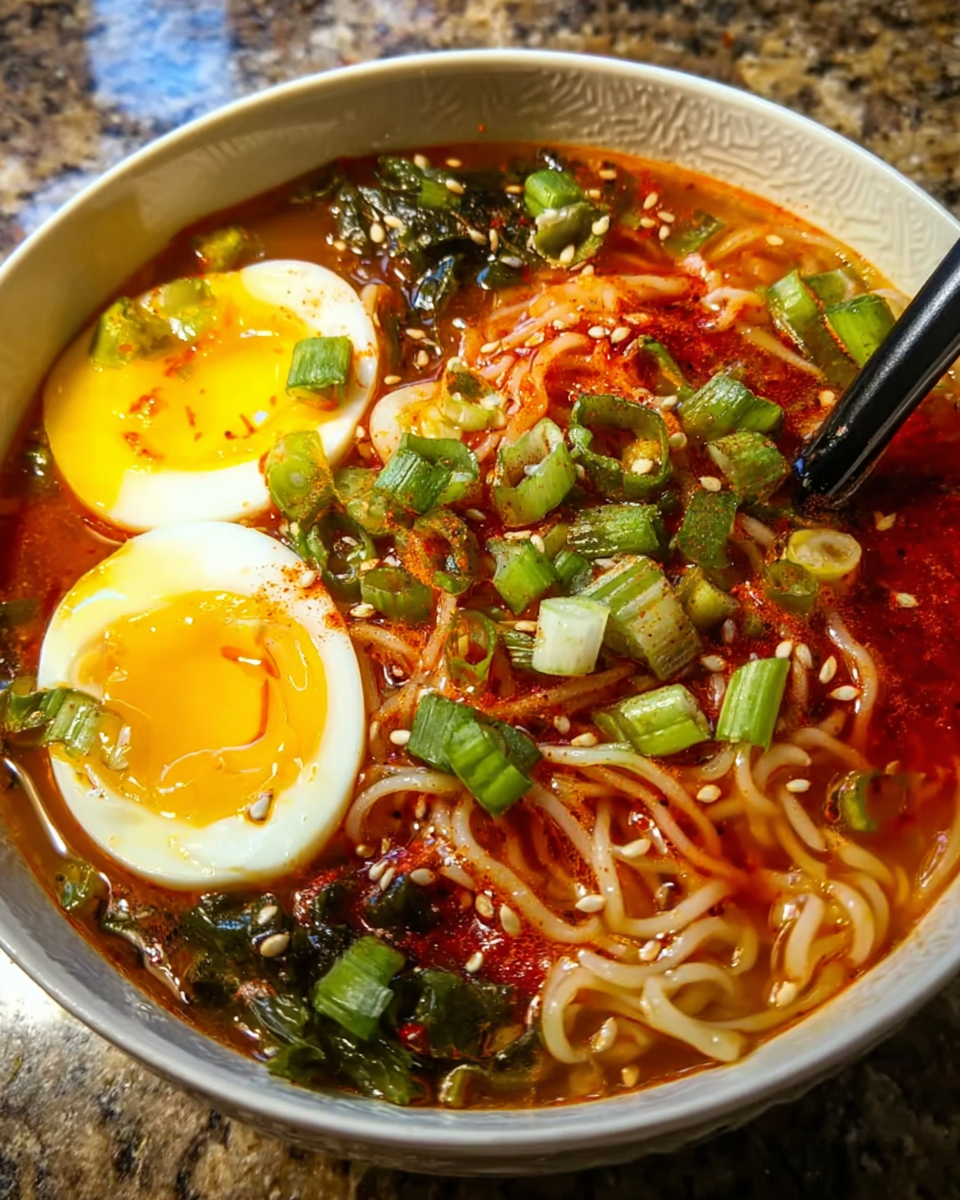
Spicy Gochujang Noodle Soup: A Bold, Comforting Bowl Made in Minutes
Creating a deeply flavorful meal in a short amount of time is one of the best parts of modern home cooking, and this Spicy Gochujang Noodle Soup brings that promise to life. Built on aromatic chili paste, warm broth, and customizable toppings, this dish delivers heat, richness, and comfort without requiring hours on the stove. Within ten minutes, you can enjoy a vibrant bowl layered with spicy oil, garlic, umami sauces, and soft noodles—all balanced in a way that feels both energizing and soothing.
Print
Spicy Gochujang Noodle Soup: A Bold, Comforting Bowl Made in Minutes
- Total Time: 10 minutes
- Yield: 1 serving
- Diet: Vegetarian
Description
A bold, fast and deeply flavorful Korean-inspired noodle soup made with chili paste, garlic, hot oil, and a savory broth—finished with an egg and fresh green onion.
Ingredients
1 garlic clove, finely minced or grated
1 green onion, chopped (white and green parts separated)
1 tablespoon gochujang (Korean chili paste)
1 teaspoon sugar
2 tablespoons vegetarian oyster-style sauce
1/2 tablespoon low-sodium soy sauce
1/2 tablespoon rice vinegar
1.5 cups vegetable broth
1 serving of cooked noodles (any kind)
1 soft- or hard-boiled egg
Sesame seeds (optional)
Chili oil (optional)
Instructions
1. Cook the noodles according to package instructions, then drain and set aside.
2. In a heat-resistant bowl, combine the minced garlic, white part of the green onion, and sugar.
3. Heat a few tablespoons of neutral oil in a pan over high heat until it just starts to smoke.
4. Immediately pour the hot oil over the garlic mixture in the bowl.
5. Stir in the gochujang, vegetarian oyster-style sauce, soy sauce, and rice vinegar.
6. Pour the hot vegetable broth into the bowl and mix well.
7. Add the cooked noodles to the bowl.
8. Top with the egg, green parts of the green onion, sesame seeds, and chili oil if desired.
9. Serve hot and enjoy!
Notes
Adjust spice by increasing or reducing chili oil. For extra richness, add mushrooms or tofu. Store noodles separately to maintain texture.
- Prep Time: 3 minutes
- Cook Time: 7 minutes
- Category: Soups
- Method: Stovetop
- Cuisine: Korean-inspired
Understanding Spicy Gochujang Noodle Soup & Its Flavor Balance
The characteristics that define this bold Korean-inspired bowl
A well-crafted bowl of Spicy Gochujang Noodle Soup stands out for its harmony of heat, sweetness, and savoriness. Gochujang forms the backbone of the broth, giving it body and color while also contributing a gentle fermented complexity. The warm oil poured over garlic and green onion opens the aromatics, creating a toasty base that instantly deepens the flavor profile.
Key elements that create the memorable taste
This dish brings together a concise list of ingredients that work in synergy. Vegetable broth supports the chili paste, while soy sauce and vegetarian oyster-style sauce provide roundness. Rice vinegar introduces acidity that lifts the entire bowl. Even a small amount of sugar helps everything meld, giving the broth its signature balance.
How aromatics and heat come together
The technique of heating neutral oil until it reaches a near-smoke point and then pouring it over the garlic mixture transforms raw ingredients into a fragrant base. This step is essential, infusing the broth with both warmth and savoriness. It’s one of the reasons this soup tastes like it simmered far longer than it really did.
How to Prepare Spicy Gochujang Noodle Soup at Home
Choosing noodles for your ideal texture
Any style of noodle works, but certain types complement the broth especially well. Wheat-based strands become delightfully silky, while udon provides a comforting chew similar to what you might find in a classic udon gochujang soup. If you prefer lighter options, rice noodles make a great alternative.
Building the broth with depth and speed
The broth comes together directly in the serving bowl, eliminating the need for extra cookware. After the hot oil blooms the garlic, stir in gochujang, vegetarian oyster-style sauce, soy sauce, and vinegar until the paste dissolves. Once the vegetable broth is poured in, everything blends seamlessly into a cohesive base.
Ensuring consistent seasoning
Because chili paste varies in heat and salt content across brands, taste as you go. Add an extra splash of broth if you need dilution or increase the chili oil drizzle for a stronger kick. This flexibility ensures the soup suits both spice lovers and those seeking mild warmth.
Cooking Techniques to Improve Your Final Bowl
Using hot-oil infusion to elevate flavor
Heating the oil until just smoking draws out depth from the aromatics. When poured over the garlic-onion mixture, it sizzles immediately, creating the first layer of richness. This technique is borrowed from multiple Asian culinary traditions and works beautifully in a spicy broth.
Incorporating chili paste correctly
Gochujang is thick and must be loosened before blending fully with broth. Stirring it into warm aromatics helps it dissolve evenly, preventing clumping and ensuring the flavor disperses throughout the soup. This step also tempers the paste, softening its sharpness.
Maintaining balance in seasoning adjustments
If the broth leans too salty, a bit more sugar or broth solves the issue. If it needs brightness, add a few extra drops of vinegar. These minor adjustments ensure your soup retains depth without overwhelming your palate.
Customizing Your Spicy Gochujang Noodle Soup
Adding protein for heartiness
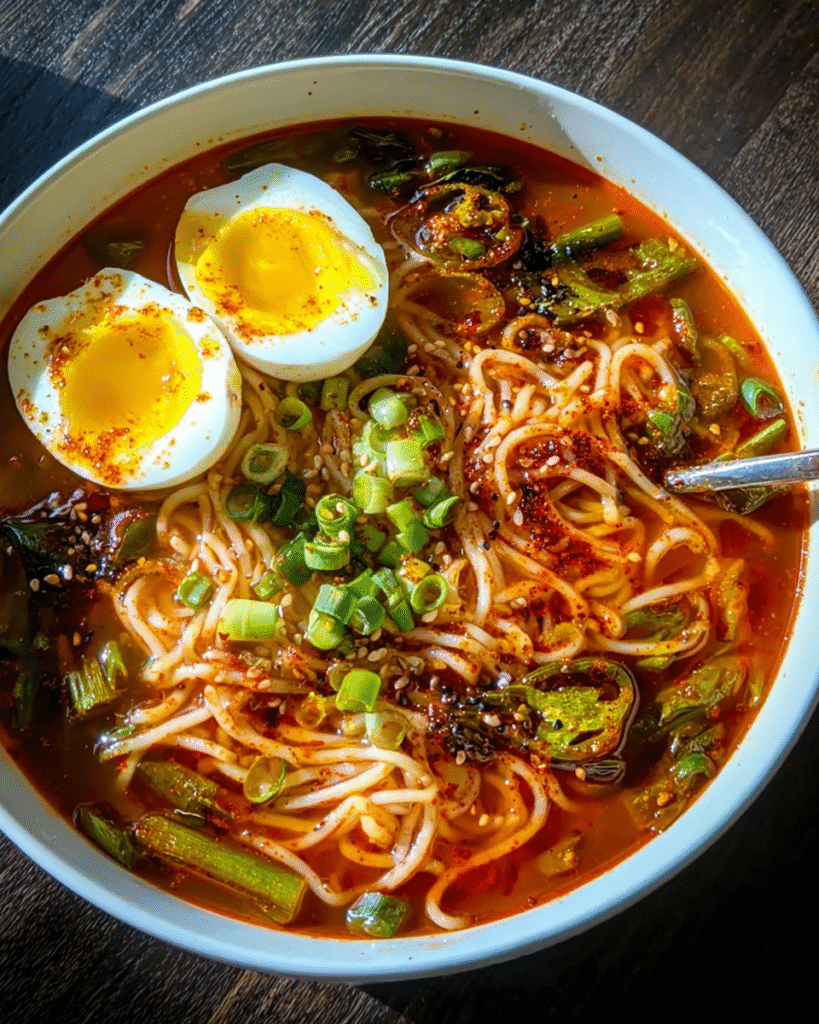
Boiled eggs remain the most popular topping, providing creaminess that contrasts with the spicy broth. For a more filling version, consider tofu, shredded chicken, or seafood. Each option enhances the dish without overshadowing the broth’s star ingredients.
Incorporating vegetables for nutrition
Mushrooms, bok choy, spinach, cabbage, or carrots work beautifully here. They introduce crunch, color, and added flavor. If you enjoy roasted vegetables, consider pairing this dish with something like the caramelized sweetness of this parsnip and apple soup to build a complete meal.
Adjusting heat levels
Adding more chili oil intensifies the spice, while reducing gochujang creates a lighter soup gochujang variation. This adaptability makes the dish approachable for households with mixed spice preferences.
Serving Ideas & Enhancements
Perfect garnishes for added dimension
Green onions offer sharp freshness, while sesame seeds add nuttiness. Chili oil introduces glossy richness, and a soft-boiled egg creates creaminess that softens each bite.
Ideal side dishes
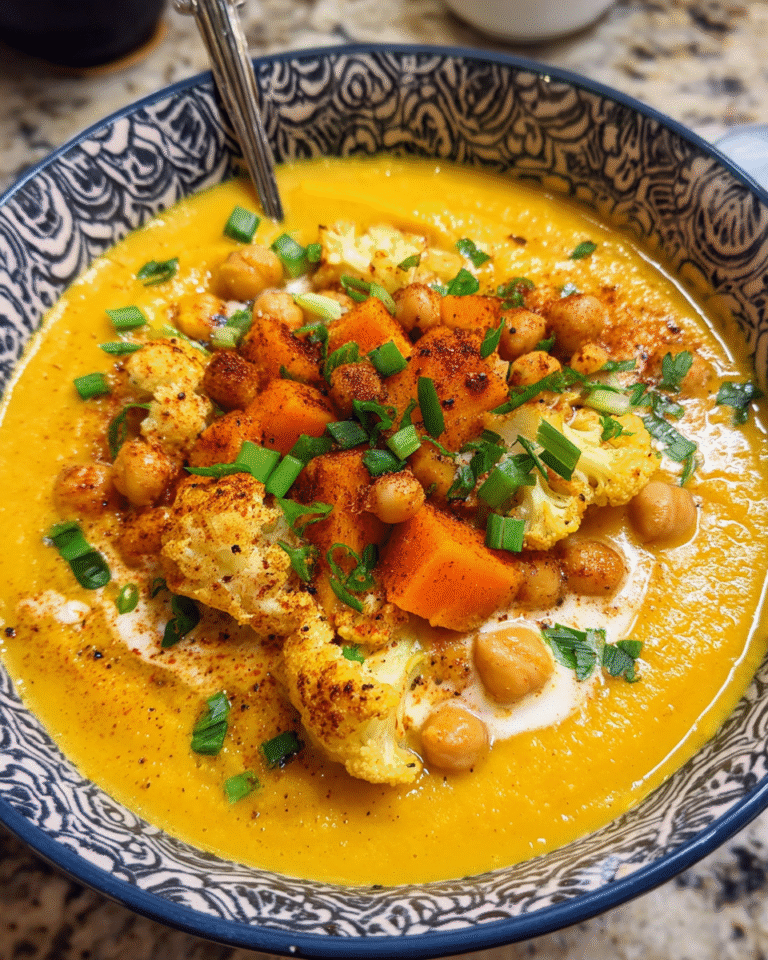
Pairing this dish with a salad or something creamy creates balance. If you want a complementary warm side, try the comforting spices of this carrot ginger coconut curry soup, which contrasts with the chili-forward broth.
Storing and reheating for the best results
Store the broth and noodles separately to maintain texture. Reheat the broth gently on the stovetop, then add the noodles just before serving. This prevents over-softening and preserves the freshness of the aromatics.
Related Korean-Inspired Bowls to Explore
How this recipe compares to udon gochujang soup
A version made with udon often features a thicker, chewier noodle and sometimes includes a slightly sweeter broth. The recipe here remains lighter, sharper, and quicker to prepare, making it ideal for busy cooks.
Comparing this dish to more traditional soup gochujang preparations
Some traditional versions involve longer simmering with anchovy or kelp stock. This quick bowl focuses on speed and convenience while still delivering the signature chili-fermented depth.
More comforting bowls to try
Korean-inspired broths, spicy vegetable soups, and creamy coconut-based bowls all pair well with this cooking method. Once you learn the basic structure of this broth, you can apply it to countless variations.
FAQ
What is the difference between this dish and udon gochujang soup?
The main difference lies in noodle texture and broth weight. Udon is chewier and often paired with a slightly milder broth, whereas this version is punchier and quicker to assemble.
Can this be turned into a lighter soup gochujang version?
Absolutely. Reduce the chili paste or swap part of it for a light chili powder. Adding extra broth also softens the intensity.
How can I reduce heat without losing character?
Use less chili oil, increase broth, or add an extra splash of vinegar. The acidity helps balance spice while preserving flavor.
Which noodles work best?
Wheat strands, udon, ramen, or rice noodles all perform well. Pick a texture that matches your preference for bite and softness.
Conclusion
Why this recipe deserves a place in your weekly rotation
This bowl delivers high impact with minimal effort, ideal for busy evenings. The broth’s depth comes from technique rather than time, and the customizable nature makes it suitable for countless variations.
The advantages of mastering this method
Once you understand how hot oil, chili paste, and aromatics interact, you can adapt the approach to many other dishes. It’s a reliable technique that produces powerful flavor in minutes.
Encouraging creativity in your kitchen
Use this recipe as a foundation. Add proteins, vegetables, or alternative noodles to create new versions tailored to your preferences. This is what makes simple, flavorful cooking so enjoyable.
For more successful recipes, you can visit our Facebook page or our Pinterest account