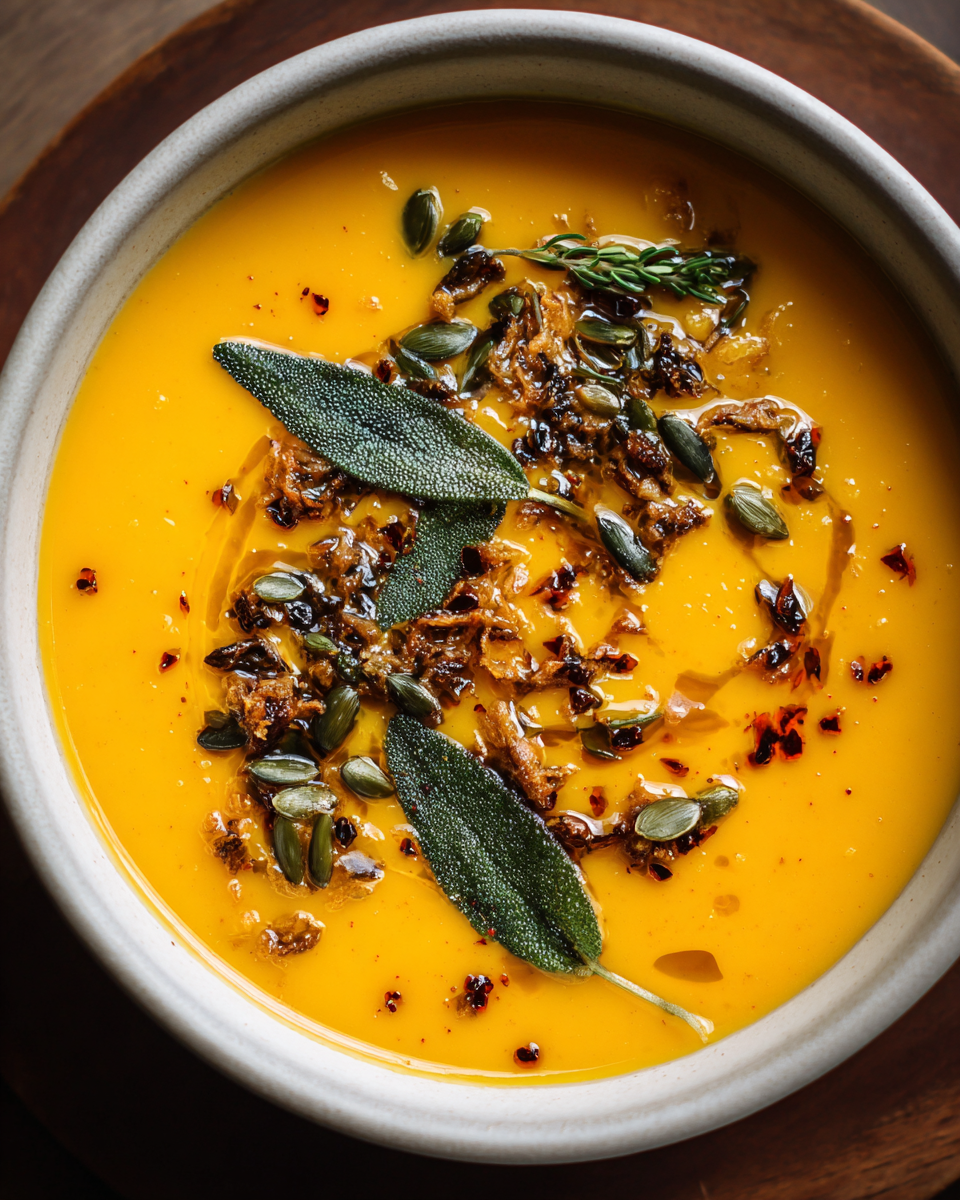
Creamy Roasted Pumpkin Sage Soup
The Creamy Roasted Pumpkin Sage Soup in this guide transforms simple autumn produce into a velvety bowl of comfort. This dish blends slow-roasted vegetables, warm spices, and aromatic sage to create a flavorful fall recipe that feels both wholesome and elevated. It’s ideal for weeknight cooking, seasonal gatherings, or anytime you want a nourishing, plant-based meal that comes together with very little effort. The method focuses on maximizing natural sweetness through roasting while keeping the preparation approachable for any home cook.
Print
Creamy Roasted Pumpkin Sage Soup
- Total Time: 50 minutes
- Yield: 2 servings
Description
A velvety roasted pumpkin and sweet potato soup infused with warm spices, fresh sage, and aromatic ginger for a comforting seasonal meal.
Ingredients
2 tablespoons olive oil or avocado oil
3 cups peeled and cubed pumpkin or butternut squash (about 14 oz)
1 medium sweet potato, peeled and cubed (about 6 oz)
1 medium leek or yellow onion, diced
1-inch piece of fresh ginger, grated
3 garlic cloves, minced
1/2 teaspoon smoked paprika
1/2 teaspoon ground coriander
6 cups vegetable broth
Salt and black pepper, to taste
2 tablespoons olive oil
10 to 16 fresh sage leaves
3 tablespoons mixed pumpkin and sunflower seeds
Pinch of sumac or crushed red pepper flakes
Instructions
1. Preheat oven to 400°F. Spread the pumpkin and sweet potato cubes on a parchment-lined baking sheet. Drizzle with 1 tablespoon oil and a pinch of salt. Roast for 30 minutes, or until tender.
2. In a large soup pot, heat the remaining tablespoon of oil over medium heat. Add the leek or onion and cook for 2–3 minutes until soft. Stir in ginger and garlic, and cook for another minute.
3. Add the roasted vegetables to the pot along with the paprika, coriander, vegetable broth, salt, and pepper. Bring to a boil, then reduce heat and simmer for 15 minutes.
4. Carefully transfer the soup to a blender and puree until completely smooth and velvety. Adjust seasoning if needed.
5. In a small skillet over low heat, warm 2 tablespoons oil. Add sage leaves to one side and seeds to the other. Fry gently for about 2 minutes until crispy.
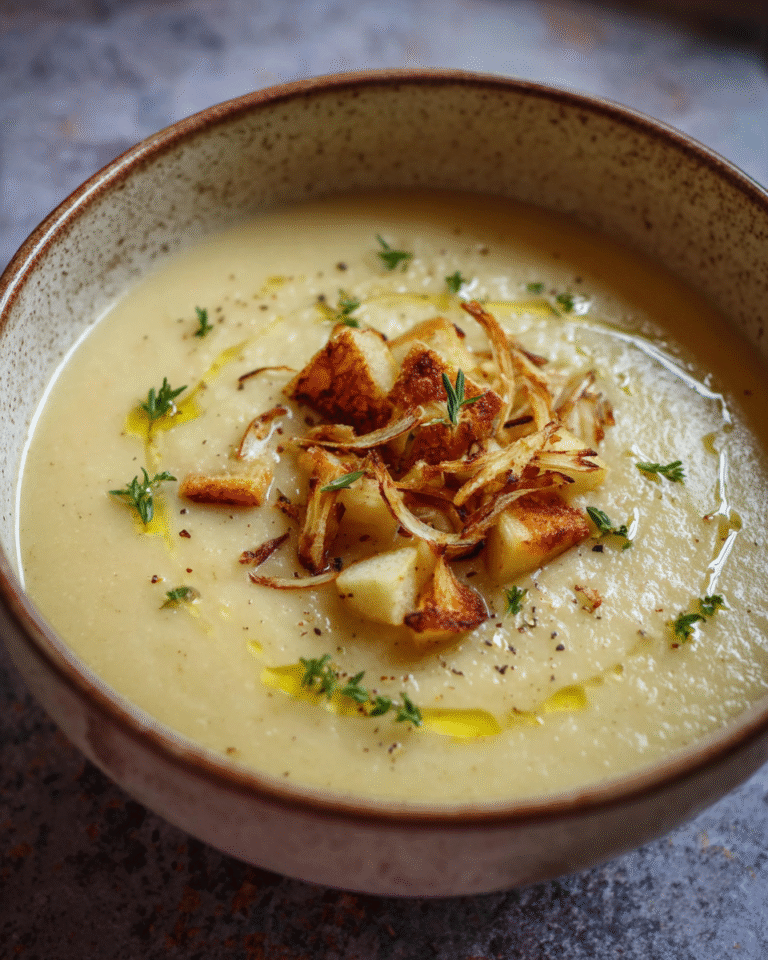
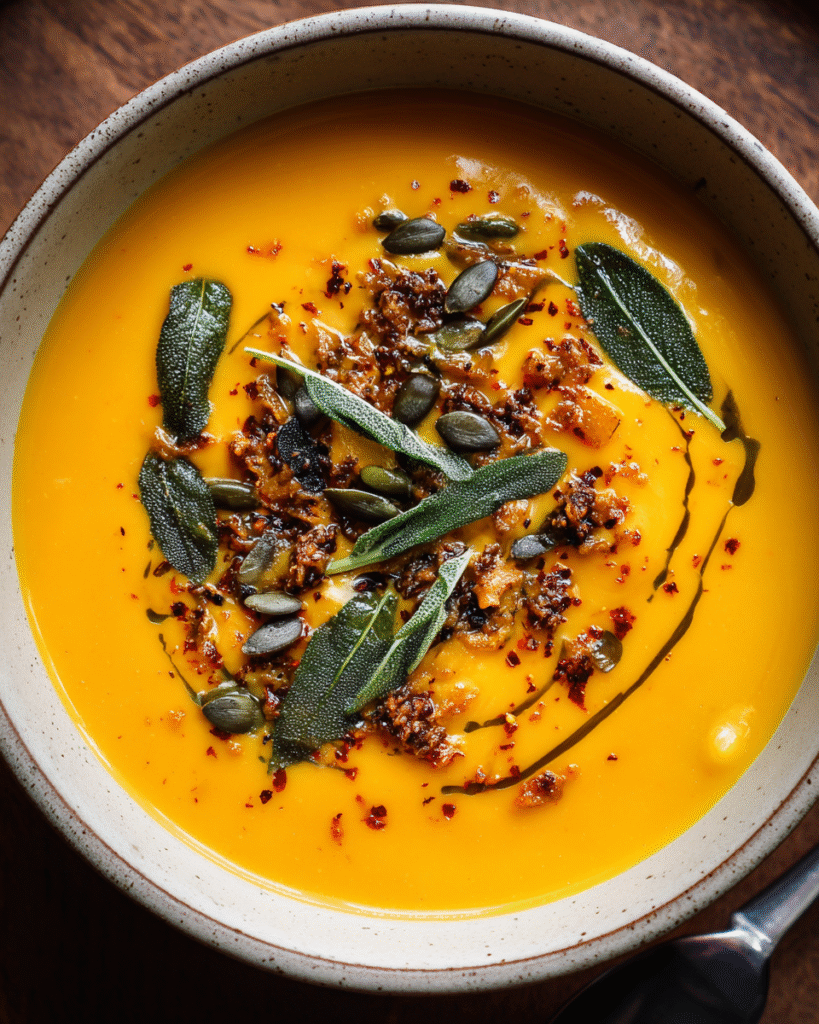
6. Ladle the soup into bowls. Drizzle with the infused oil, and top with crisped sage leaves, seeds, and a pinch of sumac or crushed red pepper.
Notes
Swap pumpkin with butternut squash if desired. Add coconut milk for a creamier variation. Reduce broth for a thicker consistency.
- Prep Time: 5 minutes
- Cook Time: 45 minutes
- Category: Soups
- Method: Roasting, Blending, Sautéing
- Cuisine: American-Inspired
Creamy Roasted Pumpkin Sage Soup Overview
What Makes This Creamy Roasted Pumpkin Sage Soup Unique
This recipe stands out because every main ingredient—pumpkin, sweet potato, sage, aromatics—receives intentional treatment to draw out its full character. Roasting gives the vegetables a caramelized depth that delivers far more complexity than boiling alone. The soup becomes naturally thick without added cream, making it a vibrant, dairy-free option that maintains a rich, silky finish.
Flavor Profile and Seasonal Appeal
This dish offers a balance of earthy sweetness, subtle spice, and herbal warmth. Fresh sage brings a cozy, woodsy aroma, while ginger and garlic add bright undertones. The broth ties everything together into a comforting blend ideal for cool-weather cooking. This seasonal profile pairs well with a wide range of fall menus, from hearty entrées to simple salads.
How Roasting Enhances Pumpkin Soup Recipes
Roasting intensifies natural sugars and concentrates flavor. It also creates a slightly smoky backdrop that works beautifully with spices like smoked paprika and coriander. This approach produces a thicker base that purées easily and results in the velvety texture people love in a pumpkin-based soup.
Key Ingredients for Creamy Roasted Pumpkin Sage Soup
Choosing the Best Pumpkin or Squash for Roasting
Sugar pumpkin and butternut squash offer the sweetest and most consistent texture, making them ideal choices. Their dense flesh absorbs seasoning well and browns evenly in the oven. You may also interchange the two without changing the final character of the dish.
Role of Fresh Sage and Aromatics in Depth of Flavor
Fresh sage gives the recipe its signature herbal note. When lightly fried, it becomes crisp and fragrant, adding contrast to the soup’s smooth body. Leeks or onions build the aromatic base, while garlic and ginger add warmth that enhances the roasted vegetables.
Balancing Spices Like Smoked Paprika and Coriander
These spices introduce an earthy and slightly smoky dimension. They complement the sweetness of the pumpkin and sweet potato while preventing the soup from tasting one-dimensional. A pinch of smoked paprika also contributes a deeper color and a satisfying complexity.
Step-by-Step Method for the Perfect Pumpkin Soup
Roasting the Vegetables for Maximum Flavor
Roasting at high heat gives the pumpkin and sweet potato a caramelized edge. The method ensures the vegetables become soft enough to blend effortlessly while preserving structural integrity. This step is essential, as the roasting process defines the soup’s character.
Building the Aromatic Base with Leeks, Garlic, and Ginger
Sautéing the aromatics prepares the pot for layering flavors effectively. A quick cook softens the onion or leek without browning too heavily, leaving space for ginger and garlic to infuse the oil. This foundation helps the final dish taste balanced and full.
Blending for a Velvety, Creamy Texture
Blending the soup while warm creates an ultra-smooth finish. The mixture transforms into a naturally thick and silky purée without dairy or thickeners. Adjusting the broth level allows you to control consistency based on preference.
Serving Ideas and Enhancements for Creamy Roasted Pumpkin Sage Soup
Crispy Sage and Seed Toppings
The final garnish adds contrast and elevates presentation. Crisp sage leaves bring an aromatic crunch, while pumpkin and sunflower seeds offer texture. The infused oil gives each serving a delicate herbal finish that matches the base flavors beautifully.
How to Adjust Consistency and Seasonings
You can thin the soup with extra broth or thicken it by simmering uncovered for a few minutes. Salt and pepper should be added gradually to prevent overseasoning. A touch of sumac brightens the flavor, while red pepper flakes add heat for those who prefer spice.
Pairing the Soup with Sides and Seasonal Dishes
This dish pairs well with crusty bread, roasted vegetables, quinoa salads, and leafy greens. It also makes a beautiful starter for autumn gatherings or a main course alongside a grain bowl.
Storage, Variations, and Meal Prep Tips
Refrigeration and Freezing Guidelines
Store the soup in airtight containers for up to four days. For longer storage, freeze it for up to three months. When reheating, warm slowly on the stovetop and whisk to restore its silky consistency.
Vegan and Dairy-Free Modifications
The base recipe is naturally vegan, making it suitable for a wide range of diets. If you want added richness, swirl in coconut milk or cashew cream. Both options deepen the body without altering the autumn flavor direction.
Flavor Variations with Coconut Milk or Herbs
Coconut milk creates a lush, tropical variation while maintaining a classic pumpkin-soup profile. Additional herbs like thyme or rosemary offer more savory notes. Adding a squeeze of lemon juice at the end creates brightness for a more modern twist.
Related Seasonal Soups You May Enjoy
How This Soup Compares to Roasted Pumpkin Soup
Traditional roasted pumpkin versions share similar foundations but often rely on heavier cream or fewer aromatics. This recipe stays lighter while keeping the flavor bold.
When to Choose Pumpkin Soup with Coconut Milk
Coconut-based versions deliver a silkier mouthfeel and pair well with ginger-forward recipes. You can explore variations by trying a dish like the one featured in the comforting mix of vegetables in this warming sweet potato and ginger blend.
Explore Similar Recipes Like Creamy Chowders and Fall Soups
If you enjoy rich, cozy bowls, a seafood-based option such as this creamy salmon chowder offers another satisfying, seasonal choice.
FAQs
Is roasted pumpkin soup better than boiled pumpkin soup?
Roasting creates deeper flavor and greater complexity because the heat draws out natural caramelization. Boiling works, but the result tends to be milder and less layered.
Can I make pumpkin soup with coconut milk instead of broth?
Yes. Coconut milk produces a thicker, silkier texture and pairs well with spices like ginger and coriander. Replace part or all of the broth for a creamier finish.
How do I thicken pumpkin soup naturally?
Simmering the pot uncovered reduces excess liquid and thickens the base. You may also add more roasted pumpkin or sweet potato before blending.
Can I prepare this soup ahead for meal prep?
Absolutely. This recipe reheats beautifully and stores well for several days, making it ideal for weekly meal planning.
Conclusion
Final Thoughts on Crafting a Flavorful Fall Soup
This recipe delivers warmth, aroma, and nourishment with minimal ingredients. Roasting and thoughtful seasoning allow each element to shine.
How to Customize This Recipe for Any Season
You may swap vegetables, herbs, or spices while maintaining the core technique. Adjusting aromatics or broth type shifts the dish easily from fall to winter or spring.
Why This Dish Belongs in Your Regular Rotation
Its simplicity, versatility, and rich flavor make it ideal for weeknight meals or entertaining. Once you try it, you’ll find yourself returning to it whenever you want a wholesome yet elevated bowl of comfort.
For more successful recipes, you can visit our Facebook page or our Pinterest account