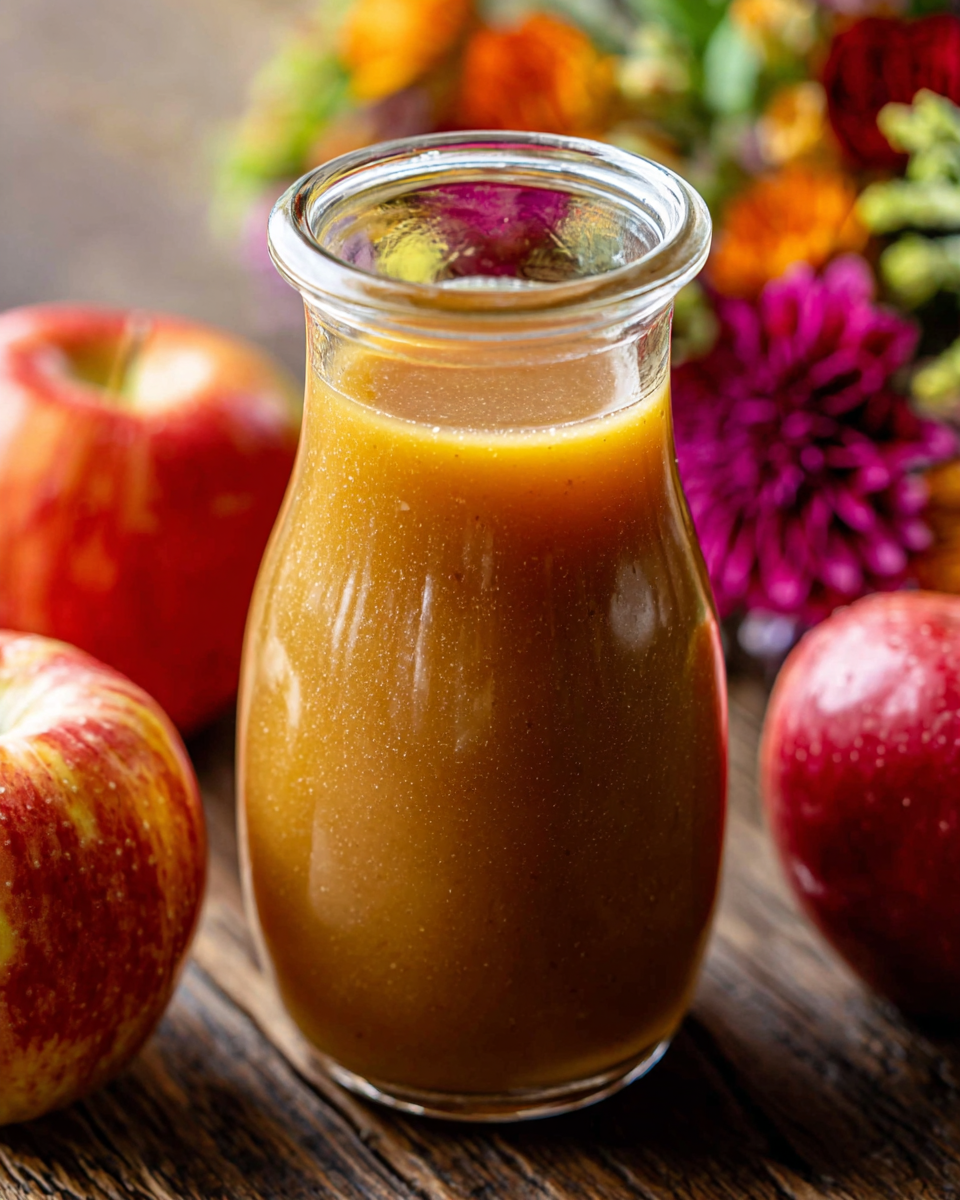
Apple Cider Vinaigrette: Unlock Bold Fall Flavor with This Homemade Dressing
From crisp orchard aromas to its naturally tangy finish, apple cider vinaigrette has emerged as a seasonal favorite for health-conscious food lovers. This article explores how to make a flavorful, well-balanced vinaigrette using simple pantry ingredients, why it outshines store-bought options, and how to integrate it into your weekly meals. You’ll discover its surprising health benefits, the best practices for storage, and how to pair it beautifully with roasted vegetables, grains, and fall salads. If you’re ready to elevate your salad game with a punchy, sweet-tart twist, this guide will show you how to harness the full power of apple cider vinaigrette.
Print
Apple Cider Vinaigrette: Unlock Bold Fall Flavor with This Homemade Dressing
- Total Time: 15 minutes
- Yield: 6 servings
Description
- Apple cider vinaigrette brings bold flavor and health perks to salads. Learn how to make, store, and use this easy homemade dressing.
Ingredients
-
1 cup unsweetened apple cider
-
2 tablespoons apple cider vinegar
-
2 tablespoons finely minced shallot
-
1 tablespoon Dijon mustard
-
1 tablespoon maple syrup
-
2 tablespoons olive oil
-
1/4 teaspoon kosher salt (or to taste)
-
Freshly ground black pepper to taste
Instructions
-
In a small saucepan, combine the apple cider, apple cider vinegar, and shallots.
-
Bring the mixture to a boil over medium heat, then reduce the heat and let it simmer for about 10 minutes, or until the liquid reduces by half.
-
Remove from heat and transfer the mixture to a jar.
-
Add the Dijon mustard, maple syrup, olive oil, salt, and pepper.
-
Secure the lid and shake vigorously until the vinaigrette is well blended.
-
Use immediately or store in the refrigerator for up to a week.
- Prep Time: 5 minutes
- Cook Time: 10 minutes
- Category: Seasonal and Holiday Salads
- Method: Simmering, Mixing
- Cuisine: American
Table of Contents
Understanding Apple Cider Vinaigrette
What is apple cider vinaigrette? – definition and key components
Apple cider vinaigrette is a tangy, slightly sweet dressing made from apple cider vinegar, often combined with oil, mustard, maple syrup, and seasonings. The star ingredient, apple cider vinegar, is fermented apple juice that brings both acidity and subtle fruitiness to dishes. This vinaigrette is especially popular in fall cuisine, offering a seasonal flair that complements roasted vegetables and hearty greens. It’s a favorite for its balance—cutting richness while enhancing natural flavors. Whether drizzled on a grain bowl or tossed with greens, apple cider vinaigrette offers bold, clean flavor with minimal effort.
Why choose apple cider vinaigrette over store‑bought dressings?
Store-bought dressings often contain preservatives, excess sodium, and artificial sweeteners. In contrast, homemade apple cider vinaigrette gives you total control over ingredients and taste. You get to adjust sweetness, acidity, and seasoning to match your dish perfectly. It’s also more economical and eco-friendly when made in batches. Making your own vinaigrette allows you to skip processed additives while enjoying a more vibrant, fresher taste. Plus, crafting it from scratch empowers you to incorporate better-for-you ingredients—like cold-pressed olive oil or natural maple syrup—without sacrificing flavor.
How the apple cider and vinegar components work with flavor and nutrition
Apple cider contributes a natural fruitiness, while apple cider vinegar delivers that essential acidic kick that brings balance to rich or earthy ingredients. The vinegar also supports digestion and blood sugar control, making it a smart choice for those watching their health. Together, these two components create a flavor synergy that awakens the palate and enhances every bite. This dual combination helps cut through the creaminess of cheese, the depth of grains, and the crunch of seasonal produce—especially in vibrant fall salads like these grilled cauliflower bowls or an antipasto salad packed with bold ingredients.
How to Make Apple Cider Vinaigrette
Ingredient list and selection tips for apple cider vinaigrette
The magic of apple cider vinaigrette lies in its short, powerful ingredient list. Start with unsweetened apple cider—it should be fresh and not from concentrate for the purest flavor. Combine it with apple cider vinegar that’s raw and unfiltered if possible, which contains the “mother” for added probiotics. Dijon mustard adds creamy tang and helps emulsify the dressing. Maple syrup introduces subtle sweetness that balances the acidity. Finely minced shallots lend aromatic complexity, while olive oil provides body and depth. Always season with kosher salt and a few twists of freshly ground black pepper to taste.
This vinaigrette is ideal for customization. Swap maple syrup with honey, or add fresh herbs like thyme for variation. For a touch of spice, a pinch of crushed red pepper works wonders.
Step‑by‑step instructions for apple cider vinaigrette preparation
Making this dressing is quick and straightforward. In a small saucepan, combine 1 cup of apple cider, 2 tablespoons of apple cider vinegar, and 2 tablespoons of shallots. Bring it to a boil over medium heat, then reduce to a simmer and allow the liquid to reduce by half—this should take about 10 minutes.
Once reduced, transfer the mixture to a jar or bowl. Add 1 tablespoon Dijon mustard, 1 tablespoon maple syrup, 2 tablespoons olive oil, 1/4 teaspoon kosher salt, and black pepper to taste. Secure the lid tightly and shake vigorously until the vinaigrette is emulsified. That’s it—you’ve just made a powerhouse dressing in under 15 minutes.
Storage and handling of apple cider vinaigrette for freshness
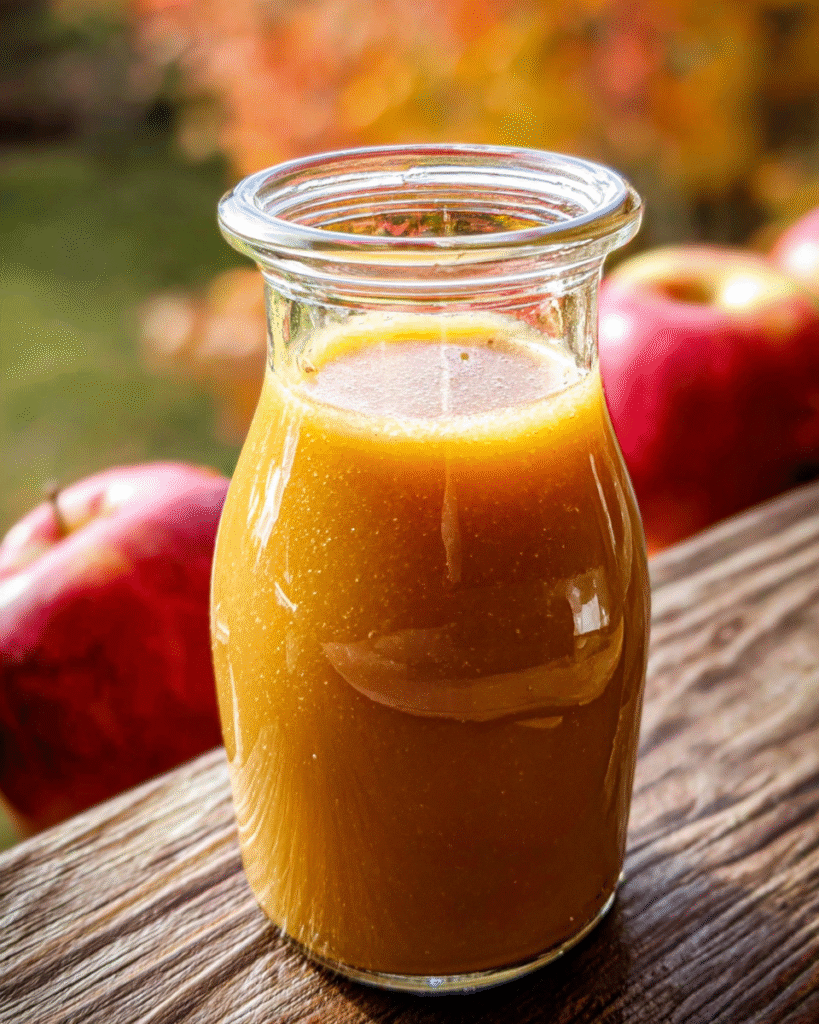
Once prepared, the vinaigrette should be stored in a clean, sealed jar or container in the refrigerator. It stays fresh for up to one week, although the flavor is most vibrant within the first few days. Before each use, give the jar a firm shake to remix the ingredients, as separation is natural. For best results, bring it to room temperature before serving to allow the olive oil to loosen up.
Avoid using metal containers, which can interact with the vinegar. A glass jar with a tight lid is your best bet to maintain flavor integrity and prevent spills.
The Benefits of Apple Cider Vinaigrette
Health benefits of apple cider vinegar in the vinaigrette
Apple cider vinegar is more than just a tangy kitchen staple—it’s known for its health-enhancing properties. Rich in acetic acid, it can help stabilize blood sugar, especially when consumed before meals. It may also support healthy digestion by promoting stomach acid production and gut balance. Some studies suggest it may aid in appetite control, which could benefit those managing weight. When used in a vinaigrette, apple cider vinegar becomes an easy, delicious way to incorporate these benefits into daily meals—especially when paired with nutrient-rich greens or grains.
Nutritional advantages of homemade apple cider vinaigrette vs processed dressings
Store-bought dressings often sneak in hydrogenated oils, added sugars, and artificial preservatives—elements that can diminish the nutritional quality of your meal. In contrast, this homemade apple cider vinaigrette keeps things clean and transparent. Every ingredient—from the olive oil to the maple syrup—is purposeful and easy to pronounce. With only 73 calories per serving, it’s lower in fat and sugar than many bottled options. It’s also gluten-free, vegetarian, and dairy-free, making it a smart choice for diverse dietary needs.
Plus, using whole ingredients gives you a vinaigrette rich in healthy fats and natural antioxidants. And because it’s made fresh, you avoid chemical stabilizers entirely.
Why apple cider vinaigrette works for seasonal salads and clean eating
As autumn rolls in, so do hearty vegetables like squash, kale, roasted cauliflower, and Brussels sprouts. Apple cider vinaigrette pairs perfectly with these earthy, robust ingredients. Its tart sweetness cuts through heaviness, while the vinegar brightens flavor and texture. It’s also ideal for anyone following a clean eating lifestyle—where simplicity, whole ingredients, and mindful preparation are key.
Use this dressing to enhance seasonal salads, nourish bowls, or even roasted root vegetables. It’s a go-to tool for crafting meals that feel indulgent but remain wholesome.
Precautions and What to Know When Using Apple Cider Vinaigrette
Possible side‑effects or interactions related to apple cider vinegar
While apple cider vinegar boasts many health benefits, it’s important to use it responsibly. Consuming it in large quantities or undiluted may lead to tooth enamel erosion due to its acidity. It can also irritate the throat or stomach lining, especially in individuals with acid reflux. Some people may experience digestive discomfort if they’re not accustomed to vinegar-based dressings.
Additionally, apple cider vinegar may interact with medications like diuretics or insulin. Anyone managing blood sugar or blood pressure should consult a healthcare provider before increasing intake. In vinaigrette form, however, the vinegar is safely diluted and consumed in small amounts—making it gentle and enjoyable for most.
How long does apple cider vinaigrette last and how to tell if it’s gone bad?
Homemade apple cider vinaigrette lasts for about 5 to 7 days in the refrigerator. Unlike store-bought versions filled with preservatives, this dressing is made fresh—so it requires proper storage. Always refrigerate it in a tightly sealed glass container to preserve quality.
To tell if it’s gone bad, look for signs like a sour or off smell, separation that doesn’t re-blend when shaken, or mold around the jar rim. If you notice any of these, discard it immediately. Also, if you added perishable ingredients like fresh herbs or garlic, its shelf life may be shorter—around 3 to 4 days.
Safe usage tips for apple cider vinaigrette in your diet
Apple cider vinaigrette is best used as a light drizzle over salads, grain bowls, or roasted vegetables. A serving size of 2 tablespoons provides bold flavor without overdoing acidity or calories. Be mindful not to use it on an empty stomach if you’re sensitive to vinegar.
Pairing it with fiber-rich meals helps moderate its effects, while olive oil in the recipe adds satiety. For those new to vinegar-based dressings, start with smaller portions and observe how your body responds. With proper use, apple cider vinaigrette can be a safe, flavorful addition to any meal plan.
Serving Suggestions and Pairings for Apple Cider Vinaigrette
Top salads and bowls suited to apple cider vinaigrette
Apple cider vinaigrette shines brightest when it meets ingredients with bold textures and earthy notes. For a vibrant fall meal, try it over a roasted veggie medley like these grilled cauliflower bowls, where the vinaigrette complements the charred edges and balances any bitterness. It also pairs wonderfully with an antipasto salad—cutting through richness from cheese, cured meats, or olives.
Hearty greens like kale or arugula benefit from its acidity, while farro or quinoa bowls gain complexity from the vinaigrette’s sweet-and-savory edge. The result is a salad that doesn’t feel like a side dish—but a satisfying main course.
How to adapt apple cider vinaigrette for veggies, grains, and proteins
Beyond salads, apple cider vinaigrette adapts beautifully to roasted root vegetables—think carrots, beets, or sweet potatoes. Drizzle it while they’re still warm to allow the flavors to absorb deeply. For grains like brown rice, barley, or couscous, toss them with a few spoonfuls of vinaigrette before adding toppings. It keeps things moist and adds an extra layer of interest.
Looking to elevate lean proteins? This vinaigrette works well as a light marinade or post-cook drizzle for grilled chicken or tofu. Its acidity brightens flavors without overpowering, making it ideal for those seeking balance in every bite.
Variation ideas: maple, mustard, herb twists on apple cider vinaigrette
While the core recipe is a standout, there’s plenty of room to get creative. For a stronger punch, increase the Dijon mustard and reduce maple syrup slightly. Want it sweeter? Swap in honey or increase cider content. Adding fresh herbs like rosemary, thyme, or tarragon can instantly shift the flavor profile toward Mediterranean or French-inspired notes.
If you’re craving heat, a touch of crushed red pepper or a dash of horseradish adds a spicy kick. You can even blend in some Greek yogurt for a creamier version—perfect for dipping or spreading.
FAQS
How do you make apple cider vinaigrette?
To make apple cider vinaigrette, combine 1 cup unsweetened apple cider, 2 tablespoons apple cider vinegar, and 2 tablespoons minced shallots in a saucepan. Simmer until reduced by half. Then transfer to a jar and add 1 tablespoon Dijon mustard, 1 tablespoon maple syrup, 2 tablespoons olive oil, 1/4 teaspoon kosher salt, and black pepper. Shake vigorously until well-blended. This process creates a tangy-sweet dressing perfect for salads and roasted vegetables.
How long does apple cider vinaigrette dressing last?
When stored in an airtight glass jar in the refrigerator, apple cider vinaigrette lasts up to one week. Its freshness depends on storage conditions and ingredient quality. Always shake before using and check for spoilage signs like an off smell or unusual separation. If fresh herbs or garlic were added, consume within 3 to 4 days for safety.
What are the precautions while using apple cider vinegar?
Apple cider vinegar is acidic and should be used in moderation. Consuming it undiluted can irritate the throat or damage tooth enamel. In vinaigrette form, however, it’s well-balanced and safe for most people. Those with acid reflux, sensitive stomachs, or on medications like insulin or diuretics should consult their doctor before frequent use.
What are the benefits of apple cider vinaigrette?
Apple cider vinaigrette offers both flavor and function. The apple cider vinegar component may support blood sugar control, digestion, and appetite regulation. Olive oil adds heart-healthy fats, while Dijon and shallots contribute antioxidants. Homemade versions are free from preservatives, making them a clean and nourishing choice for salads, bowls, and vegetables.
Conclusion
Apple cider vinaigrette is more than just a salad dressing—it’s a versatile, health-forward staple that brings flavor, nutrition, and balance to every bite. Its blend of tangy apple cider vinegar, smooth olive oil, and subtle sweetness creates a dynamic flavor profile that elevates everything from leafy greens to roasted vegetables and grain bowls. By making it at home, you control every ingredient, reduce unwanted additives, and unlock a fresh, seasonal taste unmatched by store-bought alternatives.
Whether you’re committed to clean eating or simply want to expand your flavor toolkit, this vinaigrette is an easy way to make meals more exciting and nourishing. From fall favorites to everyday bowls, it’s a recipe worth repeating.
For more successful recipes, you can visit our Facebook page or our Pinterest account