Baked Cauliflower Cheese That Turns Simple Cauliflower Into Pure Comfort
Baked Cauliflower Cheese is the kind of dish that quietly steals attention at the table. It looks humble, almost modest, yet once the spoon breaks through the golden crust and lifts that first creamy portion, everything changes. This classic bake transforms a simple head of cauliflower into something deeply comforting, rich without being heavy, and satisfying without relying on pasta or meat.
The magic of Baked Cauliflower Cheese lies in balance. Roasted florets hold their shape while absorbing a velvety cheddar and Gruyère sauce, and the final bake creates bubbling edges that turn beautifully golden. It feels traditional, but every bite tastes purposeful and modern.
Print
Baked Cauliflower Cheese That Turns Simple Cauliflower Into Pure Comfort
- Total Time: 1 hour 10 minutes
- Yield: 5–6 servings
- Diet: Vegetarian
Description
This baked cauliflower cheese features roasted florets folded into a rich cheddar and Gruyère sauce, then baked until golden and bubbling.
Ingredients
2 pounds cauliflower florets
2 tablespoons extra virgin olive oil
1/2 teaspoon sea salt
1/8 teaspoon black pepper
4 tablespoons unsalted butter
3 1/2 tablespoons all-purpose flour
1 cup whole milk
1 cup heavy cream
1/2 teaspoon kosher salt
1/4 teaspoon ground nutmeg
1 cup shredded sharp cheddar cheese
1/2 cup shredded Gruyère cheese
1/2 cup shredded sharp cheddar cheese (topping)
1/2 cup shredded Gruyère cheese (topping)
Instructions
1. Preheat oven to 425°F.
2. Toss cauliflower with olive oil, salt, and pepper. Roast 20 minutes.
3. Reduce oven to 350°F.
4. Warm milk and cream.
5. Melt butter, whisk in flour, cook 3 minutes.
6. Gradually add milk mixture, stir until thickened.
7. Remove from heat, stir in salt, nutmeg, cheddar, and Gruyère.
8. Combine roasted cauliflower with sauce.
9. Transfer to baking dish and top with remaining cheese.
10. Bake 30 minutes until golden and bubbling.
11. Rest 5 minutes before serving.
Notes
For extra crunch, add breadcrumbs before baking.
Substitute milk for cream for a lighter sauce.
- Prep Time: 10 minutes
- Cook Time: 1 hour
- Category: Healthy Comfort Food
- Method: Roasting and Baking
- Cuisine: British
Why Baked Cauliflower Cheese Is the Ultimate Comfort Classic
The British roots of Baked Cauliflower Cheese
This beloved dish has strong British roots, often appearing alongside Sunday roasts and holiday spreads. It carries the same nostalgic warmth as a well-made gratin, yet it allows cauliflower to shine instead of hiding beneath heavy cream or breadcrumbs. The structure is simple: roasted vegetable, creamy sauce, and a bubbling finish. But simplicity does not mean ordinary.
Generations have served this bake as a dependable side, and it continues to endure because it delivers exactly what comfort food should—depth, warmth, and generosity in every spoonful.
Why roasting transforms the flavor
Roasting the cauliflower before adding the sauce changes everything. Instead of steaming into softness, the florets caramelize slightly at the edges, developing subtle nutty notes. That light golden color adds complexity and keeps the vegetable from becoming watery once baked.
At 425°F, the cauliflower softens while staying slightly firm. That texture matters. When folded into the cheese sauce, each floret remains intact, offering structure against the creamy base. The result feels refined rather than mushy.
What makes it irresistibly creamy
The sauce brings the signature richness. Butter and flour create a smooth base, while warm milk and cream blend into a silky consistency that coats the back of a spoon. Sharp cheddar delivers bold flavor, and Gruyère adds a gentle sweetness and meltability that elevates the entire dish.
A touch of nutmeg quietly enhances the dairy without overpowering it. The sauce clings to every roasted piece, ensuring that no bite feels dry or flat.
How to Build Flavor in Baked Cauliflower Cheese
Roasted cauliflower as the foundation
The foundation begins with two pounds of florets tossed in olive oil, sea salt, and black pepper. Spreading them in a single layer ensures proper browning. Avoid crowding the pan; space allows heat to circulate and caramelize the edges.
After twenty minutes in the oven, the florets emerge lightly golden and aromatic. This step builds flavor before the sauce ever touches the pan, creating a deeper final result.
Crafting a silky cheese sauce
The sauce comes together over steady heat. Melt the butter, whisk in the flour, and cook until smooth and lightly golden. Gradually adding warm milk prevents lumps and keeps the texture velvety. Patience matters here. Stirring constantly allows the sauce to thicken evenly without scorching.
Once thickened, remove from heat and fold in the cheeses. They melt into a glossy, cohesive mixture that feels luxurious but not overwhelming.
Choosing cheeses for bold flavor
Sharp cheddar brings intensity. Gruyère melts smoothly and adds a refined note that prevents the dish from tasting one-dimensional. Together, they create depth that rivals a traditional mac and cheese recipe without relying on pasta.
The topping repeats the cheese combination, ensuring a bubbling, golden surface after baking. That final layer creates irresistible texture.
The Secret to Perfect Texture in Baked Cauliflower Cheese
Achieving golden edges
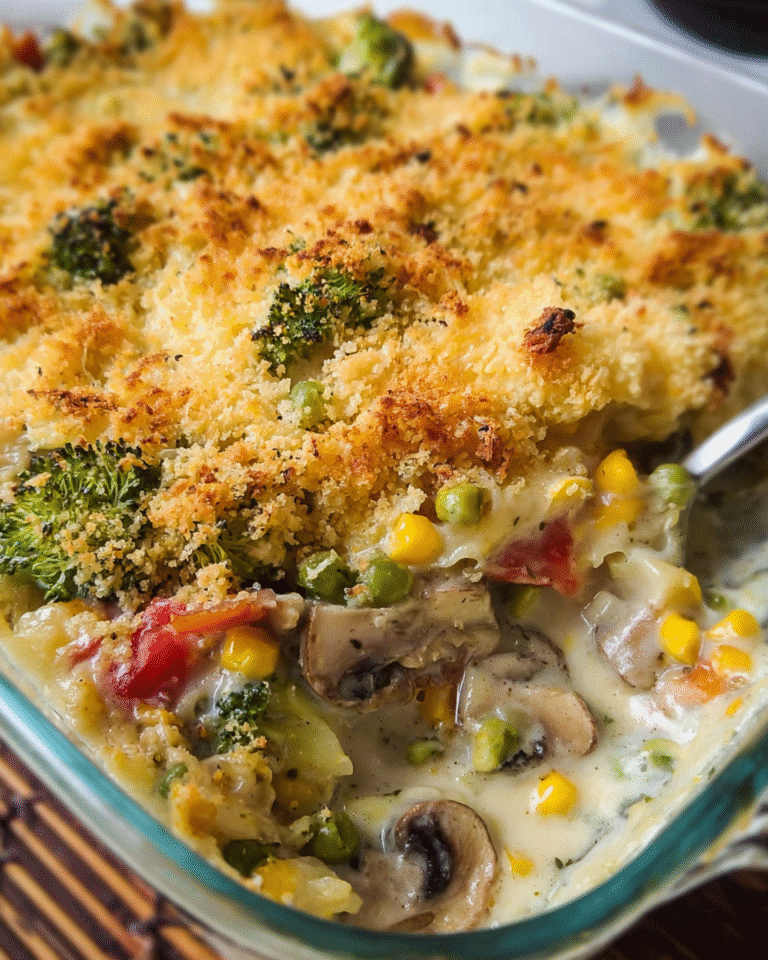
After combining the roasted florets with the sauce, transfer everything to a two-quart baking dish. Spreading it evenly ensures consistent baking. The final sprinkle of cheddar and Gruyère melts into a bronzed top during the thirty-minute bake at 350°F.
Watch for bubbling around the edges and a lightly crisped surface. That visual cue signals readiness.
Balancing creaminess and structure
The beauty of this bake lies in contrast. The sauce stays creamy, yet the cauliflower keeps a slight bite. Because the florets were roasted first, they resist collapsing under the heat of the second bake.
Letting the dish rest for five minutes after removing it from the oven allows the sauce to settle and thicken slightly. Serving too quickly can make it feel looser than intended.
Resting before serving
Resting also deepens flavor. As the heat redistributes, the cheeses finish melding with the roasted vegetable. A spoon glides through cleanly, lifting portions that hold together beautifully.
Serving Baked Cauliflower Cheese for Any Occasion
A holiday-worthy side
This dish feels at home on a holiday table. Its golden surface and creamy interior pair naturally with roasted meats, but it also stands strong beside plant-based mains. It complements hearty roasts in the same way a classic cheesy potato bake does, yet it feels lighter and more vegetable-forward.
Turning it into a main dish
For a satisfying vegetarian centerpiece, serve generous portions with a crisp green salad. The richness of the cheese contrasts beautifully with fresh greens dressed in lemon vinaigrette. Add crusty bread to round out the plate.
Pairing with comfort classics
It also fits seamlessly into weeknight dinners. Roast chicken, grilled sausages, or even simple baked fish benefit from its creamy contrast. The dish adapts easily, elevating everyday meals without demanding complicated preparation.
Baked Cauliflower Cheese Variations and Expert Tips
Making it ahead of time
You can assemble the entire dish earlier in the day. Roast the cauliflower, prepare the sauce, combine, and refrigerate before baking. When ready to serve, allow the dish to sit at room temperature briefly, then bake until hot and bubbling.
Adding crunch for crispy cauliflower casserole lovers
For those who love a crispy cauliflower casserole texture, sprinkle a light layer of breadcrumbs over the cheese topping before baking. The crumbs toast as the cheese melts, creating a delicate crunch that contrasts beautifully with the creamy interior.
Lightening it up without losing flavor
To reduce richness slightly, substitute additional milk for the heavy cream. The sauce remains smooth but feels lighter. Keeping the nutmeg and sharp cheddar ensures the flavor stays bold and satisfying.

FAQs About Baked Cauliflower Cheese
Crispy cauliflower casserole: how do you keep it crunchy?
Roast the florets thoroughly before adding sauce and avoid overbaking. For extra crunch, add a thin breadcrumb topping during the final bake.
Can it replace a mac and cheese recipe?
Absolutely. The creamy sauce and bubbling cheese provide the same comfort factor as pasta-based versions, while the roasted vegetable adds depth and texture.
Why is my cheese sauce grainy?
Graininess usually happens when the heat runs too high or the cheese is added while the sauce is boiling. Remove the pan from heat before stirring in cheese and melt it gently.
Can you freeze it?
Yes, though texture may soften slightly after reheating. Cool completely before wrapping tightly and freezing. Reheat in the oven until hot throughout.
Conclusion: Why Baked Cauliflower Cheese Belongs on Your Table
There is something deeply satisfying about transforming simple ingredients into something memorable. This dish proves that cauliflower can carry bold flavor and luxurious texture when treated with care.
With roasted edges, velvety sauce, and a golden top, it delivers comfort in its purest form. Whether served for a holiday gathering or a quiet weeknight dinner, this classic bake earns its place at the table again and again.
For more successful recipes, you can visit our Facebook page or our Pinterest