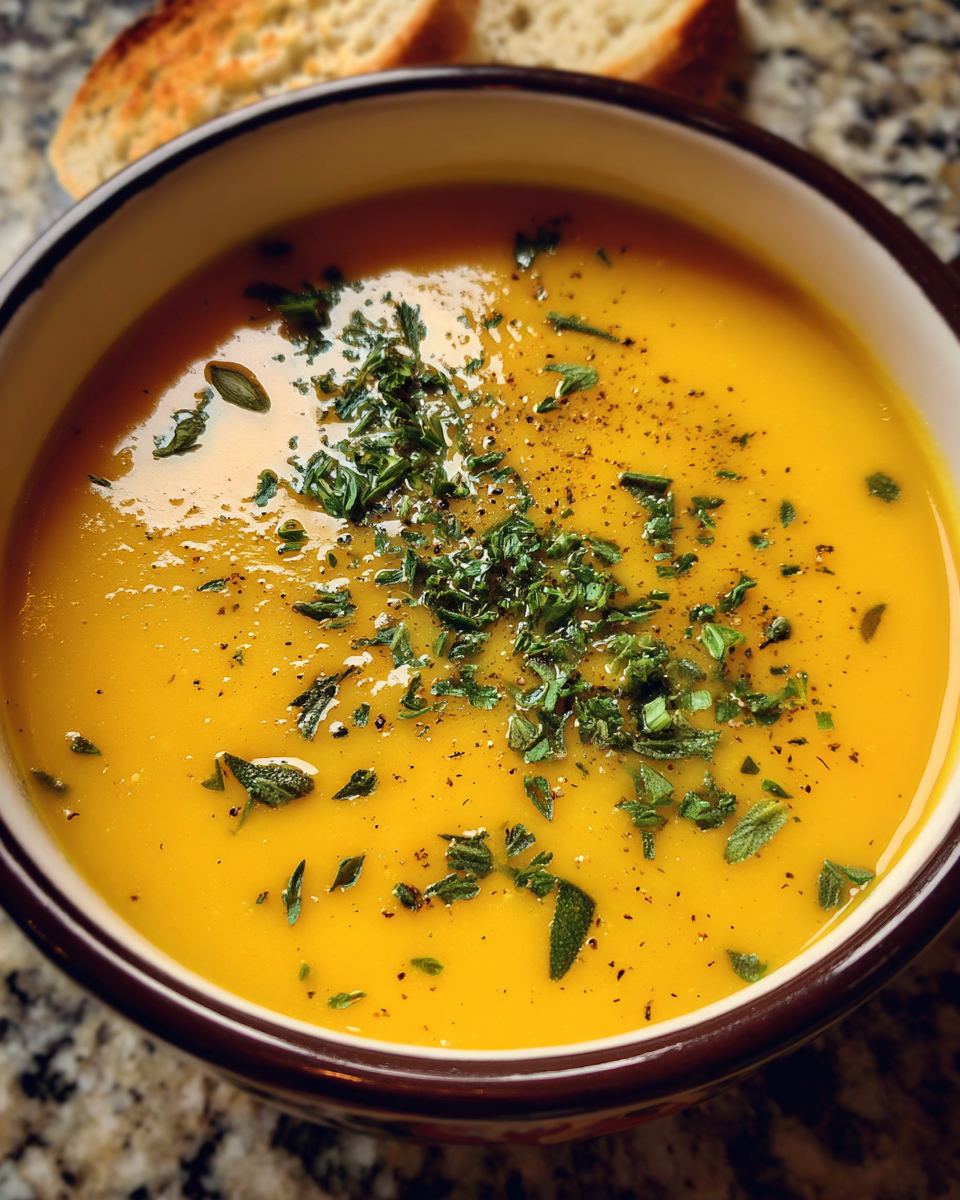
Butternut Squash Soup Recipe – Delicious & Nourishing Fall Favorite
Introduction :
Butternut squash soup is more than just a seasonal comfort—it’s a creamy, vibrant dish packed with flavor and nutrients. Whether you’re craving something cozy or looking for a lighter meal option, this soup delivers on every front. In this guide, we’ll explore the essential ingredients, step-by-step preparation, smart ways to enhance flavor, health benefits, serving tips, and answers to common questions. You’ll also discover how to adapt the soup for various dietary needs and preferences. With rich herbs, fresh aromatics, and smooth texture, this butternut squash soup recipe becomes a timeless favorite for any kitchen. Let’s get cooking.
Butternut Squash Soup Recipe – Delicious & Nourishing Fall Favorite
- Total Time: 45 minutes
- Yield: 6 servings
Description
- Butternut squash soup made with fresh herbs, rich aromatics, and plant-based comfort. A cozy, flavorful fall recipe.
Ingredients
- 2 tablespoons olive oil
- 1 large yellow onion, chopped
- 1/2 teaspoon salt
- 1 medium butternut squash (about 3 pounds), peeled, seeded, and cubed
- 3 garlic cloves, minced
- 1 tablespoon fresh sage, chopped
- 1/2 tablespoon fresh rosemary, minced
- 1 teaspoon fresh ginger, grated
- 3 to 4 cups vegetable broth
- Freshly ground black pepper, to taste
- For Serving:
- Chopped fresh parsley
- Toasted pumpkin seeds (pepitas)
- Crusty bread
Instructions
- In a large pot over medium heat, warm the olive oil. Add the chopped onion, salt, and a few grinds of black pepper. Sauté until the onion is tender and translucent, about 5 to 8 minutes.
- Stir in the cubed butternut squash and cook for 8 to 10 minutes, allowing it to begin softening.
- Add the garlic, sage, rosemary, and ginger. Stir and cook for about 1 minute, just until fragrant.
- Pour in 3 cups of vegetable broth. Bring the mixture to a boil, then reduce the heat, cover the pot, and simmer for 20 to 30 minutes or until the squash is fully tender.
- Let the soup cool slightly. Working in batches if needed, transfer the mixture to a blender and blend until smooth. If the soup is too thick, add up to 1 more cup of broth to reach your desired consistency.
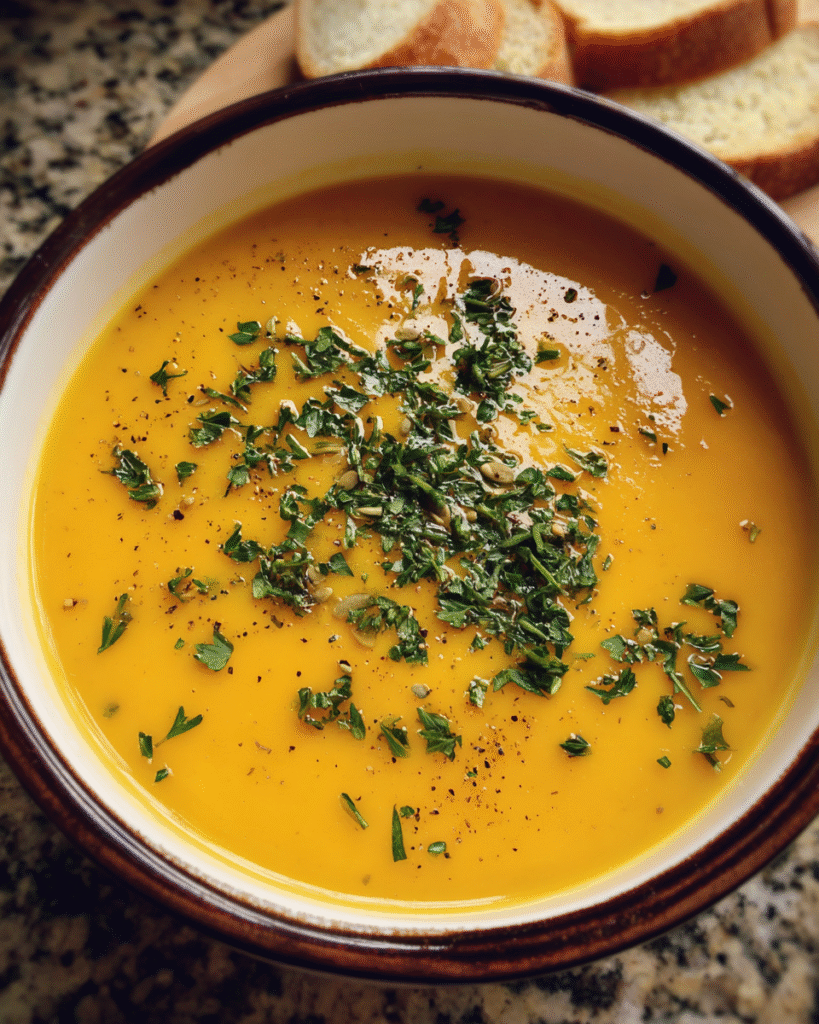
- Season with additional salt and pepper if needed. Serve garnished with parsley and toasted pumpkin seeds, alongside slices of crusty bread.
- Prep Time: 10 minutes
- Cook Time: 35 minutes
- Category: SOUPS
- Method: Stovetop, Blending
- Cuisine: American
Table of Contents
Understanding Butternut Squash Soup Basics
What goes into butternut squash soup?
The foundation of a well-balanced butternut squash soup lies in its clean, wholesome ingredients. This recipe begins with a generous drizzle of olive oil used to sauté a chopped yellow onion, imparting a mellow sweetness and depth. The star, of course, is the butternut squash—peeled, seeded, and cubed for quick, even cooking. Supporting flavors include garlic for boldness, fresh sage and rosemary for earthiness, and a dash of freshly grated ginger to brighten every spoonful. It’s all brought together with vegetable broth and seasoned simply with salt and black pepper. Each component enhances the natural creaminess and mild sweetness of the squash, forming a velvety, rich base that’s both satisfying and nourishing.
Why fresh herbs and root aromatics matter in butternut squash soup
Using fresh herbs instead of dried brings sharper, more defined layers of flavor to butternut squash soup. Sage offers a soft, savory edge while rosemary provides piney intensity. These herbs elevate the soup from ordinary to memorable. Ginger adds a gentle heat that contrasts beautifully with the squash’s sweetness, cutting through the richness with a fresh zing. Garlic, always reliable, ties all the flavor notes together. Together, these aromatics transform a simple pot of blended squash into a gourmet-level experience that’s both fragrant and flavorful.
Equipment & method for a successful butternut squash soup
Making butternut squash soup is straightforward, but success hinges on using the right equipment. You’ll need a large heavy-bottomed pot for sautéing and simmering, and either a standard blender or immersion blender for achieving a smooth finish. The soup simmers until the squash is tender, then gets puréed in batches to a silky consistency. If you prefer an extra-smooth texture, strain the soup through a fine mesh. Add broth gradually when blending to control thickness. These steps ensure your final dish is lush, warm, and restaurant-worthy.
Step-by-Step Preparation of Butternut Squash Soup
Step 1: Sauté the aromatics and squash
Start by warming olive oil in a large pot over medium heat. Add chopped yellow onion, salt, and a few grinds of black pepper. Stir frequently, letting the onion cook until it turns tender and translucent—this takes about 5 to 8 minutes. Once softened, add your cubed butternut squash to the pot. Stir well, allowing the squash to cook and absorb the flavors for about 8 to 10 minutes. This step builds the foundational flavor of your butternut squash soup, adding a subtle depth before any broth is added. It’s where sweetness meets savory in the best way.
Step 2: Add herbs, garlic and broth
With the squash beginning to soften, stir in the minced garlic, fresh sage, rosemary, and grated ginger. Let this aromatic mix cook for about a minute, just until fragrant. Then, pour in three cups of vegetable broth, stirring to combine. Turn up the heat to bring the mixture to a gentle boil, then lower the flame and cover the pot. Let it simmer for 20 to 30 minutes, or until the butternut squash becomes fork-tender. This slow simmer allows the squash to break down and soak up the richness of herbs and spices, essential for a flavorful soup.
Step 3: Blend and finish the butternut squash soup
Once the squash is fully cooked, allow the soup to cool slightly before transferring it to a blender. Work in batches if necessary, blending until smooth. If the soup turns out thicker than you’d like, stir in up to one additional cup of broth to loosen the texture. Taste and adjust seasoning with extra salt or pepper if needed. Serve the finished soup garnished with fresh parsley and a sprinkle of toasted pumpkin seeds. A side of crusty bread turns it into a hearty, complete meal. This final step transforms your simple ingredients into a silky, restaurant-style butternut squash soup.
Flavor Tips & Variations for Butternut Squash Soup
What to add to butternut squash soup to make it tastier?
If you’re looking to elevate the flavor of your butternut squash soup, a few strategic additions can make a dramatic difference. One proven enhancer is Thai red curry paste—it adds warmth, complexity, and a subtle heat that complements the squash’s sweetness beautifully. A splash of coconut milk can also bring richness and silkiness without overpowering the natural flavors. For a hint of acidity, a squeeze of lemon or a splash of apple cider vinegar works wonders to balance the dish. Don’t overlook the role of toppings—roasted nuts, crumbled feta, or even a swirl of chili oil can add surprising layers of taste and texture.
Smart seasoning to unlock deeper taste in butternut squash soup
Seasoning is the backbone of any flavorful soup, and this butternut squash version is no exception. Beyond basic salt and pepper, the key is layering flavor throughout the cooking process. Start with aromatics like onions, garlic, and ginger sautéed until golden. Fresh rosemary and sage deepen the flavor, while ginger gives it a spicy lift. Finish the soup with a dash of smoked paprika or cayenne if you’re craving more depth. Always taste your soup before serving—sometimes just a touch more salt or a grind of pepper can elevate the entire bowl from mild to magnificent.
Variation ideas: vegan, spicy or comfort‑style butternut squash soup
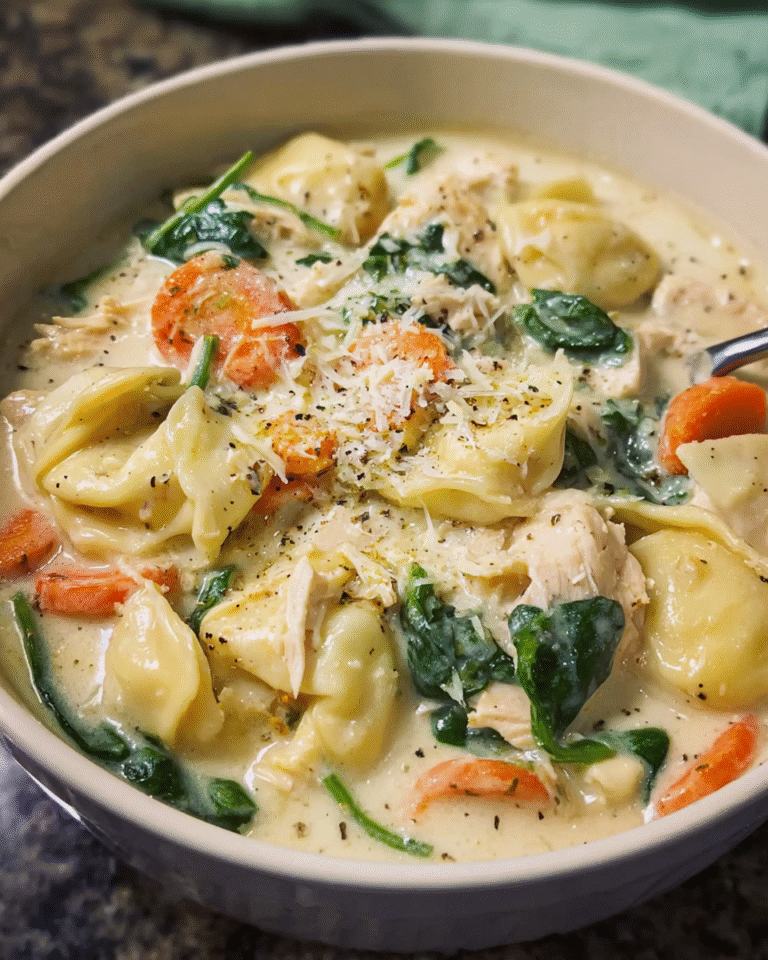
The beauty of butternut squash soup is how adaptable it is to your mood or dietary needs. For a purely plant-based, dairy-free variation, stick with the base recipe—it’s already vegan and gluten-free. Want something spicier? Add chipotle powder or red pepper flakes during the simmer stage. If you’re craving comfort, stir in a splash of cream or add caramelized onions for added sweetness. Serve with hearty bread or even a grilled sandwich for a fulfilling meal. And if you’re after something hearty but plant-powered, pair this soup with a bowl of vegetable tortellini soup for a warming duo.
Ingredient Insights & Nutrition in Butternut Squash Soup
What are the benefits of eating butternut squash soup?
Eating butternut squash soup offers more than just cozy comfort—it’s packed with nutrition that supports overall health. Butternut squash is rich in beta-carotene, a precursor to vitamin A that promotes healthy vision and immune strength. It also contains vitamin C, potassium, and dietary fiber, which aids digestion and heart health. The soup’s naturally creamy texture comes without heavy cream, making it a lighter, cleaner option than many traditional creamy soups. Plus, this recipe is fully plant-based, making it a smart choice for anyone following a vegan or gluten-free lifestyle. It’s warming, filling, and surprisingly energizing.
Calorie, macronutrient and diet-friendly profile of the recipe
Each serving of this butternut squash soup—roughly one cup—contains only 150 calories, making it ideal for those managing their intake without sacrificing satisfaction. It includes 20 grams of carbohydrates, 4 grams of fiber, and just 2 grams of protein, keeping it light yet hearty. The fat content is 7 grams, with only 1 gram of saturated fat. With 5 grams of natural sugar and 400 milligrams of sodium per serving, this soup remains balanced and clean. It’s an excellent low-cholesterol option, fitting seamlessly into vegan, plant-based, gluten-free, and dairy-free diets.
Ingredient selection & substitutes for the butternut squash soup
Choosing fresh, firm butternut squash is essential—look for one about three pounds in weight with smooth, unblemished skin. If you’re pressed for time, pre-cubed squash from the produce aisle can be a real timesaver. For broth, stick to low-sodium vegetable broth to control salt levels. Can’t find fresh herbs? Use dried rosemary and sage (just reduce the quantity by a third). You can also experiment with flavor by blending in roasted garlic, sweet potatoes, or carrots for a twist. For a heartier spin, serve it alongside a bowl of beef stroganoff soup—a comforting, protein-rich pairing.
Serving, Storage & Pairings for Butternut Squash Soup
How to serve butternut squash soup for maximum appeal
Presentation matters, especially when serving something as silky and elegant as butternut squash soup. Garnish each bowl with a sprinkle of freshly chopped parsley for color and brightness. Toasted pumpkin seeds (pepitas) add a satisfying crunch that contrasts beautifully with the creamy texture. A drizzle of olive oil or swirl of coconut cream can give it a gourmet finish. Serve the soup hot, paired with slices of warm, crusty bread on the side for dipping—this makes each bite more satisfying and meal-worthy. When styled with intention, your butternut squash soup can easily double as a dinner party starter or a weeknight staple.
Storage, reheating and make-ahead tips for butternut squash soup
One of the best things about butternut squash soup is how well it stores. Let the soup cool completely before transferring it into airtight containers. It keeps in the refrigerator for up to five days and can be frozen for up to three months. When reheating, use low to medium heat and stir often to preserve its smooth texture. If the soup thickens in storage, simply add a splash of broth or water during reheating to loosen it. This make-ahead flexibility makes it a smart meal prep option, ensuring you always have a nutritious, delicious dish ready to go.
Complementary dishes and internal link suggestions
While butternut squash soup shines on its own, it pairs beautifully with other cozy recipes. Consider serving it as part of a soup sampler alongside a vibrant vegetable tortellini soup for a colorful and satisfying duo. You could also present it with crusty grilled cheese or roasted vegetable flatbread for a more complete meal. This soup also complements seasonal sides like apple-walnut salad or roasted Brussels sprouts, creating a well-rounded, nourishing table that highlights the best of fall ingredients.
FAQS
Can I put butternut squash skin in soup?
Technically, yes—but it depends on how you’re preparing the squash. In this recipe, the squash is peeled to ensure a silky, smooth texture after blending. The skin of butternut squash is edible when roasted long enough, but when boiled or simmered, it doesn’t break down the same way. Leaving it on can result in a slightly gritty or fibrous consistency in your soup. For best results, especially when aiming for a refined purée, it’s highly recommended to peel the squash before cooking. If you’re making a rustic roasted soup, you might experiment with keeping the skin on.
What if my butternut squash soup is too thick or too thin?
Soup texture is easy to adjust. If your butternut squash soup ends up too thick, stir in more broth during blending—up to one additional cup—to reach your desired consistency. Always blend in small additions to avoid thinning it too much. If your soup is too watery, let it simmer uncovered for several more minutes. This reduces liquid and intensifies the flavor. Alternatively, blending in a bit of roasted potato or carrot can help thicken the texture naturally. Adjusting texture is part of the cooking process—don’t hesitate to experiment until it feels just right.
Why is my butternut squash soup bland or overly sweet?
Butternut squash naturally leans sweet, especially when it’s very ripe. If your soup tastes bland, chances are it’s under-seasoned or missing acidity. A small squeeze of lemon juice or splash of apple cider vinegar can cut through excess sweetness and brighten the flavor. Make sure you’re using enough salt and pepper, and don’t skip the fresh ginger—it introduces complexity and sharpens the taste. If your soup feels one-note, adding heat with a dash of cayenne or smoked paprika can balance the flavor. Taste as you go to guide your seasoning adjustments.
What are common errors when making butternut squash soup?
Several mistakes can affect your soup’s flavor or texture. Overcooking the aromatics like garlic or onion can cause bitterness. Blending the soup while it’s too hot may result in dangerous steam pressure—always let it cool slightly and blend in batches with the lid vented. Another common oversight is skipping the final seasoning step. After blending, taste and re-season as needed—it makes a massive difference. Lastly, using too little broth during the blending stage can make the soup overly dense and less enjoyable. Following these guidelines will help you master butternut squash soup every time.
Conclusion
Butternut squash soup is more than just a cozy seasonal dish—it’s a smart, adaptable recipe that fits beautifully into any kitchen routine. Whether you’re looking for a quick weeknight dinner, a make-ahead meal for busy days, or a stunning starter for guests, this soup delivers. From its nourishing ingredients to its silky-smooth texture and customizable flavor profiles, it’s a recipe worth mastering. You now have all the tools—from step-by-step guidance and seasoning advice to serving ideas and troubleshooting tips—to confidently prepare and personalize your own bowl of butternut squash soup. Warm, satisfying, and endlessly versatile—it’s a recipe that always feels like home.
For more successful recipes, you can visit our Facebook page or our Pinterest account