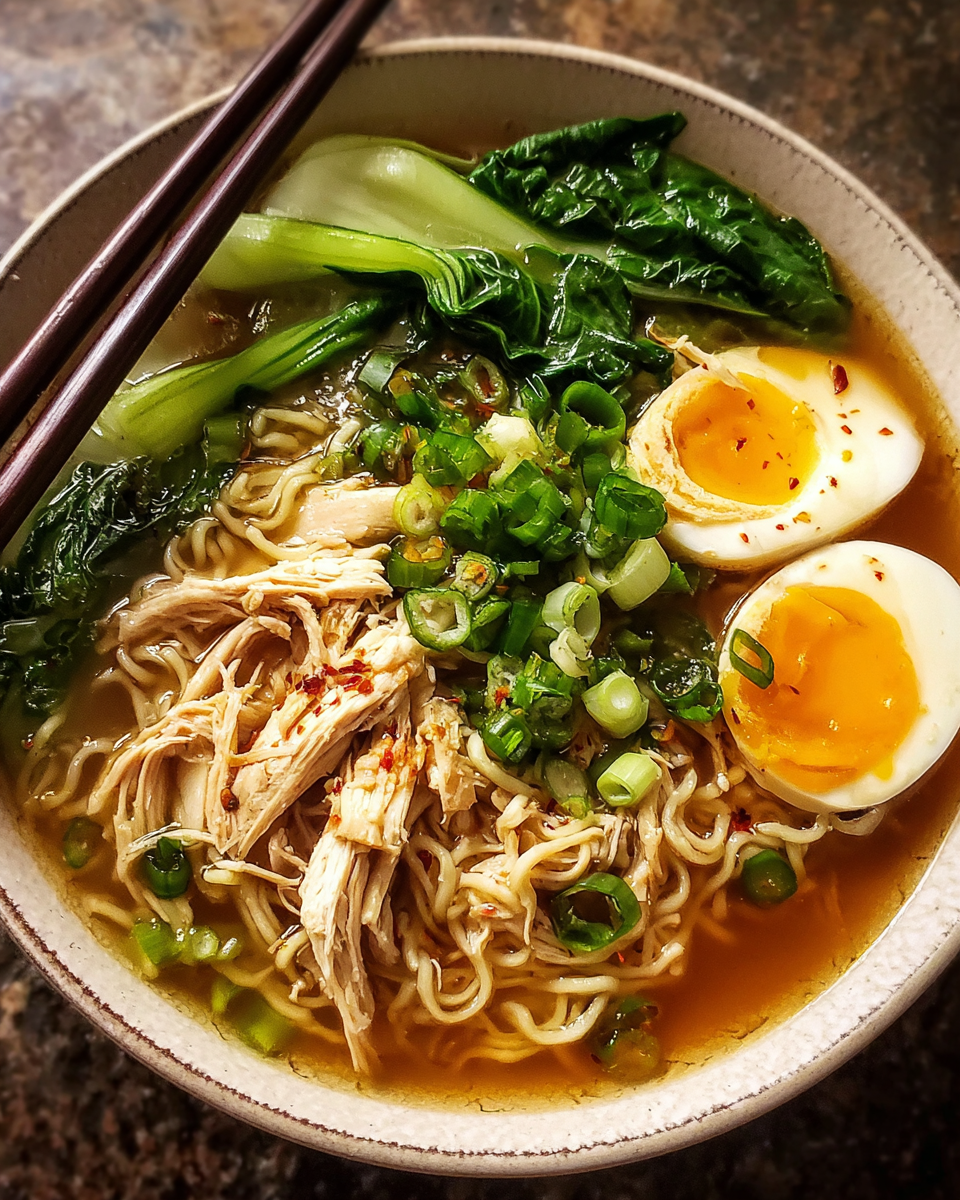
Chinese Noodle Soup Made Easy & Delicious in Just 15 Minutes
Introduction:
Chinese Noodle Soup is one of the most comforting, versatile dishes you can make — and in this guide, we’ll show you how to master it with ease. Whether you’re craving something warm and soothing on a chilly evening or need a quick, nutritious meal, this soup delivers. You’ll discover how to build a flavorful broth, choose the best noodles, and elevate your bowl with the right toppings. Along the way, we’ll dive into its cultural roots, variations, and a step-by-step recipe that comes together in just 15 minutes. Let’s explore this beloved dish from bowl to soul.
Print
Chinese Noodle Soup Made Easy & Delicious in Just 15 Minutes
- Total Time: 15 minutes
- Yield: 2 servings
Description
- Chinese noodle soup: Learn how to make this quick, warming dish in 15 minutes with easy steps, rich broth, and the perfect noodles.
Ingredients
-
For the Broth:
-
3 cups low-sodium chicken broth
-
2 garlic cloves, smashed
-
½-inch piece of ginger, sliced
-
1½ tablespoons light soy sauce
-
2 teaspoons sugar
-
¼ to ½ teaspoon toasted sesame oil (optional)
For the Noodles and Toppings:
-
6 oz fresh egg noodles
-
2 large bok choy, halved or quartered
-
1 cup shredded cooked chicken breast
-
1 green onion, thinly sliced (optional garnish)
-
Instructions
-
Prepare the Broth:
In a medium saucepan over high heat, combine chicken broth, garlic, ginger, soy sauce, sugar, and sesame oil. Bring to a simmer with the lid on, then lower the heat to medium and let it gently simmer for 8 to 10 minutes. -
Cook the Noodles:
While the broth simmers, cook the noodles according to the package instructions. Drain and set aside. -
Blanch the Bok Choy:
Cut and wash the bok choy thoroughly. Cook it either in the simmering broth or the noodle cooking water for about 1 minute, just until tender. -
Assemble the Soup:
Remove garlic and ginger pieces from the broth. Divide the noodles between two bowls. Top with shredded chicken and bok choy. Pour the hot broth over the top. -
Garnish and Serve:
Sprinkle with green onions if using. Serve hot, optionally with a side of chili paste or fresh chilies for extra heat.
- Prep Time: 5 minutes
- Cook Time: 10 minutes
- Category: SOUPS
- Method: Stovetop
- Cuisine: Chinese
Table of Contents
What is Chinese Noodle Soup?
Defining the Dish “Chinese Noodle Soup”
At its core, Chinese noodle soup is a simple yet soul-satisfying meal that blends tender noodles with a warm, savory broth. Unlike Western soups that often rely on creamy bases or pureed vegetables, this soup thrives on clarity, aroma, and balance. It’s traditionally crafted with a clear broth — most often chicken or pork — paired with freshly cooked noodles, vegetables like bok choy or spinach, and a modest topping of protein such as shredded chicken, pork, or tofu. What elevates it is the layering of ginger, garlic, and light soy sauce, transforming basic ingredients into a deeply warming experience.
This soup isn’t bound to one style. Whether you explore Cantonese wonton noodle soup or Sichuan’s spicy beef broth versions, the defining elements remain — clean broth, firm noodles, and restrained yet punchy seasoning. Each bowl invites customization and speaks to both regional identity and home-cooked comfort.
Key Ingredients in a Basic Chinese Noodle Soup
A great Chinese noodle soup begins with a flavorful broth. Using low-sodium chicken broth is popular for its clean yet rich flavor, often infused with fresh garlic cloves and slices of ginger. This foundational mix simmers to pull out warming aromatics, which are later removed to keep the broth clear and bright.
Next comes the soy sauce — light soy is preferred — offering umami and salt without overpowering. A touch of sugar balances the savory edge, while sesame oil (optional) adds a toasty finish. These ingredients don’t compete but synergize to deepen the flavor.
For the rest: fresh egg noodles offer a soft bite and excellent broth absorption. Crisp bok choy brings a mild vegetal contrast, while shredded cooked chicken ensures protein without heaviness. A sprinkle of green onion is optional but recommended for freshness and pop.
Typical Variations and How They Differ
The beauty of Chinese noodle soup is its flexibility. While chicken-based versions are common, regional and personal variations abound. In some parts of China, beef is preferred, as seen in the deeply spiced Lanzhou beef noodle soup. Coastal areas may favor shrimp or fish balls for a seafood profile. Some opt for thin wheat noodles, others use thick hand-pulled ones for a chewier bite.
Even the broth can shift dramatically. Vegetarian versions might use mushroom or miso for umami depth, while spicy iterations could include chili oil or Sichuan peppercorns. What ties them all together is the harmony between elements: broth, noodle, topping, and a finish that warms from within.
Internal recipes like this pea and ham soup or even a vegetable beef soup echo the same comforting balance, proving that simple ingredients, when treated right, create remarkable meals.
Building the Broth for Chinese Noodle Soup
Choosing the Liquid and Aromatics
The broth defines the soul of any Chinese noodle soup. Starting with a clean base like low-sodium chicken broth allows you to control salt and layer flavors precisely. It’s crucial to choose a broth that’s not overly rich or fatty — clarity matters in Chinese soup tradition. This makes chicken or vegetable broth excellent choices.
To infuse complexity, aromatic ingredients like smashed garlic cloves and thin slices of fresh ginger are added early. These aren’t meant to be eaten but to steep their essence into the broth. In just 8 to 10 minutes of simmering, they release a comforting depth, subtly sharp and warming without overwhelming. This minimalist approach reflects the cultural preference for balanced, refined flavors.
Seasoning and Flavour-Balance in the Broth
Chinese cuisine often builds umami not with heavy seasoning but with the interplay of simple pantry staples. Light soy sauce is the primary salt agent, offering depth without clouding the broth. It’s crucial to use light soy, not dark, for color and sodium control. A teaspoon or two of sugar balances the soy’s savoriness, smoothing out the saltiness and adding a touch of roundness.
Optional sesame oil adds a roasted nuttiness that finishes the soup with aroma rather than weight. Use it sparingly — ¼ to ½ teaspoon — as too much can overpower the subtle notes of ginger and garlic. If you’re customizing the soup, you can experiment by adding white pepper for a bit of heat or a dash of rice vinegar for brightness.
Every ingredient serves a purpose. When balanced properly, this broth becomes a warm hug in liquid form — deeply satisfying and simple to make, yet layered enough to impress.
Simmering Strategy and Timing
Timing is essential for a clear, fragrant Chinese noodle soup broth. After adding the aromatics and seasoning, bring everything to a boil with the lid on to trap the flavors. Once boiling, reduce to a simmer for about 8 to 10 minutes. This allows the garlic and ginger to steep slowly, infusing the broth without turning bitter.
Avoid boiling too long — over-extracting the aromatics may muddy the broth’s taste and clarity. Before serving, remove the garlic and ginger. This keeps the broth elegant and focused. If you plan to cook vegetables in the same pot, do it at the end to preserve their color and crispness.
A clear, golden broth with rich aroma is the sign you’ve done it right. It’s the foundation that brings all other components — noodles, vegetables, and protein — into a harmonious bowl.
Noodles in Chinese Noodle Soup — What’s Best?
Types of Chinese Noodles for Soup
The choice of noodles is just as important as the broth when creating Chinese noodle soup. Different types offer distinct textures and experiences. Fresh egg noodles are a top choice for home cooks — they’re tender, slightly chewy, and soak up broth beautifully. These are the noodles featured in our 15-minute version and are widely available in the refrigerated section of Asian grocery stores.
Other excellent options include thin wheat noodles, often used in Hong Kong-style soup bowls, and thicker wheat-based lamian (hand-pulled noodles), which are chewy and ideal for more robust, meat-heavy broths. Vermicelli made from rice or mung bean starch offers a gluten-free alternative with a light, slippery texture.
Each noodle variety brings something different to the table. What matters most is choosing a noodle that complements your broth and doesn’t turn mushy — a key to soup satisfaction.
How to Cook the Noodles for the Soup
The best practice when preparing noodles for Chinese noodle soup is to cook them separately from the broth. This might seem like an extra step, but it prevents the broth from becoming starchy or cloudy, preserving its clean flavor and golden appearance.
Bring a separate pot of water to a rolling boil. Add the noodles and cook according to the package directions — usually 2 to 4 minutes for fresh varieties. Once tender but still springy, drain and rinse quickly under hot water. This removes excess starch and stops further cooking.
Only add noodles to the bowl right before serving. This keeps their texture intact, especially important if you’re meal-prepping or serving multiple portions over time.
Matching the Noodle Texture to Your Soup Style
Texture plays a huge role in the eating experience. Springy egg noodles create contrast with soft greens and shredded chicken, making them ideal for a balanced bowl. Thin wheat noodles provide a smoother, delicate mouthfeel and pair well with lighter broths. For a chewier bite, thicker noodles like hand-pulled or knife-cut styles add satisfying density to the dish.
Your soup’s ingredients should guide your noodle selection. If your broth is rich and spicy, sturdy noodles help absorb bold flavors without getting overwhelmed. If your soup is light and clear, delicate noodles maintain a harmonious profile.
Choosing the right noodle isn’t about tradition alone — it’s about matching mouthfeel, broth absorption, and flavor synergy. When these align, your Chinese noodle soup transforms from a quick meal into a restaurant-quality bowl right at home
Toppings and Add-ons for Chinese Noodle Soup
Leafy Greens and Vegetables
No bowl of Chinese noodle soup feels complete without a vibrant pop of green. Bok choy is a popular and traditional choice — its mild flavor, slight crunch, and fast cooking time make it an ideal vegetable for soup. Simply halve or quarter the stalks and blanch them either in the broth or the noodle water for about one minute until just tender. You’ll preserve color and crispness, maintaining a fresh counterbalance to the warmth of the broth.
Other great options include napa cabbage, spinach, choy sum, or snow pea shoots. These vegetables are often used interchangeably depending on what’s fresh or available. Always opt for greens that retain structure and don’t go mushy in hot broth. A small portion of vegetables turns your soup from light snack to full meal — both visually and nutritionally satisfying.
Proteins — How to Choose and Incorporate
Protein provides body and balance to Chinese noodle soup, and it’s often where home cooks add their own signature. In our quick recipe, shredded cooked chicken breast is used — it’s lean, tender, and absorbs flavor well without dominating the dish. If you’re working with leftovers, poached or roasted chicken works equally well.
For a richer bowl, you can include thin slices of pork, braised beef, or even shrimp. Tofu is an excellent vegetarian choice, especially when lightly pan-seared for contrast. Some variations may include a soft-boiled egg for creaminess or fish balls for added texture. Whatever you choose, the key is to keep pieces small and bite-sized for easy scooping.
Adding the protein after assembling the noodles ensures even distribution and prevents overcooking, keeping everything tender and flavorful.
Garnishes and Final Touches
The last step in building an unforgettable Chinese noodle soup bowl is in the garnish. A few thinly sliced green onions deliver a sharp, fresh bite that lifts the entire bowl. Toasted sesame seeds add crunch and aroma, while a dash of sesame oil can amplify nuttiness.
For heat lovers, a spoonful of chili paste or chopped fresh chilies adds intensity without altering the base broth. If you’re craving brightness, a drizzle of rice vinegar or a squeeze of lime introduces contrast and depth.
These finishing touches may seem small, but they make a big difference — visually and in taste. They turn a homemade bowl into an artful, crave-worthy meal you’ll want to revisit again and again.
How to Make Your Own Chinese Noodle Soup
Step-by-Step Instructions
Making Chinese noodle soup at home is both quick and satisfying. With just a few ingredients and 15 minutes of your time, you’ll have a hot, nourishing bowl ready to serve. Here’s how:
1. Prepare the Broth:
In a medium saucepan over high heat, combine 3 cups of low-sodium chicken broth, 2 smashed garlic cloves, a ½-inch piece of sliced ginger, 1½ tablespoons of light soy sauce, 2 teaspoons of sugar, and ¼ to ½ teaspoon of toasted sesame oil (optional). Bring the mixture to a simmer with the lid on, then reduce the heat to medium and allow it to simmer gently for 8 to 10 minutes. This builds a rich, aromatic base without much effort.
2. Cook the Noodles:
While the broth simmers, cook 6 oz of fresh egg noodles according to the package instructions. Boil in a separate pot of water to keep the broth clear. Once cooked, drain and rinse quickly under warm water to remove excess starch and halt further cooking.
3. Blanch the Bok Choy:
Cut and wash 2 large bok choy (halved or quartered). Blanch the pieces in the simmering broth or noodle water for about 1 minute — just until tender and bright green. This step ensures the greens stay vibrant and slightly crisp.
4. Assemble the Soup:
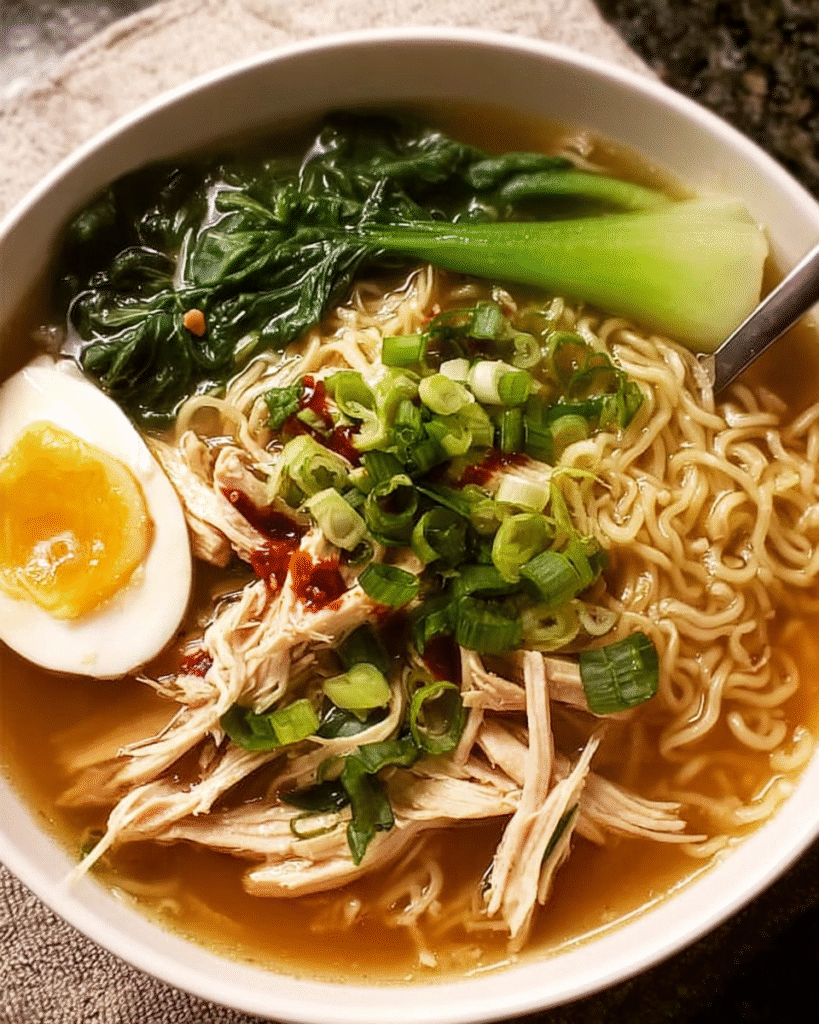
Remove the garlic and ginger pieces from the broth. Divide the noodles between two bowls, top with 1 cup of shredded cooked chicken breast and the blanched bok choy. Pour the hot broth over each bowl evenly.
5. Garnish and Serve:
Sprinkle thinly sliced green onions over the top (optional). For added heat, serve with chili paste or fresh chopped chilies on the side. Enjoy immediately while hot.
For a meal plan, pair it with dishes like pea and ham soup or a hearty vegetable beef soup to offer variety throughout the week.
Tips for Variation and Personalisation
This recipe is endlessly flexible. Swap chicken for tofu or beef for a different flavor profile. Use rice noodles for a gluten-free version or go spicy by stirring in a spoon of chili oil. Want it vegetarian? Use mushroom broth and skip the meat entirely — the umami still shines.
You can also add extras like shiitake mushrooms, corn, or a soft-boiled egg. These additions don’t just enhance taste — they add texture and nutritional value. Chinese noodle soup welcomes creativity. As long as you balance the broth, noodle, and topping, your bowl will always satisfy.
The Significance of Chinese Noodle Soup in Cuisine
Popular Noodle-Soup Dishes in China
Chinese noodle soup isn’t just a meal — it’s a culinary symbol with deep roots across regions. From the hearty bowls of Lanzhou beef noodle soup in the northwest to the light wonton soups of Cantonese kitchens in the south, each province has its signature version. These noodle soups aren’t trends; they’re everyday staples with heritage.
Lanzhou beef noodle soup, for example, is known for its clear beef broth, hand-pulled noodles, and slices of beef shank. Over in Sichuan, the soups might carry a spicy kick with chili oil and peppercorns. Coastal areas use seafood-based broths, integrating shrimp or fish balls with vermicelli. The diversity is vast, yet all versions reflect the same goal: comfort, nourishment, and cultural identity.
Even modern takes or fusion bowls, like miso-based noodle soups or Vietnamese-Chinese hybrids, still carry echoes of the classic Chinese noodle soup form — proving its adaptability and timeless appeal.
The Comfort-Food Factor — Why We Crave It
What makes Chinese noodle soup such a universal favorite? It hits all the right notes: a warming broth that soothes, noodles that satisfy, and a subtle mix of flavors that keep each bite interesting. Unlike heavier stews or cream-based dishes, this soup offers lightness without sacrificing richness — ideal for sick days, rainy evenings, or quick weekday dinners.
Culturally, it’s often associated with healing and care. A bowl served by a parent or grandparent carries emotional weight. The gentle aroma of ginger, the silky noodles, the act of slurping broth — these are small rituals that calm and ground us.
Noodle soup isn’t just food. It’s an expression of love, tradition, and simplicity. It gives us a way to reconnect — with culture, family, or simply ourselves during a quiet meal.
How to Serve and Enjoy It the Right Way
There’s no rigid protocol for eating Chinese noodle soup, but a few simple tips can elevate your experience. Always serve the soup piping hot — the broth’s aroma and flavor are most vibrant right off the stove. If entertaining, prepare toppings buffet-style, letting guests build their own bowls.
Accompaniments like chili oil, soy sauce, black vinegar, or fresh lime wedges let diners customize to taste. Serve with a porcelain spoon and chopsticks if available — this allows for sipping and slurping in the traditional style.
And finally, pair it wisely. A light side salad or dumplings round out the meal without overpowering the soup. With simple rituals like these, a humble bowl becomes a memorable, comforting dining experience
FAQS
What’s in Chinese noodle soup?
A traditional Chinese noodle soup includes a clear, seasoned broth — often chicken-based — combined with cooked noodles, leafy greens like bok choy, and a protein such as shredded chicken, tofu, or pork. Garlic, ginger, and light soy sauce are common aromatics, and garnishes like green onions or sesame oil enhance flavor.
What is the famous Chinese soup?
One of the most famous Chinese soups is Lanzhou beef noodle soup, known for its hand-pulled noodles and aromatic beef broth. However, wonton soup and spicy Sichuan noodle soups are also widely recognized and celebrated. Each region in China has its own iconic variation of noodle soup.
What is the Chinese noodle dish called?
The term “noodle soup” translates generally to miàn tāng (面汤) in Chinese. However, specific dishes have their own names — like dàndàn miàn (担担面), niú ròu miàn (牛肉面) for beef noodle soup, or yún tūn miàn (云吞面) for wonton noodles. Each name reflects ingredients or preparation style.
What are the best Chinese noodles for soup?
Fresh egg noodles are ideal for Chinese noodle soup thanks to their springy texture and quick cook time. Thin wheat noodles, hand-pulled noodles, and rice vermicelli are also great choices, depending on the broth and overall soup style. The goal is to use noodles that maintain bite and soak up flavor without turning mushy.
Conclusion
Chinese noodle soup isn’t just a dish — it’s a warm, nourishing experience shaped by tradition and simplicity. From its flavorful broth to customizable toppings and quick preparation, it offers both comfort and versatility. Whether you follow the classic chicken version or create your own variation, you’re crafting more than a meal — you’re continuing a timeless culinary ritual.
With the insights and step-by-step guide in this article, you’re ready to bring the taste of Chinese kitchens into your home in just 15 minutes. Let each bowl be a reminder: great flavor starts with simple, thoughtful ingredients.
For more successful recipes, you can visit our Facebook page or our Pinterest account