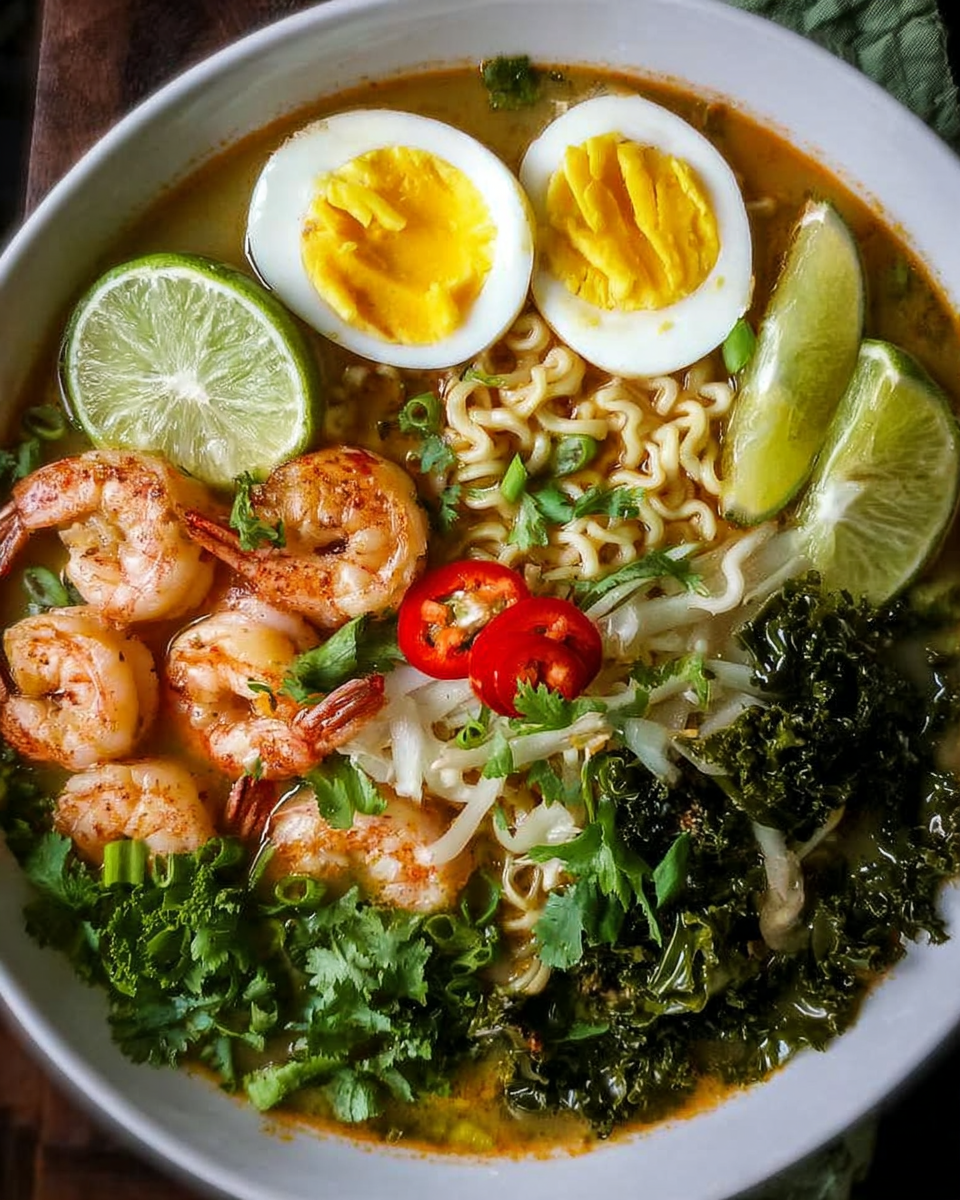
Coconut Lime Shrimp Ramen (Ultimate Guide + Slow Cooker, Stovetop & Instant Pot)
The rich, aromatic profile of Coconut Lime Shrimp Ramen delivers comfort, balanced heat, and bright citrus depth in every bowl. This recipe brings together luxurious broth, springy noodles, and tender shrimp in a way that feels bold yet effortless. Whether you prefer slow cooking for maximum flavor, stovetop for convenience, or Instant Pot for speed, the result is always a memorable, restaurant-quality meal.
Print
Coconut Lime Shrimp Ramen (Ultimate Guide + Slow Cooker, Stovetop & Instant Pot)
- Total Time: Up to 6 hours 45 minutes
- Yield: Serves 6
Description
Rich, fragrant ramen with coconut water, lime, shrimp, kale, and bold aromatics.
Ingredients
2–3 pounds shrimp (peeled and deveined)
6 cups vegetable or seafood broth
1 quart coconut water
1/3 cup soy sauce or tamari
1/4 cup fermented chili sauce
1/4 cup tahini
2 yellow onions, minced
6 garlic cloves, minced
1 tablespoon fresh ginger, minced
1/3 cup fresh lime juice
5 cups kale, chopped
Dry ramen noodles (any style)
Chopped green onions
Chopped cilantro
Lime wedges
Fermented pepper slices
Soft-boiled eggs (optional)
Instructions
1. In the slow cooker bowl, combine chili sauce, tahini, onions, garlic, ginger, and lime juice.
2. Pour in broth, coconut water, and soy sauce. Cover and cook on low for 6 hours.
3. Turn to high. Stir in kale and shrimp. Cook uncovered for 3 minutes until shrimp is opaque.
4. Taste and adjust with salt or extra chili sauce.
5. Soften ramen noodles in boiling water, drain, and divide into bowls.
6. Optional: Boil eggs 7–8 minutes, chill, peel.
7. Ladle hot broth with shrimp and kale over noodles.
8. Top with cilantro, green onions, optional egg halves, pepper slices, and lime wedges.
9. For stovetop: sauté aromatics, simmer 2 hours, add kale and shrimp 3 minutes.
10. For Instant Pot: pressure cook 15 minutes, natural release, add kale and shrimp 3 minutes.
Notes
Keep noodles separate until serving for best texture. Adjust lime for brightness. Use tamari for gluten-free.
- Prep Time: 45 minutes
- Cook Time: 3–6 hours
- Category: Soups
- Method: Slow cooker, stovetop, or Instant Pot
- Cuisine: Asian-Inspired
Coconut Lime Shrimp Ramen Flavor Profile & Broth Foundations
Why Coconut and Lime Create Balanced Depth
The creaminess of coconut water and the sharp brightness of fresh lime juice create a broth with both richness and clarity. This blend supports delicate seafood flavors while keeping the dish light. The lime cuts through the coconut’s natural sweetness, bringing lively acidity that transforms the broth into something vibrant.
Building Aromatics for Shrimp Ramen Broth
Aromatics shape the base of this dish. Minced onions, garlic, and ginger deliver the structure that helps every ingredient shine. When they cook low and slow, they infuse the broth with warmth and unmistakable character. Combining chili sauce and tahini adds complexity, giving the broth a velvety body that supports noodles and shrimp without overpowering them.
How Chili and Tahini Shape Authentic Coconut Lime Shrimp Ramen Notes
Fermented chili sauce contributes tang and heat, while tahini offers roundness and a subtle nuttiness. These two ingredients act as balancing forces, tying together citrus, greens, and seafood. Their harmony results in a broth that remains bold but never heavy, perfect for ladling over ramen noodles.
Essential Ingredients for Coconut Lime Shrimp Ramen Success
Choosing the Right Shrimp for Coconut Lime Shrimp Ramen
Fresh, peeled, deveined shrimp ensure clean flavor and tender texture. Medium or large shrimp work best because they cook quickly and hold their structure in simmering broth. Avoid overcooking; three minutes is all they need to become opaque and juicy.
Broth Components: Coconut Water, Stock, and Seasoning Layers
Vegetable or seafood broth provides the savory backbone. Coconut water introduces gentle sweetness, while soy sauce or tamari contributes depth with umami. Lime juice awakens every aroma, making the ramen taste fresh and invigorating. Every element works together to create a powerful broth that defines this dish.
Ramen Noodles, Toppings, and Fresh Garnishes
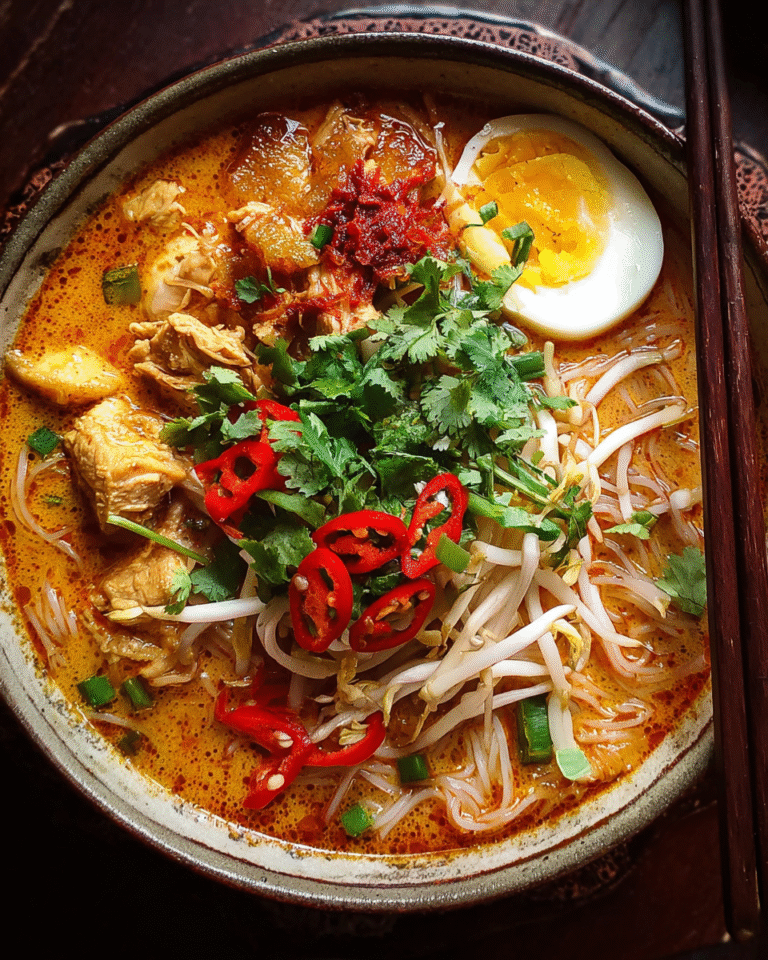
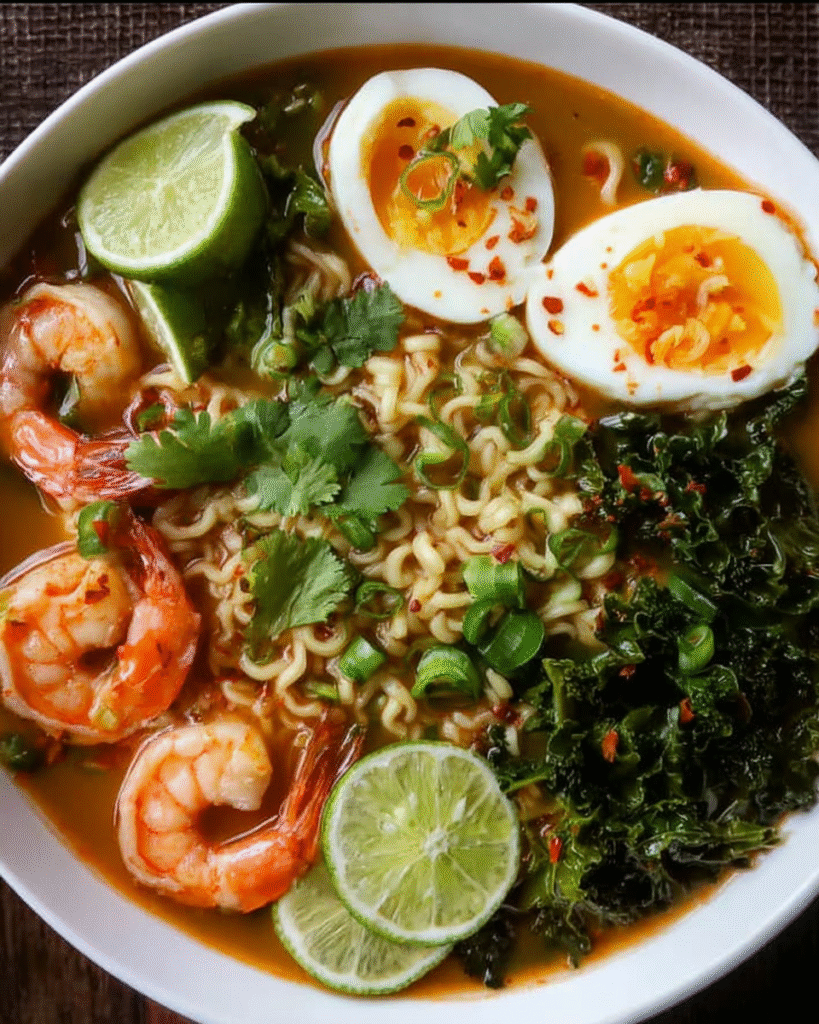
Dry ramen noodles without pork flavoring keep the dish adaptable. Kale gives structure and nutrients, while cilantro, green onions, and fermented pepper slices add color and zest. Optional soft-boiled eggs enhance richness and make the bowl more satisfying. Lime wedges let each person customize the brightness of their meal.
Cooking Methods for Coconut Lime Shrimp Ramen
Slow Cooker Coconut Lime Shrimp Ramen Method
The slow cooker delivers intense, layered flavor. Combine the chili sauce, tahini, onions, garlic, ginger, and lime juice. Pour in the broth, coconut water, and soy sauce. As it simmers on low for six hours, the aromatics soften and blend, creating an incredibly fragrant base. Turning the heat to high before adding kale and shrimp ensures they remain vibrant and tender.
Stovetop Variation for Faster Cooking
The stovetop method provides full flavor in a shorter period. Sauté the aromatics first to bloom the spices, then simmer the liquids on medium heat for two hours. This produces a broth that is slightly lighter but still full-bodied. The shrimp cook quickly once they hit the simmering broth, staying plump and delicate.
Instant Pot Instructions for Efficiency
The Instant Pot cuts the cooking time dramatically. Pressure cooking the broth for fifteen minutes extracts flavor rapidly. A natural release keeps the aromatics balanced. Using the sauté function at the end allows quick cooking of kale and shrimp while preserving their texture. This method works especially well when you need a comforting meal without extended preparation.
Serving, Plating & Pairing Ideas
Best Bowls, Garnishes, and Presentation Styles
Wide bowls let the noodles spread evenly, creating a beautiful canvas for toppings. Layer garnishes thoughtfully—green onions for height, cilantro for aroma, lime wedges for color. The contrast between creamy broth and bright herbs enhances the visual appeal and invites diners to dive in.
How to Serve with Sides like Soup Pairings
The flavors of this ramen pair well with lighter soups that showcase vegetables or gentle sweetness. For a warm, seasonal companion, consider serving it with this comforting roasted parsnip soup with apples. If you want a vibrant, uplifting side, this fragrant carrot ginger coconut curry soup complements the citrus and chili elements of the ramen.
Storage and Reheating Without Affecting Texture
Store broth and noodles separately for best results. The broth keeps well for up to three days, while noodles should be prepared fresh for ideal texture. Reheat broth on the stovetop until piping hot, then pour over warmed noodles to recreate a just-cooked feel.
Ingredient Swaps, Adjustments & Dietary Tips
Flavor Variations for Spicy or Mild Coconut Lime Shrimp Ramen
Increase or decrease the fermented chili sauce to adjust heat levels. Add more lime juice for extra brightness or more tahini if you want deeper richness. Fresh chili slices or chili oil can create a fiery version for those who crave bold spice.
Gluten-Free, Low-Sodium & Pescatarian Adjustments
Use gluten-free tamari and gluten-free noodles to accommodate dietary restrictions. For lower sodium, reduce soy sauce and replace part of the broth with unsalted stock. This ramen fits naturally into a pescatarian diet thanks to its seafood base and clean ingredient list.
How to Replace Noodles, Greens, and Chili Elements
Rice noodles, udon, or buckwheat noodles offer excellent alternatives. Swap kale for spinach or Swiss chard for softer texture. Use mild chili sauce or red pepper paste for a different flavor profile that still complements the broth.
Related Recipes & Internal Link Integration
When to Pair Coconut Lime Shrimp Ramen with Roasted Parsnip Soup
The earthy sweetness of roasted parsnips creates a beautiful contrast to this ramen’s citrus and chili undertones. When serving a multi-course meal, offering roasted parsnip soup first sets a warming, inviting tone.
How Carrot Ginger Soup Complements Lime-Based Broths
Carrot and ginger add natural sweetness and aromatic lift. A bowl of carrot ginger soup served alongside the ramen highlights citrus notes and introduces a silky texture that pairs well with noodle dishes.
Additional Asian-Inspired Soup Pairings
This ramen works with lighter miso soups, bright vegetable broths, or delicate coconut-based soups. Each pairing allows the dominant flavors of lime, chili, and shrimp to stand out while adding balance to the meal.
FAQs
Lime chili shrimp ramen recipe — what makes it unique?
This style of ramen stands out because it blends citrus, heat, and creamy broth elements seamlessly. The result is refreshing yet bold, with shrimp providing natural sweetness that enhances the chili-lime balance.
How to make a lime ramen recipe taste richer?
Simmer aromatics longer, add more tahini for body, or incorporate additional broth. Using high-quality shrimp also boosts the overall depth.
Can shrimp be substituted without losing flavor?
Firm white fish or scallops work well. They absorb broth quickly and remain tender, making them suitable replacements for shrimp.
What noodles work best beyond classic ramen?
Rice noodles, soba, and wheat-based noodles all perform well. Choose the texture you prefer while keeping the broth’s delicate balance in mind.
Conclusion
Key Takeaways
A bowl of this ramen brings together bright acidity, rich broth, and tender seafood. Its versatility in cooking methods makes it accessible for any kitchen.
Ideal Occasions for Serving
Serve it on cool evenings, during gatherings, or whenever you want an impressive meal with layered flavors.
Final Tips for Perfecting the Dish
Add shrimp at the very end, adjust lime to taste, and keep noodles separate until serving for the best texture.
For more successful recipes, you can visit our Facebook page or our Pinterest account