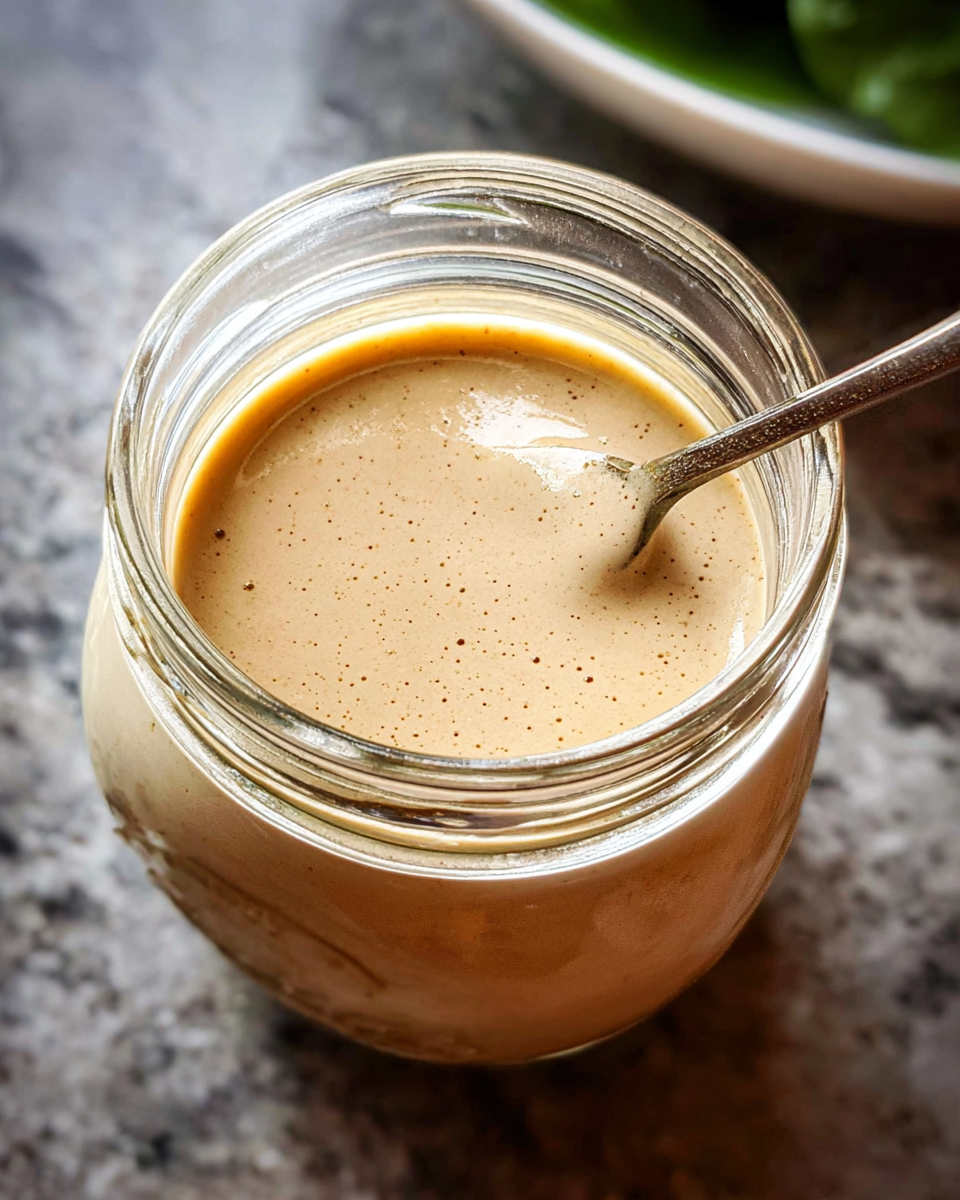
Creamy Balsamic Dressing Recipe – Delicious & Versatile
Introduction:
There’s something magical about the balance of tangy and smooth in a creamy balsamic dressing. It transforms a simple salad into a gourmet experience and adds richness to roasted veggies, grain bowls, and more. In this guide, you’ll discover how to make this luscious dressing from scratch, why it’s different from a classic vinaigrette, how to customize it to fit vegan or lighter diets, and how to store it properly. Whether you’re elevating a weeknight salad or prepping a dressing that doubles as a dip, this is one you’ll return to again and again.
Creamy Balsamic Dressing Recipe – Delicious & Versatile
- Total Time: 10 minutes
- Yield: 8 servings
Description
- Creamy balsamic dressing brings rich, tangy flavor and smooth texture to salads, grain bowls, and more. Easy to make in 10 minutes and customizable.
Ingredients
-
1/2 cup plain Greek yogurt (low fat or full fat)
-
2 tablespoons mayonnaise
-
3 tablespoons balsamic vinegar
-
1 tablespoon olive oil
-
2 teaspoons Dijon mustard
-
1/2 teaspoon garlic powder
-
Salt and freshly ground black pepper, to taste
Instructions
-
In a mixing bowl, combine Greek yogurt, mayonnaise, balsamic vinegar, olive oil, Dijon mustard, and garlic powder.
-
Whisk everything together until the dressing is smooth and creamy.
-
Taste and adjust with salt and pepper if needed.
-
Transfer to a jar or airtight container. Store in the refrigerator for up to 5–6 days. Stir or shake before using if the dressing separates.
- Prep Time: 10 minutes
- Cook Time: 00 minutes
- Category: Healthy Salad Recipes
- Method: Whisking
- Cuisine: American
Table of Contents
Understanding Creamy Balsamic Dressing
What is creamy balsamic dressing?
Creamy balsamic dressing is a luscious twist on the classic vinaigrette. Instead of relying solely on oil and vinegar, it incorporates a creamy element—like Greek yogurt or mayonnaise—to create a thicker, richer texture. This makes it perfect for those who enjoy a more indulgent mouthfeel while still craving that unmistakable tang of balsamic vinegar. The added creaminess doesn’t overpower the balsamic’s sharp sweetness; instead, it rounds out the flavor profile, making it ideal for salads, grain bowls, and even as a dipping sauce. It’s this synergy that has turned creamy balsamic into a staple for modern kitchens.
Key ingredients and how they work
Each component in this dressing plays a crucial role. The balsamic vinegar offers acidity and subtle sweetness, anchoring the flavor. Olive oil provides a silky finish and healthy fats. Greek yogurt introduces tang and creaminess without heaviness, while a touch of mayonnaise amplifies that velvety consistency. Dijon mustard not only adds a hint of sharpness but also acts as a natural emulsifier, binding the oil and vinegar together. Garlic powder introduces a mellow depth, and salt and pepper balance everything. Together, these ingredients create a dressing that’s bold yet balanced, with just enough richness to feel satisfying but not overwhelming.
Why you’d choose creamy over a classic vinaigrette
There are times when a vinaigrette simply feels too light, especially when you’re working with hearty greens, grains, or roasted vegetables. That’s where creamy balsamic dressing excels. Its thicker consistency clings better to ingredients, ensuring every bite is well-coated and flavorful. It also adds body, making salads feel more like complete meals. Plus, it serves as a flavorful alternative to mayonnaise in wraps or sandwiches. Whether you’re aiming for a healthier take on creamy dressings or just want to try something different, this variation gives you the best of both flavor and texture.
Making the Basic Creamy Balsamic Dressing
Step-by-step preparation
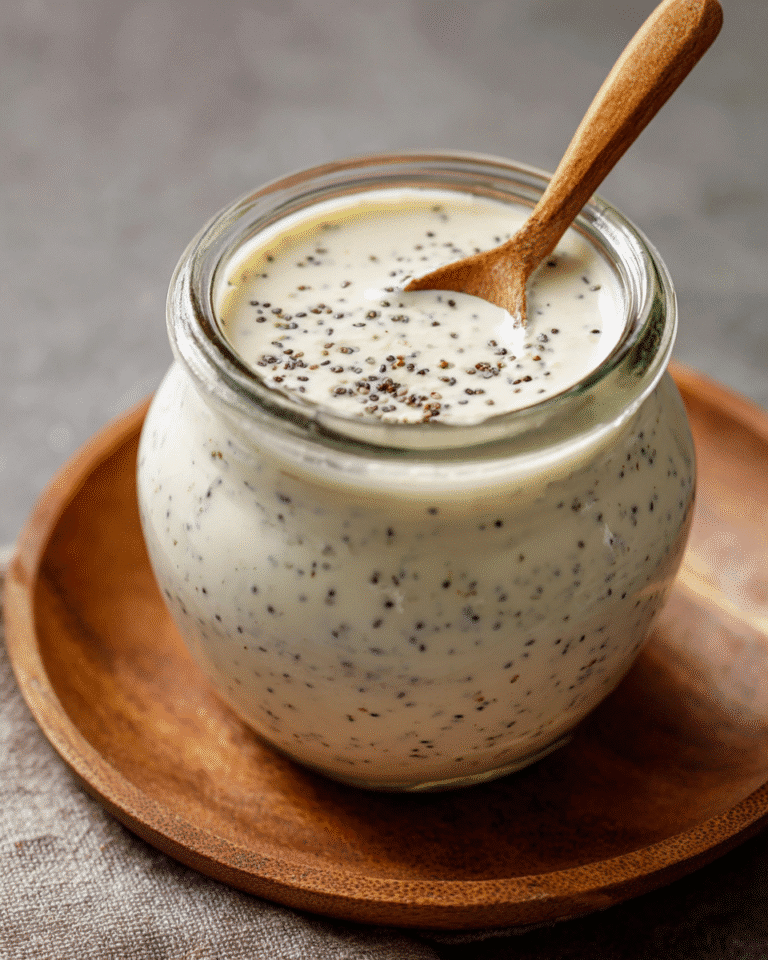
Crafting a delicious creamy balsamic dressing at home takes just minutes. Begin by gathering your ingredients: ½ cup plain Greek yogurt, 2 tablespoons mayonnaise, 3 tablespoons balsamic vinegar, 1 tablespoon olive oil, 2 teaspoons Dijon mustard, and ½ teaspoon garlic powder. Add everything to a mixing bowl. Using a whisk, blend until smooth and completely emulsified. You should see a uniform, creamy consistency without streaks of oil or vinegar. Finish by seasoning with salt and freshly ground black pepper to taste. For optimal freshness, transfer the dressing to an airtight jar and refrigerate it until ready to use.
Tips for optimal texture and flavour
The texture and flavor of your creamy balsamic dressing can vary depending on your technique and ingredient quality. For a smoother, more cohesive dressing, whisk the ingredients thoroughly, or blend them using a mini food processor. Use a high-quality balsamic vinegar—it greatly influences the depth of flavor. To avoid overpowering bitterness, don’t skip the mayonnaise; even a small amount enhances the richness. Taste as you go, and if the dressing feels too tangy, a teaspoon of honey or maple syrup can soften the acidity without compromising balance. Always chill the dressing for at least 30 minutes before serving to let flavors meld.
Quick variant using the recipe you provided
Your provided recipe is a fantastic balance of creaminess and tang. It keeps the fat content lower than traditional creamy dressings while still achieving a velvety texture. By using Greek yogurt as the base, it boosts protein and gives the dressing a thick consistency. The mayonnaise adds subtle richness, and Dijon mustard keeps it sharp. This version is especially well-suited for Mediterranean-style salads or drizzled over roasted vegetables. It’s also adaptable—try it with added herbs like basil or thyme for a personalized twist. For everyday use, this recipe is a reliable go-to that’s healthier without sacrificing taste.
Creative Uses & Pairings for Creamy Balsamic Dressing
Salads that shine with this dressing
The velvety texture of creamy balsamic dressing makes it a standout addition to a variety of salad styles. One standout pairing is an arugula and pear salad, where the dressing’s tangy-sweet notes perfectly complement the sharpness of arugula and the juicy softness of pear. Add some toasted walnuts and a bit of blue cheese, and the flavors really come alive. For another winning combo, try it with a spinach salad that includes strawberries, almonds, and goat cheese. It’s also an ideal match for the Mediterranean White Bean Salad, adding richness without overpowering the fresh ingredients.
Beyond greens: roasted veggies, grain bowls & more
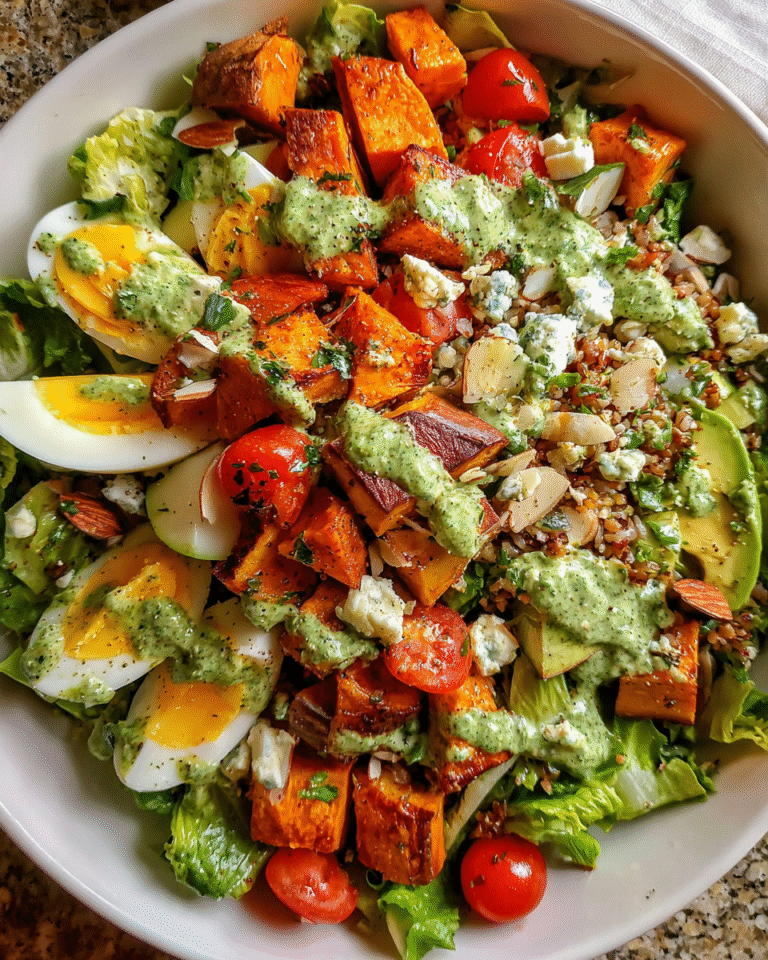
This dressing isn’t limited to leafy greens—it’s just as powerful drizzled over warm, roasted vegetables. Think caramelized Brussels sprouts, roasted sweet potatoes, or grilled zucchini. Its creamy consistency clings beautifully to each bite, enhancing both texture and flavor. You can also use it in grain bowls—try it with quinoa, farro, or brown rice mixed with chickpeas, roasted peppers, and herbs. It even works as a sandwich spread alternative or dipping sauce for baked falafel. The richness balances out sharper or earthier components, offering a flexible way to level up everyday meals.
Complementary flavours & ingredient synergies
Pairing creamy balsamic dressing with the right ingredients enhances both the dressing and the dish. Its tangy depth works especially well with sweet elements like dried cranberries, fresh figs, or roasted butternut squash. Crunchy textures—such as pumpkin seeds, pecans, or toasted chickpeas—provide a satisfying contrast. Creamy cheeses like feta, goat cheese, or burrata amplify the indulgence, while bitter greens like radicchio or endive create a beautiful flavor tension. These combinations highlight the versatility of this dressing and make each bite more interesting. Use this knowledge to configure your own personalized salads or bowls that feel both balanced and bold.
Storage, Shelf Life & Safety of Creamy Balsamic Dressing
How long can you store this dressing?
Since this dressing contains both Greek yogurt and mayonnaise, proper storage is essential for maintaining freshness and food safety. Once prepared, it should be stored in an airtight container—preferably a glass jar—in the refrigerator. Under ideal conditions, it stays fresh for up to 5–6 days, as your original recipe suggests. Be sure to label your container with the date it was made, and always give it a good stir or shake before using, as some natural separation may occur. Keeping it chilled below 40°F ensures the texture remains stable and the flavors stay vibrant.
Can you freeze creamy balsamic dressing?
Although freezing might seem like a convenient option, it’s not recommended for creamy balsamic dressing. The emulsion created by yogurt, mayonnaise, and oil tends to break apart when frozen, leading to a watery, grainy consistency upon thawing. This is due to the different freezing points and water content of the ingredients. Once defrosted, the dressing often becomes visually unappealing and texturally unpleasant, making it less effective in your recipes. Instead, prepare only the amount you’ll use within a week or consider scaling the recipe down for smaller batches if needed.
Signs of spoilage & best storage practices
Knowing when your dressing has gone bad is key to food safety. If it develops an off smell—sour or overly sharp—or shows signs of discoloration, separation that doesn’t remix, or visible mold, it’s best to discard it immediately. To reduce the risk of contamination, always use a clean spoon when scooping it out, and never dip food directly into the storage container. Keeping your dressing in the coldest part of the fridge, rather than the door, also helps extend its shelf life. Following these practices ensures your creamy balsamic dressing remains safe, flavorful, and ready to enjoy.
Variations & Customisations of Creamy Balsamic Dressing
Lightened or dairy-reduced versions
Looking to cut calories or reduce dairy without losing flavor? You can easily lighten up creamy balsamic dressing by adjusting the base ingredients. Swap full-fat Greek yogurt for low-fat or fat-free versions to reduce overall fat content. Another effective approach is decreasing the amount of mayonnaise or skipping it altogether. The dressing still maintains a nice body with just yogurt, though the texture becomes slightly tangier. You can also replace part of the olive oil with water or plant-based milk to reduce richness while keeping the emulsion intact. These minor tweaks help maximize nutrition without compromising taste.
Vegan or dairy-free adaptation
Creating a vegan version of creamy balsamic dressing is remarkably simple. Just substitute Greek yogurt with a plant-based alternative like unsweetened almond, soy, or coconut yogurt. For the mayo, opt for a good-quality vegan mayonnaise. Make sure your balsamic vinegar is vegan-certified, as traditional production methods may sometimes use animal-derived agents during aging. When combined with Dijon mustard and garlic powder, the flavor remains bold and smooth. This version retains the same versatility and richness as the original while fitting a plant-based diet. Whether you’re vegan or simply dairy-sensitive, this easy adaptation allows everyone to enjoy the dressing.
Flavour twists & ingredient swaps
One of the best parts about creamy balsamic dressing is how customizable it is. Want more depth? Add finely minced shallots or fresh crushed garlic instead of powder. To sweeten it naturally, stir in a teaspoon of honey or maple syrup—especially useful if your balsamic is on the sharper side. You can also infuse it with fresh herbs like basil, oregano, or thyme for a Mediterranean touch. Spice lovers can add a pinch of crushed red pepper flakes. Or swap the yogurt for sour cream or crème fraîche for a richer, more decadent profile. These swaps allow you to unlock endless flavor possibilities tailored to your taste.
Internal Links & Serving Suggestions
Pairing with specific salads
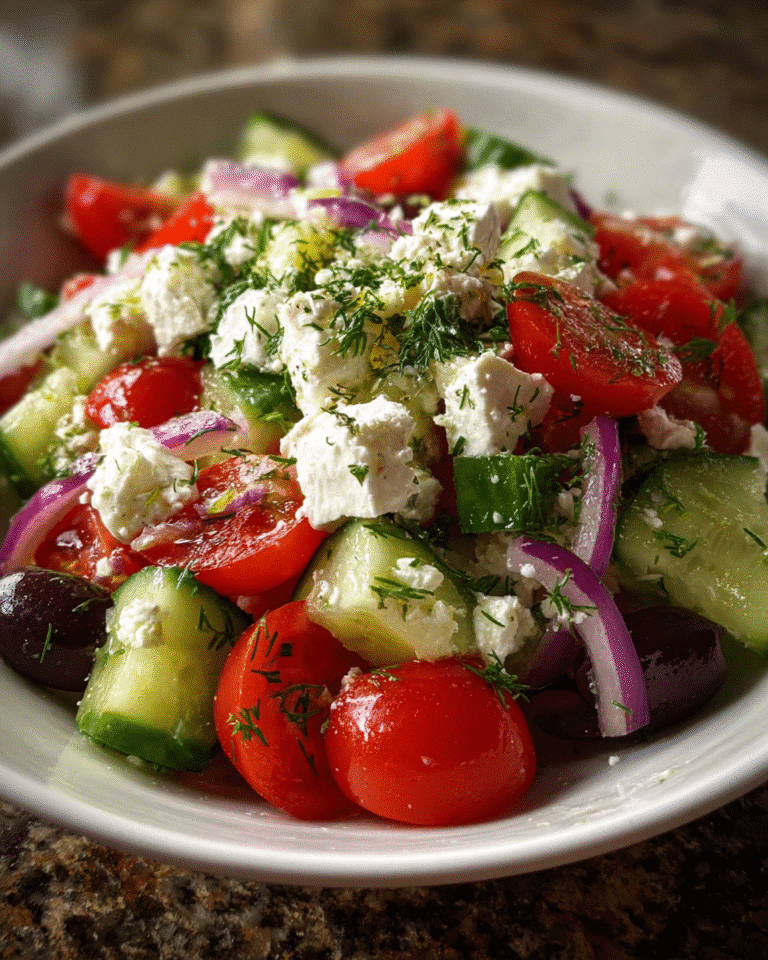
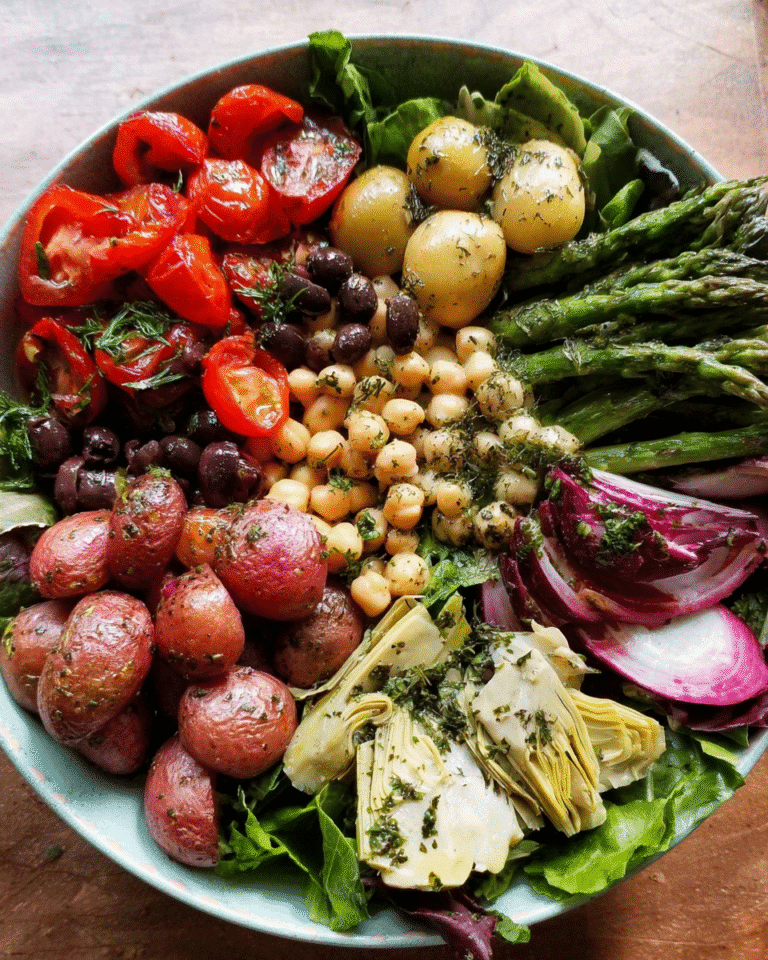
Creamy balsamic dressing is one of those versatile recipes that can upgrade nearly any salad into something extraordinary. It shines when paired with salads that balance sweet, tangy, and crunchy elements. Try drizzling it over this refreshing Arugula & Pear Salad, where the bitterness of arugula and sweetness of pear are beautifully enhanced by the dressing’s tangy creaminess. For a protein-packed lunch, this Mediterranean White Bean Salad is another excellent match. The creaminess adds depth and complements the beans, olives, and fresh herbs without overpowering their natural flavors.
Serving size & portion guidance
A little goes a long way with creamy balsamic dressing. Thanks to its thick, clingy texture, it coats ingredients evenly, meaning you don’t need to use too much. The standard serving size is about two tablespoons, and your recipe yields approximately eight servings. For a lighter drizzle, one tablespoon may suffice, especially when pairing with already rich ingredients. Always taste your salad before adding more—it’s easy to overdo it with dressings that pack this much flavor. Portion control helps keep the dish balanced while maintaining the desired texture and mouthfeel.
Presentation & finishing touches
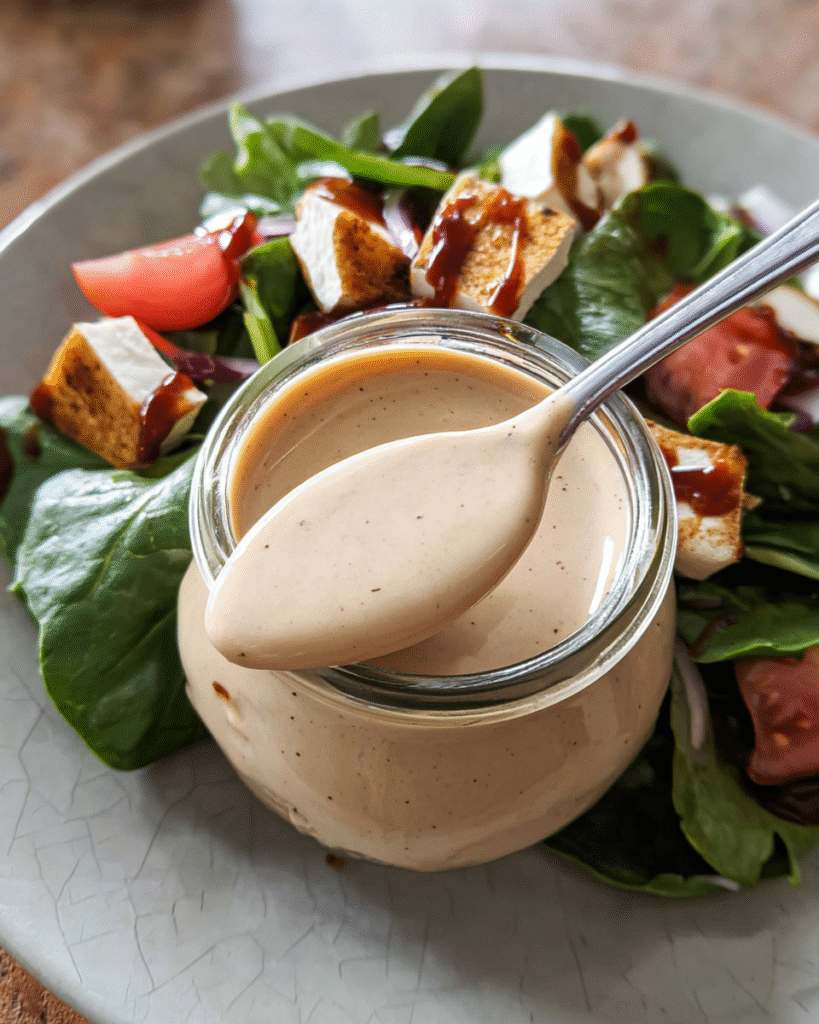
Great presentation can elevate even the simplest salad. Serve your creamy balsamic dressing in a small glass jar or carafe alongside your meal to let guests drizzle it fresh. For pre-dressed salads, consider garnishing with extra cracked pepper, toasted nuts, or finely chopped herbs right before serving. Adding bright accents like thinly sliced radishes, citrus zest, or shaved Parmesan helps create contrast and visual appeal. If you’re building grain bowls or roasted veggie platters, a generous zigzag of dressing on top provides an inviting, restaurant-quality finish that looks as good as it tastes.
FAQS
How long can I store this dressing?
Creamy balsamic dressing stays fresh for up to 5–6 days when stored in an airtight container in the refrigerator. Since it contains yogurt and mayonnaise, refrigeration is essential. Stir or shake the dressing before each use, especially if separation occurs over time. For best results, avoid dipping used utensils directly into the container, as that may introduce bacteria and shorten the shelf life. Labeling the jar with the preparation date is a helpful habit to ensure freshness.
Can I freeze creamy balsamic dressing?
It’s not advisable to freeze creamy balsamic dressing. The dairy base—Greek yogurt or mayonnaise—combined with vinegar and oil, tends to separate when frozen and thawed. This leads to a grainy, uneven texture and a broken emulsion that’s hard to fix. If you’re looking for long-term storage, it’s better to make smaller batches more frequently rather than freezing a large quantity. Freshly prepared dressing maintains both flavor and consistency better than frozen versions.
What’s the difference between a balsamic vinaigrette and a creamy balsamic dressing?
The primary difference is in both texture and composition. Balsamic vinaigrette is typically made with oil and vinegar, occasionally enhanced with mustard or herbs, and is thinner and more acidic. Creamy balsamic dressing, on the other hand, includes yogurt, mayonnaise, or both, giving it a rich, smooth texture that clings better to ingredients. Flavor-wise, vinaigrette is sharper and lighter, while creamy balsamic is mellower, richer, and more satisfying in heartier dishes.
Can I make this dressing without mayonnaise or dairy (for a vegan or lighter version)?
Absolutely. For a vegan or dairy-free version, swap out Greek yogurt with unsweetened plant-based yogurt like almond, soy, or coconut yogurt. Replace the mayonnaise with a high-quality vegan mayo or simply omit it if you prefer a tangier flavor. The result still maintains a creamy consistency and rich flavor. You may need to whisk slightly longer to get the right texture, but this version works beautifully for plant-based eaters or those looking to reduce dairy in their diets.
Conclusion
Creamy balsamic dressing is more than just a salad topper—it’s a flavor enhancer that can transform everyday ingredients into memorable meals. With its blend of tangy balsamic vinegar and rich yogurt or mayo, it offers the perfect balance of acidity and creaminess. Whether you’re dressing a light salad, complementing roasted vegetables, or experimenting with grain bowls, this versatile recipe can adapt to your needs. You’ve now discovered how to make it, tweak it, store it safely, and use it in exciting new ways. Keep this dressing in your fridge, and you’ll always have a delicious way to elevate your meals.
For more successful recipes, you can visit our Facebook page or our Pinterest account