Fall Harvest Soups to Warm You from the Inside Out
When the air turns crisp and golden leaves begin to fall, something magical happens in the kitchen. It’s the season when simmering pots and slow-roasted vegetables take center stage—and nothing captures this cozy transformation quite like fall harvest soups. These bowls of warmth bring together the rich, earthy tones of roasted squash, sweet onions, and warming spices to create comfort food that’s deeply nourishing and packed with seasonal flavor.
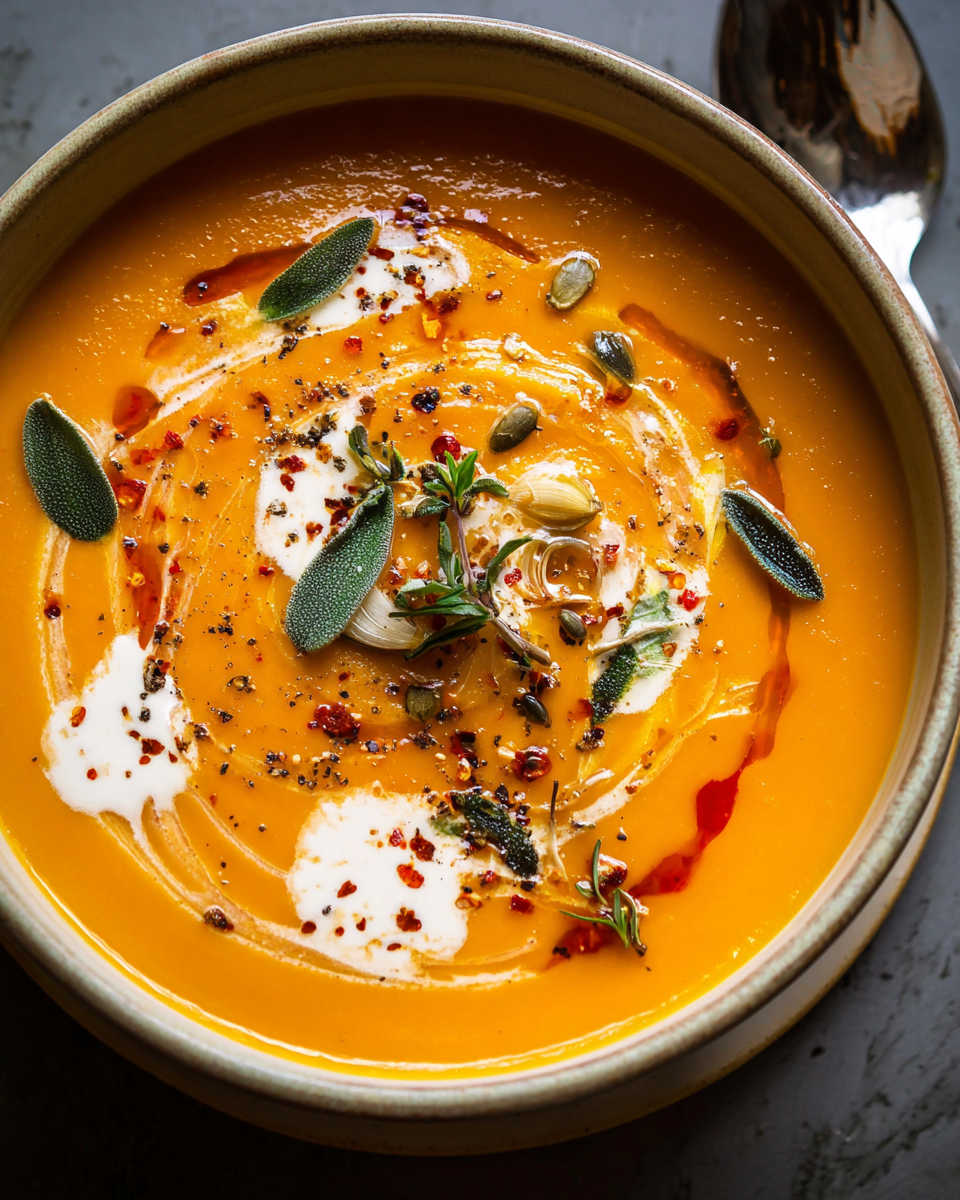
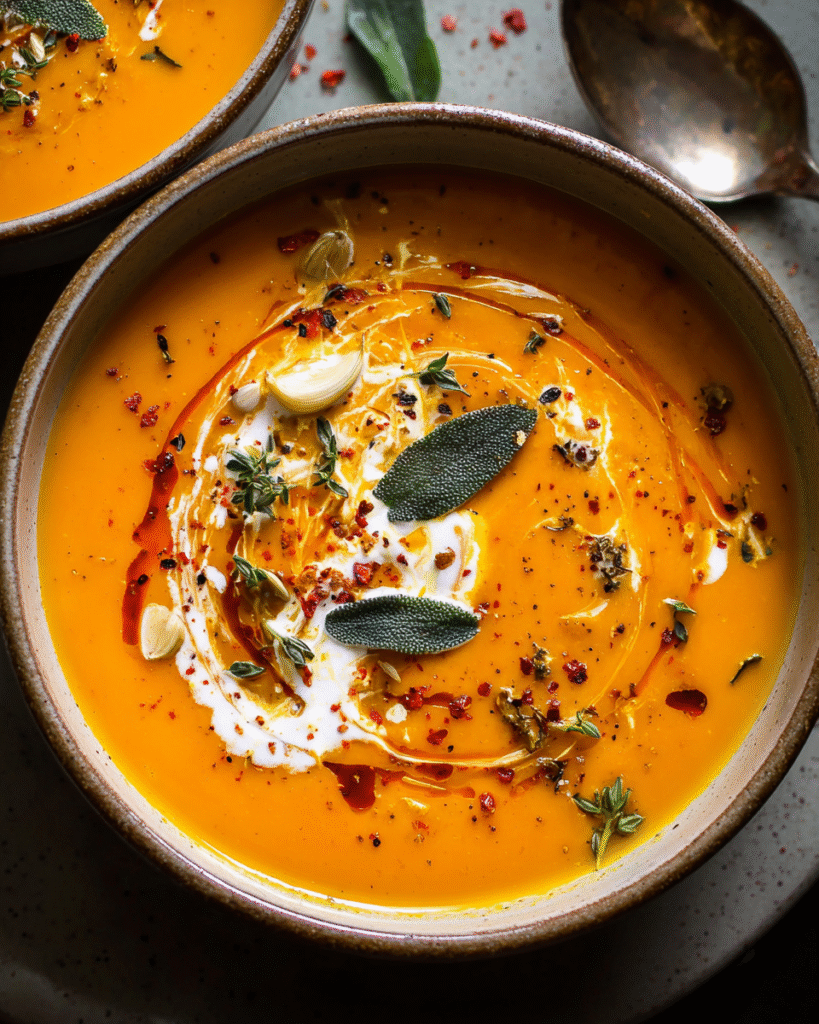
This particular soup recipe is a celebration of everything autumn has to offer. With roasted kabocha squash, bell peppers, carrots, and garlic as the base, then blended until velvety with creamy cashew milk and zesty lemon, every spoonful delivers a hug in a bowl. Whether you’re making it for a quiet dinner or meal prepping for the week ahead, this fall harvest soup is the kind of recipe that fills your kitchen with aroma and your body with goodness.
Print
Fall Harvest Soups to Warm You from the Inside Out
- Total Time: 55 minutes
- Yield: 4 servings
Description
A creamy, comforting fall harvest soup made with roasted kabocha squash, bell peppers, garlic, and warm spices. Perfect for chilly days, this dairy-free recipe is rich, flavorful, and packed with seasonal goodness.
Ingredients
For Roasting:
1 medium kabocha squash or other winter squash
2 large red bell peppers, sliced
2 large carrots, roughly chopped
1 medium sweet white onion, cut into wedges
1 bulb garlic, top sliced off
Olive oil, for drizzling
Kosher salt, to taste
For Blending & Finishing:
3 cups water (plus 1 additional cup for later)
1/2 cup cashew milk or other unsweetened creamy milk
1 tablespoon lemon juice
1 tablespoon nutritional yeast
2 teaspoons kosher salt (adjust to taste)
2 teaspoons Aleppo pepper or 1 teaspoon cayenne pepper
2 teaspoons ground cumin
2 teaspoons ground coriander
2 teaspoons dried oregano
2 to 3 tablespoons olive oil or dairy-free butter
1/4 cup finely chopped fresh sage, for garnish
Instructions
1. Preheat your oven to 450°F. Line a large baking sheet with parchment paper. Quarter the squash and lay it face down on the pan with the bell peppers, carrots, onion, and garlic bulb. Drizzle generously with olive oil and a sprinkle of kosher salt. Rub to coat everything evenly.
2. Roast for 30–35 minutes, or until all veggies are tender and beginning to char. The squash and carrots should be very soft—this is key for a smooth texture when blended.
3. Remove seeds and skin from the roasted squash to yield about 2 cups of soft flesh. Add it to a high-speed blender along with the roasted bell peppers, onion, carrots, garlic, 3 cups of water, cashew milk, lemon juice, nutritional yeast, salt, and spices (save the sage for later). Blend for about 3 minutes, gradually increasing to high speed, until smooth.
4. In a large pot, warm the olive oil or butter substitute over medium heat. Pour in the blended soup and stir in the remaining 1 cup of water. Heat through, stirring occasionally. Adjust seasoning with more salt if needed, and stir in chopped sage before serving.
5. Enjoy hot with your favorite crusty bread or a grilled cheese sandwich on the side.
Notes
For extra richness, add a splash more cashew milk when reheating. This soup stores well in the fridge for 4–5 days and freezes for up to 2 months.
- Prep Time: 10 minutes
- Cook Time: 45 minutes
- Category: Healthy Comfort Food
- Method: Roasting and Blending
- Cuisine: American
The Heart of Fall Harvest Soups
Why roasted vegetables bring out the best of the season
Fall produce tends to have a natural sweetness that intensifies when roasted. Kabocha squash, in particular, becomes beautifully caramelized in a hot oven, while bell peppers and onions take on deeper, smoky notes. Roasting draws out the richness of every vegetable, turning a simple blend into something far more complex.
What makes fall harvest soups stand out is this method of roasting before blending. It’s not just about convenience—it’s about unlocking layers of flavor. The difference between boiling vegetables and roasting them first is the difference between flat and full-bodied. And when you’re working with such peak-season produce, it’s worth every extra minute.
The nutritional power of autumn produce
Kabocha squash isn’t just tasty—it’s a powerhouse of vitamin A, fiber, and antioxidants. Carrots, garlic, and onions boost immunity, which is especially important as cooler weather settles in. These ingredients come together to form not just a delicious meal, but one that truly supports your body through seasonal shifts.
This soup fits beautifully into a vegetarian or dairy-free lifestyle without feeling like a compromise. In fact, thanks to nutrient-dense ingredients and natural creaminess from blended vegetables and cashew milk, it may just become a weekly go-to in your cold-weather rotation.
Creamy textures without dairy — a seasonal twist
Creaminess in soup often relies on heavy cream or cheese, but not here. Cashew milk creates that satisfying mouthfeel without any dairy, keeping it light yet indulgent. The use of nutritional yeast also adds a subtle cheesy flavor, giving you richness without weighing down the final dish.
The result is a silky, plant-based soup that feels comforting but still vibrant. No matter your dietary needs, fall harvest soups like this offer a bowl of satisfaction that checks all the boxes.
Building Flavor in Fall Harvest Soups
The role of spices like cumin and Aleppo pepper
Spices are the secret backbone of any great soup, and this one sings with bold yet balanced notes. Ground cumin and coriander add warmth and depth, while Aleppo pepper brings a gentle heat and a subtle fruitiness. If you can’t find Aleppo pepper, a pinch of cayenne is an excellent substitute—but the complexity of Aleppo is worth seeking out if possible.
These spices complement the sweetness of the roasted vegetables rather than overpower them. It’s all about harmony—each spoonful offering just the right amount of heat, tang, and earthiness.
How roasted garlic deepens the base
If you’ve never roasted an entire bulb of garlic, prepare to be amazed. As it roasts, the sharpness melts away, leaving behind soft, spreadable cloves with a mellow, almost buttery flavor. This roasted garlic becomes the flavor foundation for the soup, giving it a luxurious taste that seems far more complex than the ingredients list would suggest.
Blending it in with the rest of the roasted vegetables ensures you get a little of that deep umami in every single bite.
The secret finish — lemon juice and nutritional yeast
Just when you think the soup is complete, in comes the brightness. A tablespoon of lemon juice is the final flourish that lifts all the flavors and prevents the soup from tasting too heavy. It adds a touch of acidity that balances the creamy, roasted richness.
Nutritional yeast is the other unexpected hero. A small amount adds depth, umami, and even a hint of cheese flavor—making this vegan soup feel indulgent without any dairy at all.
Choosing the Right Squash for Fall Harvest Soups
Kabocha vs. butternut — what’s best for creamy soup
Both kabocha and butternut squash are popular choices for autumn soups, and for good reason. But kabocha has a few advantages: its flesh is denser, less watery, and slightly sweeter, which results in a thicker, creamier texture when blended. Butternut is an easy substitute if kabocha isn’t available, but expect a slightly lighter result.
The key is in how soft and caramelized the squash gets in the oven. When it’s fork-tender and deeply golden, it’s ready to transform into the smooth base your soup needs.
How to prep squash for roasting
Winter squash can be intimidating to cut, but with a sturdy knife and a little patience, it’s easy to handle. Quarter the squash, scoop out the seeds, and place it skin-side up on a baking sheet. Roasting it this way helps concentrate the flavor and makes the flesh easy to scoop out later.
No peeling necessary before roasting—the skin comes off effortlessly once cooked.
Tips for removing skins and seeds after roasting
Once the squash is out of the oven and cooled slightly, use a spoon to remove the soft flesh. The skins will separate easily, and you can discard the seeds or roast them separately for a crunchy topping. Aim for about two cups of cooked squash to achieve the perfect consistency for blending.
Serving and Pairing Ideas for Fall Harvest Soups
The best breads and sides to serve alongside
Soup and bread go hand in hand, and this creamy harvest bowl begs for a hearty partner. Think crusty sourdough, whole grain rolls, or even a garlicky flatbread. The richness of the soup pairs beautifully with something toasty and chewy for dipping.
A grilled cheese sandwich or an herbed focaccia adds extra texture and flavor to turn this soup into a complete, satisfying meal.
Turning soup into a meal-prep hero
Fall harvest soups are not only comforting—they’re practical. Make a big batch on Sunday and enjoy it all week. It stores well in the fridge for up to 5 days and can be frozen for longer. Reheat gently on the stove or in the microwave for a quick lunch or dinner.
Pair it with other seasonal dishes like this meal prep couscous stuffed squash for a beautifully cohesive fall menu.
Garnishes that add flair and flavor
A sprinkle of chopped fresh sage is more than decoration—it adds an aromatic punch that ties everything together. Other great garnish options include pumpkin seeds for crunch, a swirl of cashew cream, or even a drizzle of chili oil if you like it spicy.
These small touches elevate the soup from a simple blend to a stunning centerpiece.
Fall Harvest Soups for Every Diet
Making it vegan and dairy-free without compromise
Many creamy soups rely on dairy, but this one proves you don’t need it. With unsweetened cashew milk, olive oil, and a few smart ingredients like nutritional yeast, the final texture is just as luscious—and entirely plant-based.
It’s a soup that works for everyone, from committed vegans to those just looking to cut back on dairy or animal products during the cooler months.
Nutrient-rich, low-calorie comfort food
Comfort food doesn’t have to mean heavy. This soup comes in at just 210 calories per serving, with 6 grams of fiber and zero cholesterol. It’s filling, flavorful, and doesn’t leave you feeling weighed down—making it an ideal choice for those trying to eat lighter without sacrificing satisfaction.
How fall harvest soups support seasonal immunity
With ingredients like garlic, squash, and carrots—all high in antioxidants and vitamins—this soup gives your immune system a natural boost. During cold and flu season, eating nutrient-dense, homemade meals like this can make a real difference.
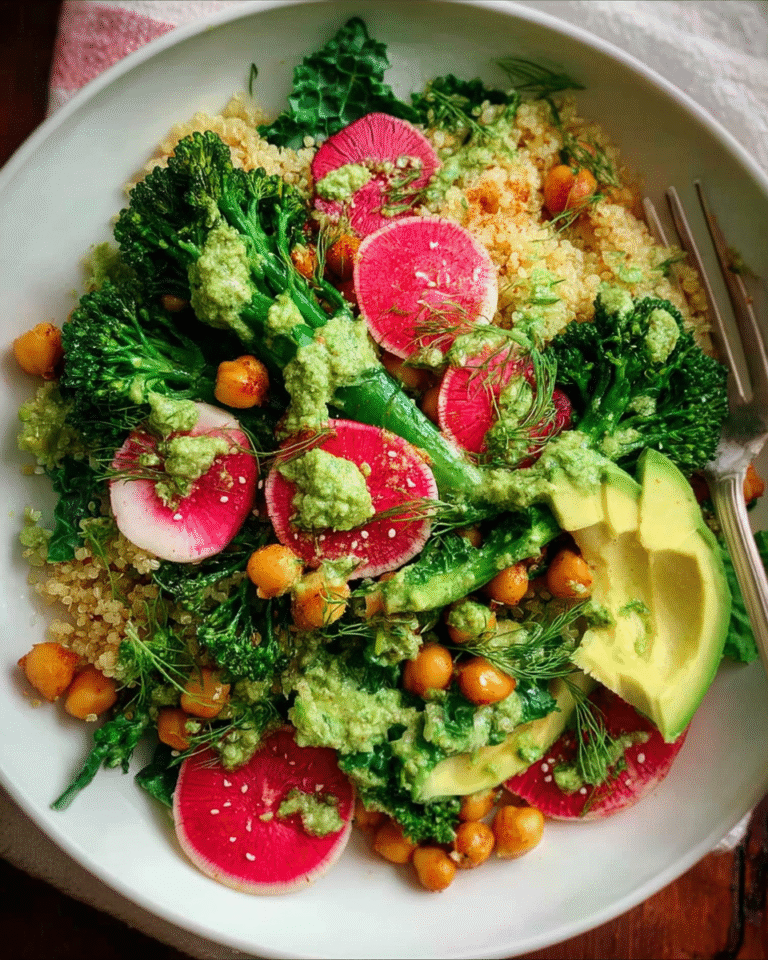
Pairing it with a vibrant side like this broccoli pesto quinoa salad adds even more green power and texture to your table.
More Fall Harvest Inspiration
Meal prep couscous stuffed squash as a perfect pairing
Both cozy and hearty, this dish complements fall harvest soups with its blend of roasted squash and warm grains. It’s a great way to stretch one cooking session into several delicious meals.
Broccoli pesto quinoa salad for a vibrant side
Fresh, herby, and packed with plant protein, this salad balances the warmth of soup with something bright and textural. It’s especially great for lunchboxes or make-ahead dinners.
Other fall-forward make-ahead meal ideas
Think roasted root vegetable bowls, spiced lentil stews, or slow-cooker apple cider braised cabbage. These are the kinds of meals that embrace the season and keep your kitchen smelling amazing.
FAQs About Fall Harvest Soups
What are some traditional autumn soups?
Classic options include butternut squash soup, potato leek soup, and roasted tomato basil. Fall harvest soups often blend root vegetables, squash, and warming spices for a seasonal touch.
What are good vegetarian autumn soup recipes?
This roasted squash and pepper blend is a great start, but you can also explore lentil soups, mushroom barley, and sweet potato chili—all naturally vegetarian and perfect for chilly nights.
How long does fall soup last in the fridge?
Most roasted vegetable soups will last 4–5 days when stored in an airtight container in the fridge. Make sure to reheat thoroughly and stir well before serving.
Can you freeze roasted vegetable soups?
Absolutely. This soup freezes beautifully. Let it cool completely, store in freezer-safe containers, and freeze for up to 2 months. Thaw overnight in the fridge and reheat on the stovetop.
Conclusion
Why fall harvest soups are the essence of the season
There’s something deeply satisfying about transforming simple autumn vegetables into a bowl of something truly comforting. Fall harvest soups remind us that seasonal eating can be easy, affordable, and absolutely delicious.
Final tips for customizing your own bowl
Don’t be afraid to experiment—swap in different squashes, try new spices, or add cooked grains for texture. The base is flexible and forgiving, perfect for using what you have on hand.
Make the most of the harvest while it lasts
Before the last of the squash disappears and the cold really sets in, take full advantage of the season’s bounty. A batch of this soup is the perfect way to savor fall, one comforting spoonful at a time.
For more successful recipes, you can visit our Facebook page or our Pinterest account