Fall Roasted Vegetable Salad: A Flavorful Seasonal Recipe to Savor
Introduction:
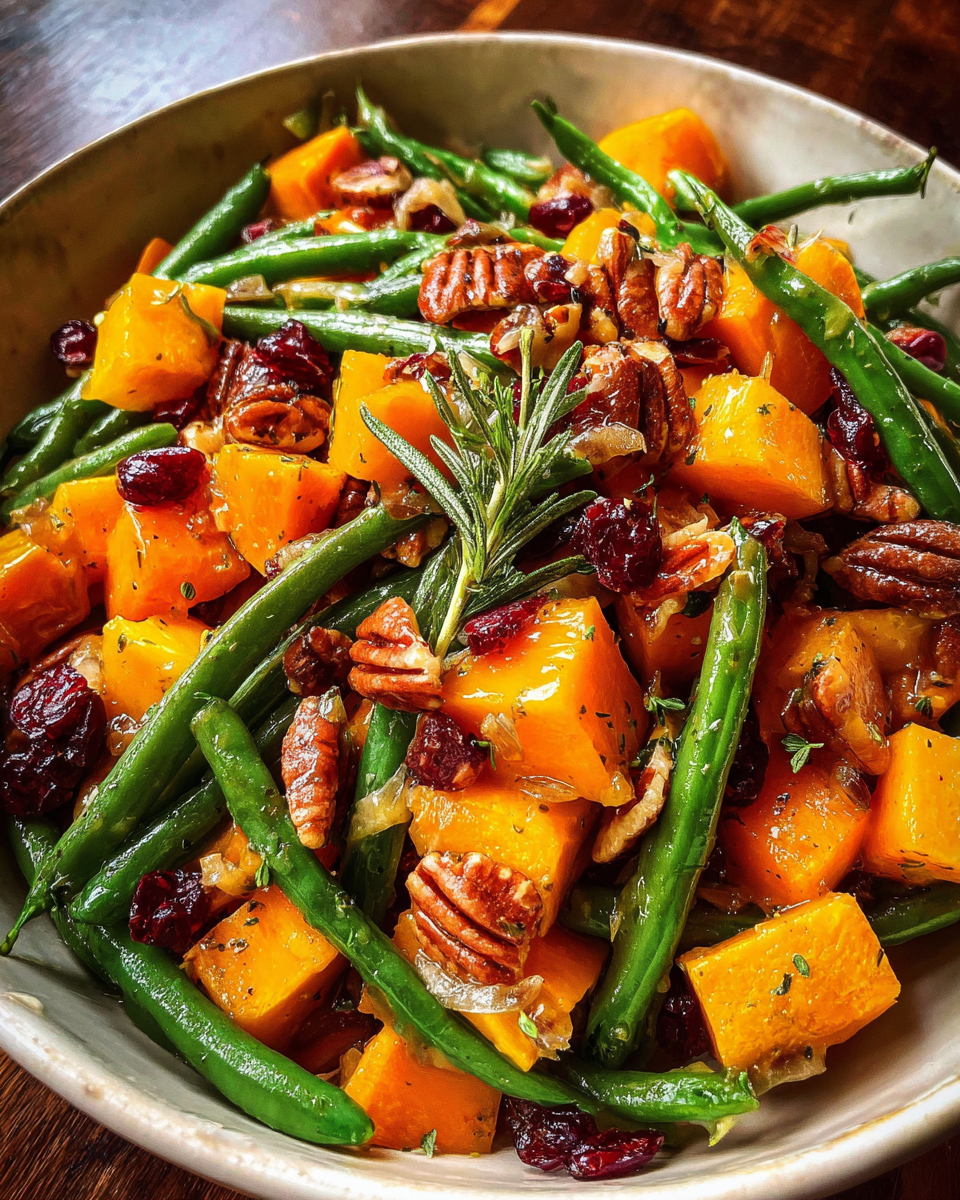
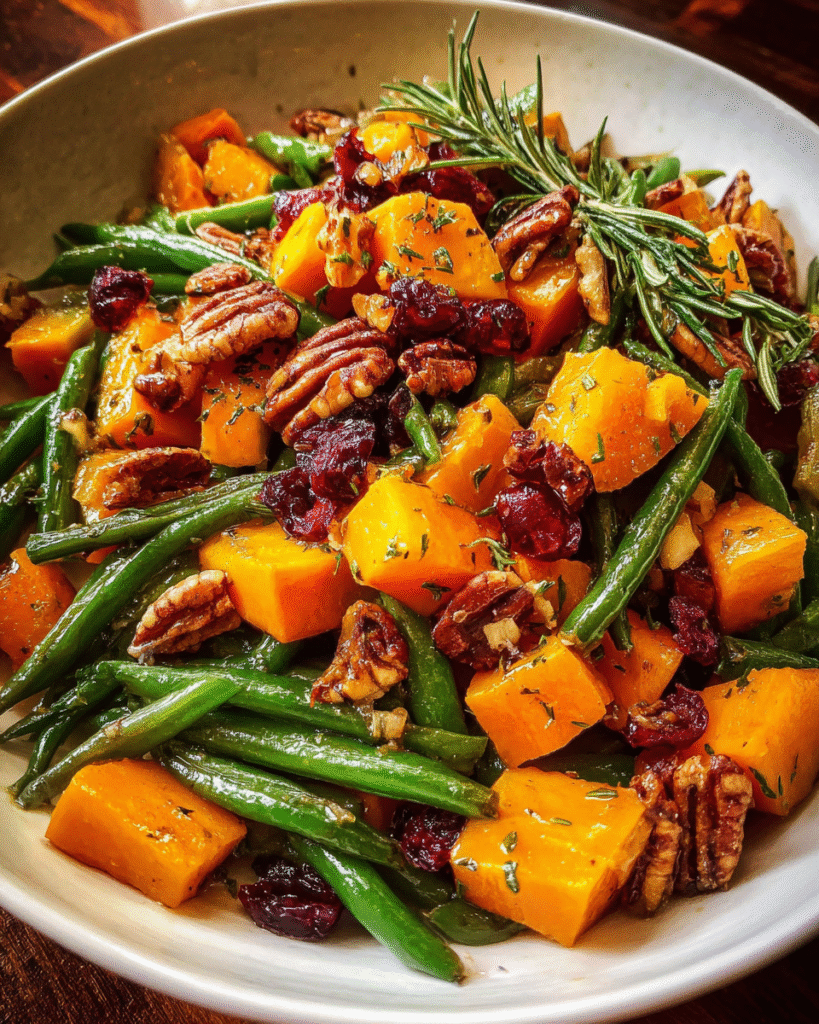
Fall Roasted Vegetable Salad captures everything we love about autumn—rich colors, comforting aromas, and deep, earthy flavors. With golden butternut squash, crisp green beans, tart cranberries, and crunchy pecans all tied together in a bright apple cider vinaigrette, this salad delivers bold seasonal character in every bite. Whether you’re planning a cozy weeknight dinner or a festive holiday menu, this recipe balances nutrition and satisfaction with minimal effort. In this guide, you’ll discover roasting tips, customizable variations, storage tricks, and health insights to make this fall salad a year-round favorite. Let’s dig into everything that makes it irresistible.
Print
Fall Roasted Vegetable Salad: A Flavorful Seasonal Recipe to Savor
- Total Time: 45 minutes
- Yield: 6 servings
Description
- Fall Roasted Vegetable Salad blends roasted squash, green beans, herbs, and vinaigrette into a bold, nutritious dish perfect for seasonal menus.
Ingredients
-
-
1 tablespoon olive oil
-
1 pound butternut squash, peeled and cubed (1-inch pieces)
-
1 pound green beans, trimmed
-
1/3 cup chopped toasted pecans
-
1/2 cup dried cranberries
-
1 teaspoon fresh thyme leaves
-
1 teaspoon finely chopped fresh rosemary
-
Apple Cider Vinaigrette (recommended):
-
-
1/4 cup apple cider vinegar
-
1 tablespoon maple syrup
-
1 teaspoon Dijon mustard
-
1/3 cup olive oil
-
Salt and pepper to taste
-
Instructions
-
Preheat your oven to 400°F.
-
On a large rimmed baking sheet, spread out the cubed butternut squash. Drizzle with olive oil and season with salt and pepper. Roast for 15 minutes.
-
Remove from oven, add the green beans to the pan, and toss with the squash. If needed, drizzle a little more olive oil to coat the beans.
-
Return the pan to the oven and roast for another 12–15 minutes, or until the squash is tender and the green beans are slightly shriveled.
-
Meanwhile, prepare the vinaigrette: whisk together apple cider vinegar, maple syrup, Dijon mustard, and olive oil. Season to taste with salt and pepper.
-
Transfer the roasted vegetables to a serving bowl. Add the cranberries, pecans, rosemary, and thyme.
-
Drizzle with the vinaigrette and gently toss to combine. Adjust seasoning if necessary.
-
Serve warm.
- Prep Time: 15 minutes
- Cook Time: 30 minutes
- Category: Seasonal and Holiday Salads
- Method: Roasting
- Cuisine: American
Table of Contents
Understanding the Foundation of a Fall Roasted Vegetable Salad
Why “Fall Roasted Vegetable Salad” Stands Out
The term Fall Roasted Vegetable Salad signals a warm, comforting dish rooted in seasonal ingredients. Unlike raw or chilled summer salads, this one leans into rich textures and roasted depth, perfectly aligned with autumn cravings. “Fall” immediately sets the tone—think golden leaves, cozy meals, and root vegetables at their peak. This isn’t just a salad; it’s a full-flavored experience anchored in seasonal simplicity and nutrient-rich ingredients. It also subtly communicates health and warmth, drawing in those who want a wholesome yet deeply satisfying side dish or vegetarian entrée.
The Power of Roasting for Salad Flavor
Roasting transforms ordinary vegetables into flavor-packed bites. The dry heat caramelizes natural sugars in ingredients like butternut squash or sweet potatoes, deepening their flavor while creating crisp edges and tender interiors. Unlike boiling or steaming, roasting enhances taste without leaching nutrients. For a Fall Roasted Vegetable Salad, this method creates dimension—smoky, sweet, and herbaceous layers that elevate every forkful. Roasting also encourages texture contrast: crisped edges, tender cores, and crunchy add-ins like pecans or toasted seeds. It’s not just a technique—it’s what gives this salad its signature personality.
Choosing Seasonal Vegetables that Shine in Fall
Building this salad begins with smart vegetable selection. Opt for autumn’s stars—like butternut squash, sweet potatoes, carrots, Brussels sprouts, and green beans. These vegetables not only roast beautifully but also echo the colors of the season. Their natural sweetness and sturdy textures complement herbs like thyme and rosemary while pairing seamlessly with tangy elements like apple cider vinaigrette. Choosing seasonal produce means fresher flavor, better value, and a stronger nutritional profile. When your ingredients are in sync with nature’s cycle, the dish practically assembles itself—warm, wholesome, and perfectly autumnal.
Essential Techniques to Roast Vegetables for Salad
Mastering How to Roast Vegetables for Salad
Perfecting a Fall Roasted Vegetable Salad begins with understanding how to roast vegetables properly. Start by preheating your oven to 400°F—a sweet spot for caramelizing without burning. Cut your vegetables into uniform 1-inch cubes to ensure even cooking. Spread them in a single layer on a large, rimmed baking sheet. Overcrowding the pan leads to steaming, not roasting, which can make the salad mushy. Lightly coat with olive oil, season with salt and pepper, and toss gently. For added aroma, consider sprinkling on herbs like thyme or rosemary right before roasting.
Knowing When Your Vegetables Are Ready
Timing makes all the difference in this salad. Butternut squash is ready when it’s fork-tender with slightly crisped edges—usually around 25–30 minutes. Green beans should have a slight char and look slightly shriveled, which develops in the final 12–15 minutes. To test, pierce a few cubes with a fork: they should offer no resistance, yet still hold their shape. Color also guides doneness. A golden hue with some darkened bits tells you the sugars have caramelized, producing that delicious roasted complexity you want in your Fall Roasted Vegetable Salad.
Timing Herbs, Nuts, and Enhancers Just Right
Enhancements like fresh herbs, toasted pecans, or cranberries require precision. Add fresh rosemary or thyme in the last few minutes of roasting to prevent them from burning, releasing their oils at just the right moment. Pecans can be toasted separately or added in the final five minutes to achieve a golden crunch without bitterness. Once the vegetables are roasted, transfer everything to a bowl, fold in the cranberries and nuts, and toss with your vinaigrette. This layering of textures and flavors brings depth and balance to the salad, keeping every bite exciting.
Building the Signature Recipe for a Fall Roasted Vegetable Salad
Star Ingredients That Define the Dish
What makes a Fall Roasted Vegetable Salad truly unforgettable? It’s the blend of rich, colorful, and seasonal ingredients. Start with a base of butternut squash—sweet, earthy, and perfectly suited to roasting. Add green beans for a pop of color and textural contrast. For depth and crunch, mix in toasted pecans. Add a layer of tart-sweetness with dried cranberries, and finish with aromatic notes from fresh thyme and finely chopped rosemary. Each element contributes to a dish that’s warm, balanced, and undeniably autumn in flavor.
Here’s the ingredient list:
- 1 tablespoon olive oil
- 1 pound butternut squash, peeled and cubed
- 1 pound green beans, trimmed
- ⅓ cup chopped toasted pecans
- ½ cup dried cranberries
- 1 teaspoon fresh thyme leaves
- 1 teaspoon finely chopped fresh rosemary
For the vinaigrette:
- ¼ cup apple cider vinegar
- 1 tablespoon maple syrup
- 1 teaspoon Dijon mustard
- ⅓ cup olive oil
- Salt and pepper to taste
Step-by-Step Guide to Bringing It All Together
- Preheat the oven to 400°F.
- Spread butternut squash on a large rimmed baking sheet. Drizzle with olive oil, season with salt and pepper, and roast for 15 minutes.
- Remove the pan, add green beans, toss to coat, and return to the oven for another 12–15 minutes.
- While the vegetables roast, whisk together the vinaigrette: apple cider vinegar, maple syrup, Dijon mustard, olive oil, salt, and pepper.
- In a serving bowl, combine the warm roasted vegetables with cranberries, pecans, rosemary, and thyme. Drizzle the vinaigrette on top and toss gently.
- Serve warm and enjoy.
Nutrition and Meal Details
This recipe yields six servings of roughly one cup each, making it a perfect side for fall gatherings. With only 230 calories per serving, it’s a wholesome, plant-based option rich in fiber, healthy fats, and antioxidants. Prep takes 15 minutes, roasting takes 30, totaling just 45 minutes. It’s vegetarian and gluten-free. Each bite is satisfying yet light, making it ideal for pairing with other holiday favorites or as a nourishing standalone lunch. For added inspiration, consider pairing it with this refreshing apple cider vinaigrette recipe or alongside our vibrant antipasto salad.
Creative Variations and Enhancements of the Fall Roasted Vegetable Salad
Customizing Vegetables in Your Salad
The beauty of a Fall Roasted Vegetable Salad lies in its flexibility. While butternut squash and green beans form the foundation, you can easily adapt this salad based on what you have on hand. Try sweet potatoes for an earthier bite, carrots for color and crunch, or Brussels sprouts for a satisfying bitterness. Roasted cauliflower or beets also add visual appeal and nutritional value. Don’t be afraid to mix and match—just maintain a balance between sweet, crisp, and savory to preserve the harmony that defines this fall favorite.
Dressing Alternatives and Internal Link Enhancement
While our signature apple cider vinaigrette brings a tangy-sweet lift, dressing alternatives allow you to switch things up. A balsamic-maple glaze can deepen the sweetness, while a lemon-garlic dressing adds zest. Yogurt-based dressings can create a creamy contrast to the roasted base. You can even go bold with tahini for a nutty profile. Explore detailed instructions in our apple cider vinaigrette guide to learn how to fine-tune acidity and sweetness. Pair this salad with a contrasting cold plate like our antipasto salad for a crowd-pleasing spread.
Protein Add-ins and Creative Pairings
Turn this salad into a complete meal by adding protein. Toss in chickpeas for a plant-based boost, or top with grilled chicken or roasted salmon to make it heartier. Crumbled goat cheese or feta enhances richness and balances the tart cranberries. You can also mix in cooked quinoa or wild rice for extra fiber and substance. When serving, consider pairing it with warm crusty bread or roasted garlic hummus to round out a rustic fall meal. These enhancements allow the salad to transition from side dish to star attraction with ease.
Serving, Storage and Cold Salad Options for Fall Roasted Vegetable Salad
Best Ways to Serve This Seasonal Salad
The Fall Roasted Vegetable Salad shines when served warm, just after the vegetables have finished roasting. Let them rest for a few minutes before tossing with the vinaigrette—this keeps the herbs fragrant and the texture vibrant. Serve it in a wide, shallow bowl to show off the colorful ingredients, and garnish with a final sprinkle of herbs or chopped nuts for presentation. This salad makes a stunning addition to any fall table, whether you’re hosting Thanksgiving dinner or enjoying a casual weekday meal with family.
Can You Eat Roast Vegetable Salad Cold?
Absolutely. One of the reasons this salad is so versatile is that it’s just as delicious cold as it is warm. After roasting, let the vegetables cool completely before transferring them to an airtight container. Store in the refrigerator for up to 3–4 days. When ready to eat, simply toss with fresh vinaigrette and enjoy. The flavors meld and deepen over time, making the chilled version even more robust. Cold Fall Roasted Vegetable Salad also makes an excellent addition to lunch boxes, potlucks, or make-ahead meal prep plans.
Storage Tips, Leftovers, and Reheating
To get the most from your leftovers, store components separately when possible. Keep roasted vegetables, vinaigrette, and mix-ins like nuts or cranberries in individual containers to preserve their texture. If you prefer the salad warm, gently reheat the vegetables in the oven or air fryer for 5–7 minutes at 350°F. Avoid the microwave—it can make the vegetables soggy. Only toss with dressing right before serving to maintain crispness. This simple approach ensures that each serving of your Fall Roasted Vegetable Salad feels freshly made, even days later.
Nutrition, Benefits, and Why You Should Embrace the Fall Roasted Vegetable Salad
Health Benefits of the Seasonal Ingredients
Every element in a Fall Roasted Vegetable Salad contributes to its impressive nutritional profile. Butternut squash is rich in vitamins A and C, while green beans offer fiber and folate. Toasted pecans bring heart-healthy fats and protein, and dried cranberries supply antioxidants with a touch of sweetness. Add to that the healthy fats from olive oil and the anti-inflammatory boost from fresh herbs, and you’ve got a dish that supports immunity, digestion, and overall wellness. This isn’t just a side—it’s a nourishing bowl of seasonal vitality.
Why Roasted Ingredients Enhance Nutrient Absorption
Roasting doesn’t just make vegetables taste amazing—it also helps your body absorb more nutrients. Fat-soluble vitamins like A, D, E, and K are more bioavailable when cooked with healthy fats like olive oil. Roasting also reduces antinutrients in certain vegetables, making minerals like calcium and magnesium easier to digest. The caramelization process that occurs during roasting naturally enhances flavor without needing added sugar or processed ingredients, allowing you to eat well without compromise. In short, roasting is a smart choice for both your palate and your health.
Seasonal Eating and Long-Term Benefits
Eating with the seasons isn’t just a culinary trend—it’s a holistic approach to nutrition and sustainability. By centering your meals around fall harvest ingredients, you reduce the environmental impact of food transportation and support local growers. The Fall Roasted Vegetable Salad fits seamlessly into this rhythm. It’s adaptable, cost-effective, and easy to scale for crowds or individual servings. Whether you’re hosting a holiday dinner or planning weekday lunches, this salad keeps your menu aligned with nature’s cycle while fueling your body with ingredients at their peak.
FAQS
How to roast vegetables for salad?
Roasting vegetables for salad is simple and rewarding. Start by cutting your vegetables into even-sized pieces—about 1-inch cubes work well. Preheat your oven to 400°F and line a baking sheet with parchment or lightly coat it with oil. Toss your vegetables in olive oil, salt, pepper, and herbs like thyme or rosemary. Spread them in a single layer to ensure caramelization. Roast until tender and lightly browned, flipping halfway through. Different vegetables vary in cooking time, so keep an eye on textures—squash may take 25–30 minutes, while green beans only need 12–15.
How to know when vegetables are roasted?
You’ll know your vegetables are perfectly roasted when they’re fork-tender and show golden edges or slight char. For a Fall Roasted Vegetable Salad, look for signs like soft butternut squash with crisp corners and slightly wrinkled green beans with darker spots. Caramelized edges are a strong indicator of successful roasting. Avoid over-roasting—vegetables should maintain their structure without becoming mushy. Trust your senses: rich aroma, vibrant color, and that telltale fork glide signal it’s time to pull them out.
What vegetables can be used in salad?
Nearly any hearty vegetable can shine in a roasted salad. The classic Fall Roasted Vegetable Salad uses butternut squash and green beans, but you can also include carrots, sweet potatoes, Brussels sprouts, beets, cauliflower, or red onions. The key is choosing vegetables that roast well and offer a contrast in flavor and texture. Combining sweet, earthy, and slightly bitter elements makes for a balanced and satisfying salad. Stick with what’s in season, and don’t hesitate to get creative.
Can you eat roast vegetable salad cold?
Yes, roasted vegetable salads are just as enjoyable cold as they are warm. After roasting, allow vegetables to cool completely before refrigerating. Store them in an airtight container, and toss with fresh vinaigrette just before serving. Cold versions work well for meal prep, lunchboxes, and buffet tables. In fact, many people find that the flavors deepen overnight, giving your Fall Roasted Vegetable Salad a richer profile the next day. It’s a dish that wears many hats—versatile, flavorful, and seasonally perfect.
Conclusion
The Fall Roasted Vegetable Salad is more than just a side—it’s a celebration of the season’s finest ingredients, thoughtfully brought together in one vibrant dish. With tender butternut squash, crisp green beans, crunchy pecans, sweet cranberries, and an aromatic vinaigrette, it brings warmth, nourishment, and bold flavor to any table. Whether served warm at a holiday gathering or chilled for weekday lunches, this salad proves that eating with the seasons can be both delicious and practical.
By mastering simple roasting techniques, exploring creative variations, and embracing seasonal produce, you unlock a salad that feels rustic yet refined. It’s perfect for health-conscious food lovers and festive hosts alike. Ready to transform your fall menu? Start here—with a dish that’s comforting, beautiful, and undeniably satisfying.
For more successful recipes, you can visit our Facebook page or our Pinterest account