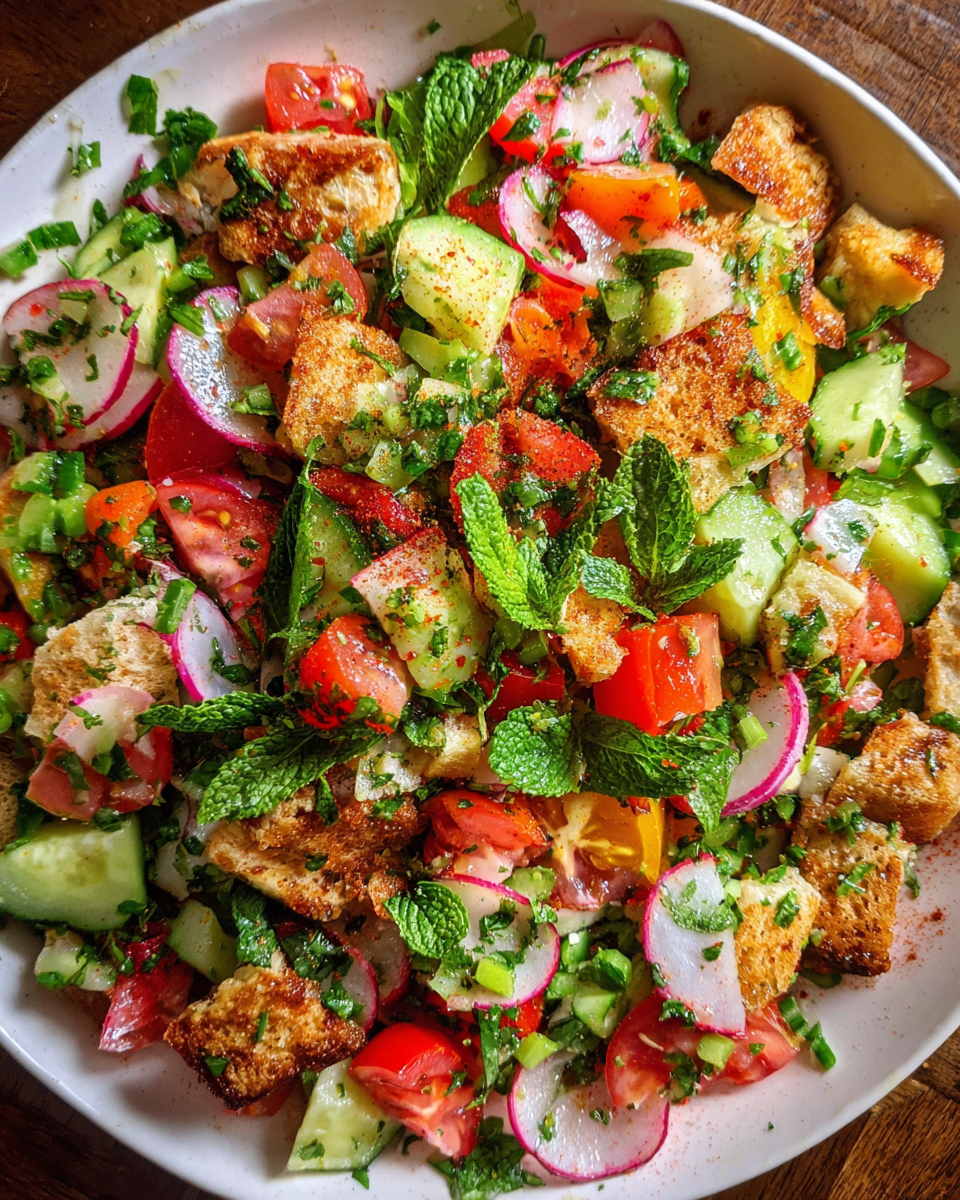
Fattoush Salad Recipe: A Crisp, Tangy Twist on Tradition
Middle Eastern flavors bring life to the table, and the Fattoush Salad Recipe is no exception. In this article, you’ll discover what makes this beloved dish so special, explore its unique ingredients and textures, uncover the secrets behind its vibrant dressing, and learn how to create a version that’s both simple and sensational. Whether you’re new to Mediterranean cuisine or a devoted salad lover, prepare to unravel the secrets of fattoush in every crunchy, lemony bite.
Print
Fattoush Salad Recipe: A Crisp, Tangy Twist on Tradition
- Total Time: 25 minutes
- Yield: 4 servings
Description
- Fattoush Salad Recipe bursting with fresh veggies, herbs & crispy pita in a tangy lemon-sumac dressing. Quick, easy & full of flavor.
Ingredients
-
2 pita breads, torn into small pieces
-
1 English cucumber, diced
-
1 green bell pepper, chopped
-
3 medium tomatoes, chopped
-
6 green onions, chopped
-
½ cup radishes, thinly sliced
-
⅓ cup fresh parsley, chopped
-
2 tablespoons fresh mint, finely chopped
-
¼ cup olive oil
-
¼ cup fresh lemon juice
-
¼ teaspoon salt, or to taste
-
½ teaspoon black pepper, or to taste
-
1 tablespoon ground sumac
Instructions
-
Tear the pita into small pieces. Lightly fry them in a pan with a bit of olive oil until golden and crisp, or broil them in the oven after tossing with olive oil, salt, pepper, and sumac.
-
Dice all vegetables and place them in a large mixing bowl. Add the chopped parsley and mint.
-
In a separate small bowl, whisk together olive oil, lemon juice, salt, pepper, and sumac until well blended.
-
Combine the dressing with the vegetables and toss gently. Add the crispy pita pieces just before serving for maximum crunch.
-
Serve immediately or keep components separate until ready to serve.
- Prep Time: 20 minutes
- Cook Time: 5 minutes
- Category: Healthy Salad Recipes
- Method: Mixing
- Cuisine: Middle Eastern
Table of Contents
My Flavorful Journey to the Perfect Fattoush Salad
From Garden Memories to Kitchen Magic
The first time I tasted fattoush salad, I was ten and sitting cross-legged in my neighbor’s backyard under a fig tree. Her Lebanese grandmother would tear pieces of yesterday’s pita, toast them golden, and toss them into a bowl of crisp cucumbers, sweet tomatoes, and the most vibrant green herbs. It was refreshing, tart, and absolutely addicting.
Years later, that memory returned as I experimented in my own kitchen. Reimagining her Fattoush Salad Recipe with a modern twist, I added a handful of radishes and doubled up on lemon juice. The result? A crunchy, zesty, herbaceous celebration of color and culture.
What Makes Fattoush So Irresistible?
Fattoush isn’t just a salad—it’s an experience. This staple from Levantine cuisine is a symphony of textures and bold tastes. The crispy pita chips provide contrast to juicy vegetables like tomatoes and cucumbers. Add in chopped parsley and fresh mint, and you’ve got layers of green that energize every bite.
The signature ingredient? Sumac, a tart, deep red spice that enhances the salad’s lemony bite and creates its distinctive profile. No creamy dressings here—just clean, acidic brightness that pairs beautifully with rich main dishes or stands proudly on its own.
A Global Salad with Local Soul
Fattoush has evolved beyond its regional roots and found homes in kitchens worldwide. Today, you’ll find variations using romaine, pomegranate molasses, or even chickpeas. At Cindy Recipes, I keep things fresh, quick, and nutritious—just like this salad. It’s a perfect fit for weeknight dinners, and just as exciting at a Sunday brunch.
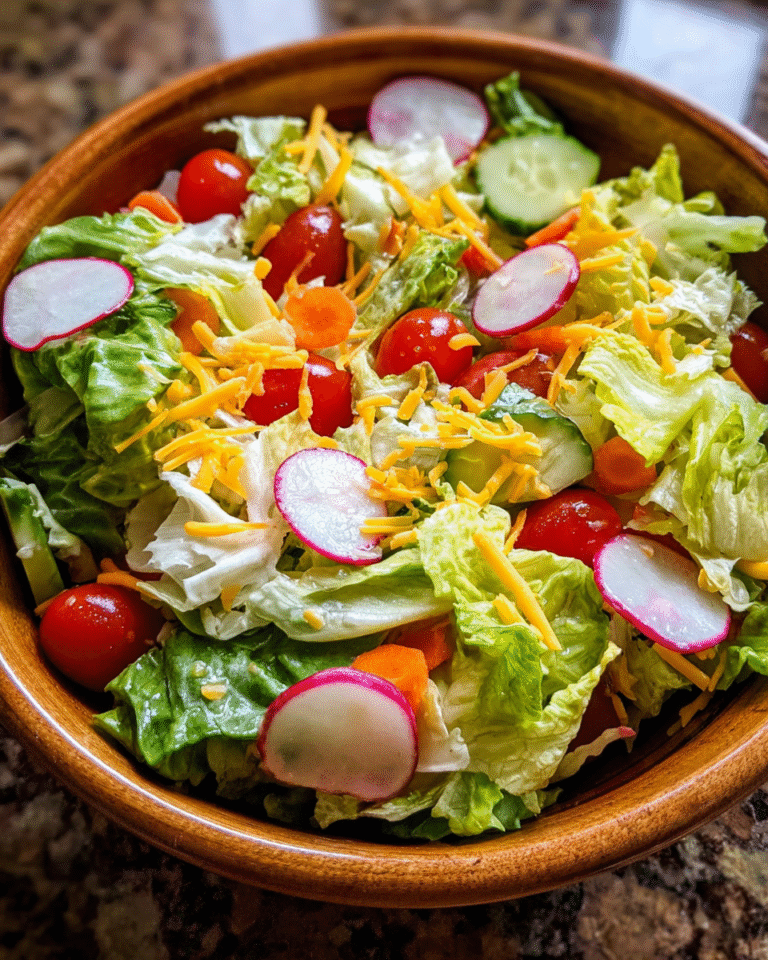
If you enjoy vibrant creations like this, check out my easy tossed salad or the nutrient-packed twelve superfoods salad—they’re equally satisfying and full of flavor.
Ingredients That Define a Great Fattoush Salad Recipe
Fresh Produce and Bold Herbs Make the Difference
The magic of any fattoush salad recipe begins with its vibrant produce. You’ll want to select juicy, ripe tomatoes, firm English cucumbers, and crisp radishes. Green onions add mild sharpness, while bell peppers bring a sweet crunch that balances the acidity of the dressing. Each ingredient plays its part in creating a balanced, textural bite.
The real heroes, however, are the herbs. Fresh parsley and mint elevate this dish from simple to sensational. Their aromatic qualities awaken the senses and refresh the palate—critical when you’re building a salad with Mediterranean boldness.
Pita Croutons: The Signature Crunch
Unlike traditional salads, this one stars its croutons. Pita bread, torn and lightly fried or oven-toasted, provides a unique, golden crunch. It’s not just about texture—the pita also absorbs the tangy dressing just enough to become addictively flavorful without losing its bite.
To level up your croutons, toss the torn bread in olive oil, sumac, salt, and pepper before baking. This simple step infuses layers of flavor into every crispy shard and makes the fattoush salad recipe unmistakably distinctive.
The Flavor-Forward Dressing
The fattoush salad dressing is clean, sharp, and unapologetically citrusy. A classic vinaigrette of olive oil and fresh lemon juice is elevated with sumac, salt, and pepper. This dressing isn’t there to coat and conceal—it’s meant to accentuate every ingredient.
Its bright flavor cuts through the richness of mains like grilled lamb or chicken, making fattoush the ideal complement to hearty meals. The key is balance: too much oil dulls the freshness, too much lemon overwhelms. But just right? It’s a vibrant, craveable triumph.
How to Make the Fattoush Salad Recipe Step-by-Step
Prep Your Ingredients Like a Pro
Begin with the base. Dice the English cucumber, green bell pepper, and tomatoes evenly—this ensures every bite is balanced. Thinly slice the radishes for a peppery crunch and chop the green onions to bring in subtle sharpness. Gather your fresh herbs: parsley should be loosely chopped, while mint benefits from a fine mince to avoid overpowering the other flavors.
These small steps matter. Uniform chopping not only makes the salad more visually appealing but also guarantees consistency in texture and taste with each forkful.
Crisp the Pita to Perfection
What truly distinguishes a Fattoush Salad Recipe is its pita croutons. Tear two pita breads into bite-sized pieces. You can either lightly fry them in olive oil until golden and crisp, or broil them in the oven after tossing with olive oil, salt, pepper, and sumac.
Broiling gives a smoky edge, while pan-frying enhances crunch. Either method ensures they remain crisp long enough to contrast the juicy vegetables when served. The trick? Add them last to preserve that irresistible crunch.
Mix, Toss, and Serve Fresh
In a large mixing bowl, combine the chopped vegetables and herbs. In a separate bowl, whisk together olive oil, fresh lemon juice, salt, black pepper, and a tablespoon of sumac. This dressing should be bold and punchy—perfect for awakening your palate.
Pour the dressing over the veggies and toss gently until evenly coated. Right before serving, fold in the toasted pita pieces. The result? A salad that’s bright, tangy, and texturally dynamic. Serve immediately, or keep the elements separate until just before eating for the crispiest result.
Nutrition Facts, Serving Ideas, and Easy Variations
Nutritional Benefits of Fattoush Salad
A good Fattoush Salad Recipe is more than flavorful—it’s packed with nutritional value. Each serving contains approximately 246 calories, making it a satisfying yet light option. With 5 grams of protein and 4 grams of fiber, it supports digestive health while keeping you full longer.
It’s also rich in vitamins A and C from bell peppers and tomatoes, while parsley and mint deliver antioxidants that promote immune health. The use of olive oil introduces heart-healthy fats, while the absence of creamy dressings keeps it light and naturally gluten-free if you opt for gluten-free pita.
For those following a vegetarian or Mediterranean diet, fattoush is a perfect fit. It’s plant-based, minimally processed, and bursting with raw ingredients.
How to Serve and Pair Fattoush Salad
This salad thrives as a standalone lunch or as a side at dinner. Pair it with grilled proteins like chicken shawarma, beef kebabs, or even a simple roasted salmon. Its acidic, herb-forward profile balances rich, spiced mains beautifully.
For gatherings, serve it family-style with components separate so guests can assemble their own for max crunch. Add crumbled feta or chickpeas if you want to bulk it up while still keeping the fresh profile intact.
It also works well in a mezze spread alongside hummus, baba ghanoush, or falafel. And if you enjoy building your meals around vegetables, don’t miss our delicious easy tossed salad or the hearty twelve superfoods salad—both offer easy, nutrient-rich meal options.
Creative Variations to Try at Home
Looking to make this dish your own? Try swapping romaine or arugula for more greens. Want to amplify sweetness? Toss in pomegranate seeds. Craving extra tang? A splash of pomegranate molasses in the dressing adds depth.
For protein, grilled halloumi or a handful of roasted chickpeas transform this side into a full meal. And for a spice kick, a dash of Aleppo pepper or za’atar will add warmth without overwhelming the crisp, clean flavor of the base.
FAQS
What are the ingredients of fattoush salad?
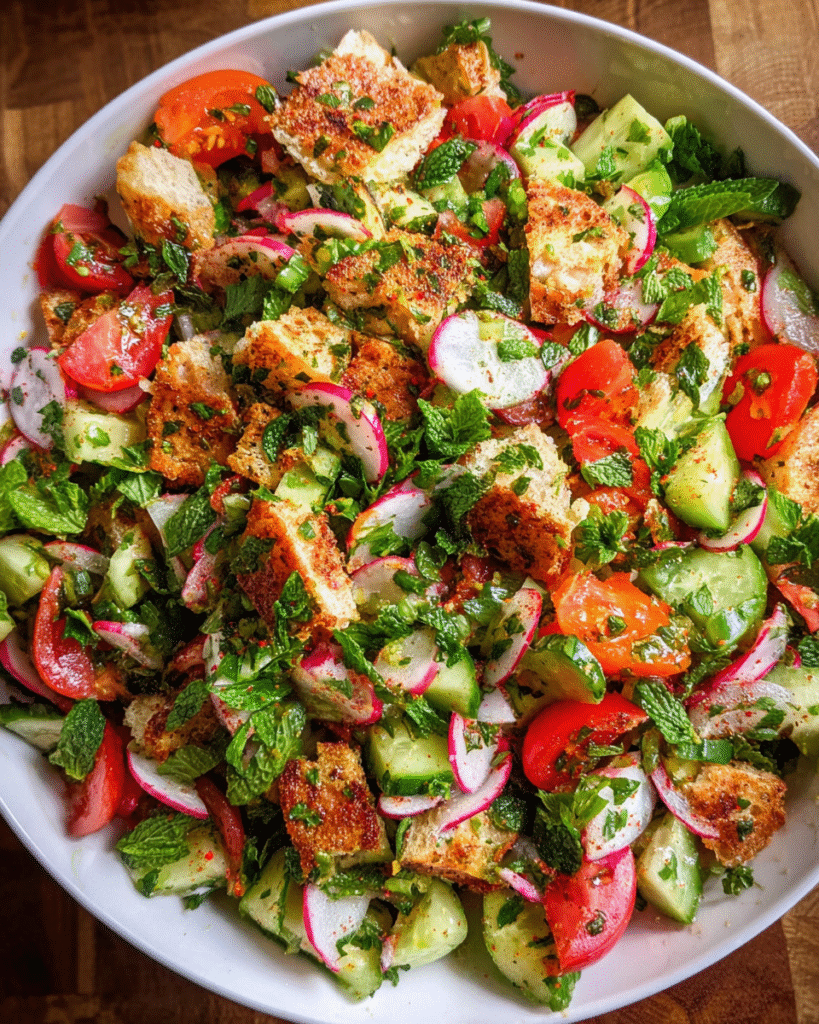
A classic fattoush salad includes tomatoes, cucumbers, radishes, green onions, parsley, and mint—all chopped fresh. Crispy toasted pita pieces are a signature addition, providing texture. The dish is finished with a lemony olive oil dressing spiced with sumac for tang. Some variations may also include bell peppers, romaine, or pomegranate seeds for extra flair.
How to make the perfect fattoush dressing?
The perfect fattoush dressing is a balance of acidity and spice. Whisk together olive oil, fresh lemon juice, salt, black pepper, and ground sumac. Sumac is the star—it offers a deep, citrus-like tang that elevates the dressing beyond a basic vinaigrette. Adjust seasoning to taste and always use fresh lemon juice for the brightest flavor.
What dressing is typically used on fattoush?
Traditionally, fattoush is dressed with a simple vinaigrette made from olive oil and lemon juice, seasoned with salt, pepper, and most importantly, sumac. Some regional versions add pomegranate molasses or garlic, but the base always centers on clean, acidic notes to highlight the crisp vegetables and crunchy pita.
What herbs are in fattoush?
Fresh parsley and mint are essential herbs in fattoush. Parsley brings a grassy freshness, while mint offers cool brightness that complements the tangy dressing. These herbs aren’t just garnish—they form an integral flavor base for the salad and contribute to its refreshing taste.
Conclusion
A well-made Fattoush Salad Recipe is a harmony of crisp textures, bold herbs, and tangy dressing that bursts with Middle Eastern flair. With its simple ingredients and flexible variations, it’s a recipe anyone can master and enjoy. Whether you’re building a mezze spread or craving something light yet fulfilling, fattoush delivers satisfaction in every bite.
Its beauty lies in contrast—crunchy pita, juicy vegetables, and bright herbs, all brought together by a sumac-infused lemon dressing. Keep your components fresh, season generously, and add the pita just before serving. Your next favorite salad might just be this timeless classic, reimagined in your kitchen.
For more successful recipes, you can visit our Facebook page or our Pinterest account