Fresh Mediterranean Greek Salad: A Colorful, Crisp Summer Staple
Introduction
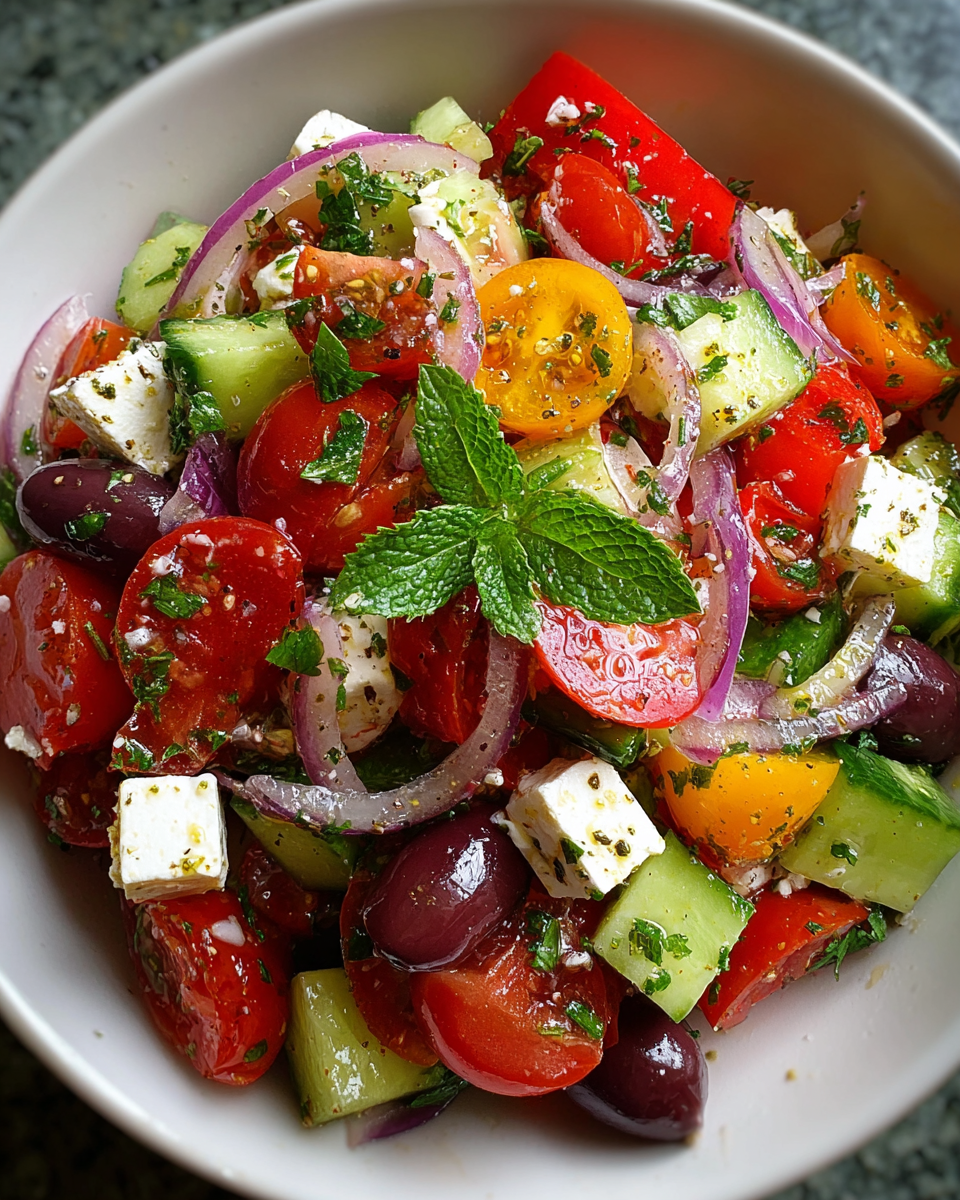
Fresh Mediterranean Greek Salad captures everything we crave in a summer dish — vibrant color, bold flavor, and effortless freshness. This iconic recipe is rooted in traditional Greek cuisine but loved worldwide for its clean ingredients and satisfying crunch. In this article, we’ll explore the origins of the Greek salad, break down its classic components, and walk you through a foolproof method to prepare it perfectly every time. Whether you’re serving it solo, pairing it with grilled mains, or adapting it to fit your diet, this Fresh Mediterranean Greek Salad is a crisp, nutritious favorite worth mastering.
Fresh Mediterranean Greek Salad Origins & Cultural Roots
A Mediterranean Icon: The History of Greek Salad
In the sun-drenched villages of Greece, where tomatoes burst with flavor and herbs grow wild, Greek salad—also known as Horiatiki—was born. It wasn’t created in a restaurant but on farms and in humble kitchens, using whatever fresh ingredients were on hand. The combination of ripe tomatoes, crisp cucumbers, red onion, olives, and feta was a simple, sustaining meal for farmers under the Mediterranean sun. Over time, this rustic dish became a symbol of Greek culinary identity, spreading across Europe and beyond. The Fresh Mediterranean Greek Salad you enjoy today carries that legacy of simplicity, balance, and bold, unpretentious flavor.
Print
Fresh Mediterranean Greek Salad: A Colorful, Crisp Summer Staple
- Total Time: 30 minutes
- Yield: 4 servings
Description
- Fresh Mediterranean Greek Salad made with tomatoes, feta, herbs & lemon. A bold, refreshing dish perfect for any season or table.
Ingredients
-
2 cups cherry tomatoes, halved
-
1 large cucumber, peeled and diced
-
1 red bell pepper, chopped
-
1 small red onion, thinly sliced
-
½ cup Kalamata olives, pitted and halved
-
½ cup feta cheese, crumbled
-
2 tablespoons fresh parsley, chopped
-
1 tablespoon fresh mint, chopped
-
3 tablespoons olive oil
-
1 tablespoon lemon juice (as substitute for red wine vinegar)
-
1 teaspoon dried oregano
-
Salt and freshly ground black pepper, to taste
Instructions
-
Rinse all vegetables thoroughly under cold water.
-
Slice the cherry tomatoes in half, peel and dice the cucumber, chop the red bell pepper, and thinly slice the red onion.
-
In a large salad bowl, combine tomatoes, cucumber, bell pepper, onion, and olives.
-
Add crumbled feta cheese, chopped parsley, and mint.
-
In a separate small bowl, whisk together olive oil, lemon juice, dried oregano, salt, and pepper until well combined.
-
Pour the dressing over the salad and toss gently to coat everything evenly.
-
Let the salad sit for 15 minutes to allow flavors to blend, or serve immediately.
- Prep Time: 15 minutes
- Cook Time: 00 minutes
- Category: Healthy Salad Recipes
- Method: Tossed
- Cuisine: Mediterranean
Table of Contents
Greek Salad Ingredients and Cultural Symbolism
Every ingredient in a Greek salad tells a story. Tomatoes represent the juicy abundance of summer. Cucumbers offer hydration and crunch. Red onion provides bite and balance. Kalamata olives—dark, rich, and briny—echo the coastal regions of Greece, while feta, traditionally made from sheep’s milk, is a proud marker of Greek dairy heritage. Even oregano isn’t just seasoning—it’s a fragrant nod to Greek mountain fields. Together, they form a salad that’s not only fresh and nourishing but deeply rooted in regional pride. This cultural authenticity is what makes the Fresh Mediterranean Greek Salad an enduring classic.
Why “Fresh” Matters in Mediterranean Cooking
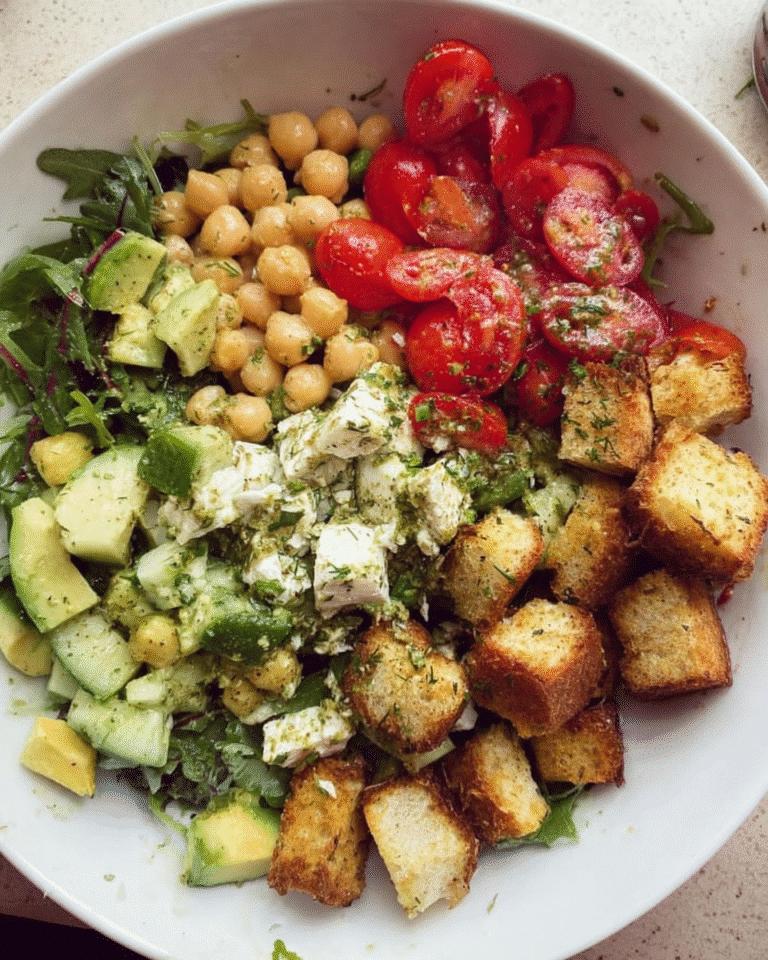
Mediterranean cuisine thrives on freshness. Unlike heavily processed dishes, meals from this region celebrate what’s in season and close to home. In a Fresh Mediterranean Greek Salad, freshness isn’t optional—it’s the heart of the dish. Vegetables should be crisp and juicy, herbs vibrant and fragrant, and olive oil cold-pressed and robust. That’s why dishes like this salad—and others such as this Light Avocado Caprese Salad—shine so brightly. The emphasis on freshness transforms simple ingredients into something memorable, nutritious, and irresistibly flavorful.
Traditional Components of a Fresh Mediterranean Greek Salad
The Essential Vegetables That Define the Dish
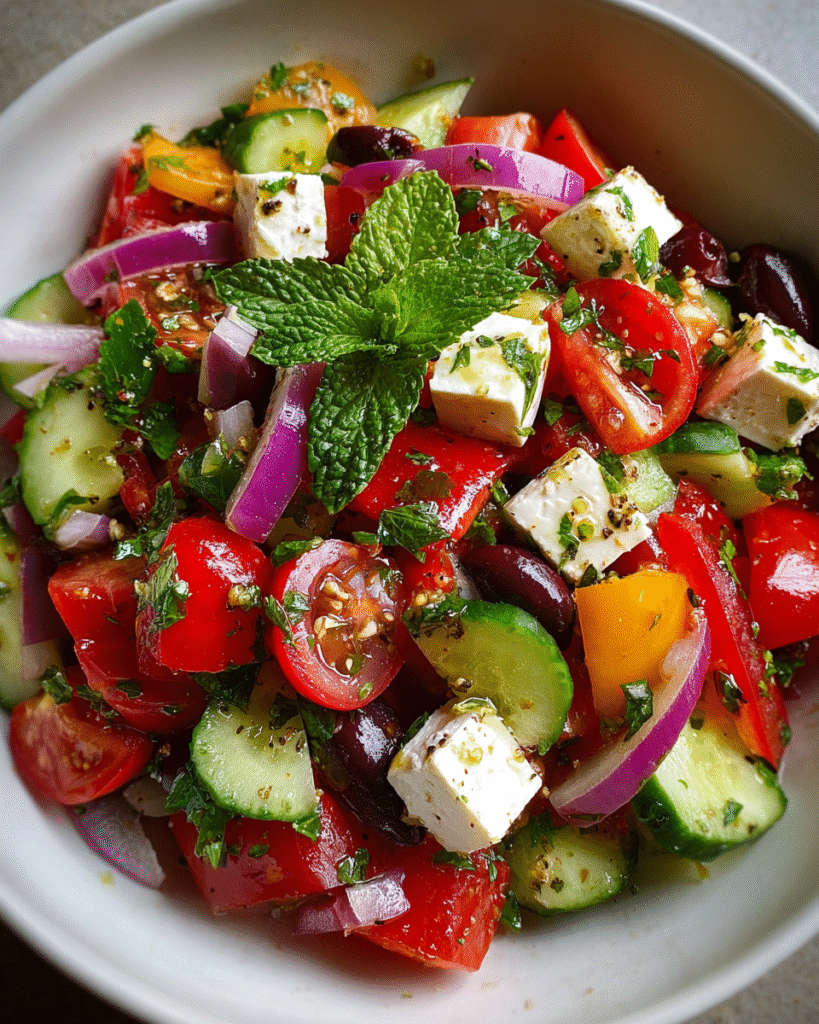
At the core of any authentic Fresh Mediterranean Greek Salad are vibrant, crisp vegetables. Cherry tomatoes add a pop of color and a burst of sweetness. Cucumber brings cool, hydrating crunch, making it ideal for hot climates. Red bell pepper adds a subtle sweetness and satisfying texture, while red onion lends the sharp bite that balances the whole mix. These vegetables aren’t just randomly chosen—they’re Mediterranean staples known for thriving in sun-soaked regions. When chopped and tossed together, they create a salad that’s refreshing, vibrant, and deeply satisfying without the need for lettuce.
Choosing Quality Feta and Authentic Kalamata Olives
The salad’s character shifts dramatically based on the quality of its cheese and olives. True Greek feta, ideally made from sheep or goat milk, should be firm yet creamy, with a tangy finish that cuts through the richness of olive oil. Crumbling it gently over the vegetables ensures each bite has a touch of salty indulgence. Kalamata olives, dark purple and almond-shaped, bring a deep, briny flavor that’s impossible to replicate. These two ingredients are the umami cornerstones of any Fresh Mediterranean Greek Salad, and their authenticity transforms a simple bowl of veggies into a culinary experience.
Fresh Herbs: The Fragrant Heart of Mediterranean Salads
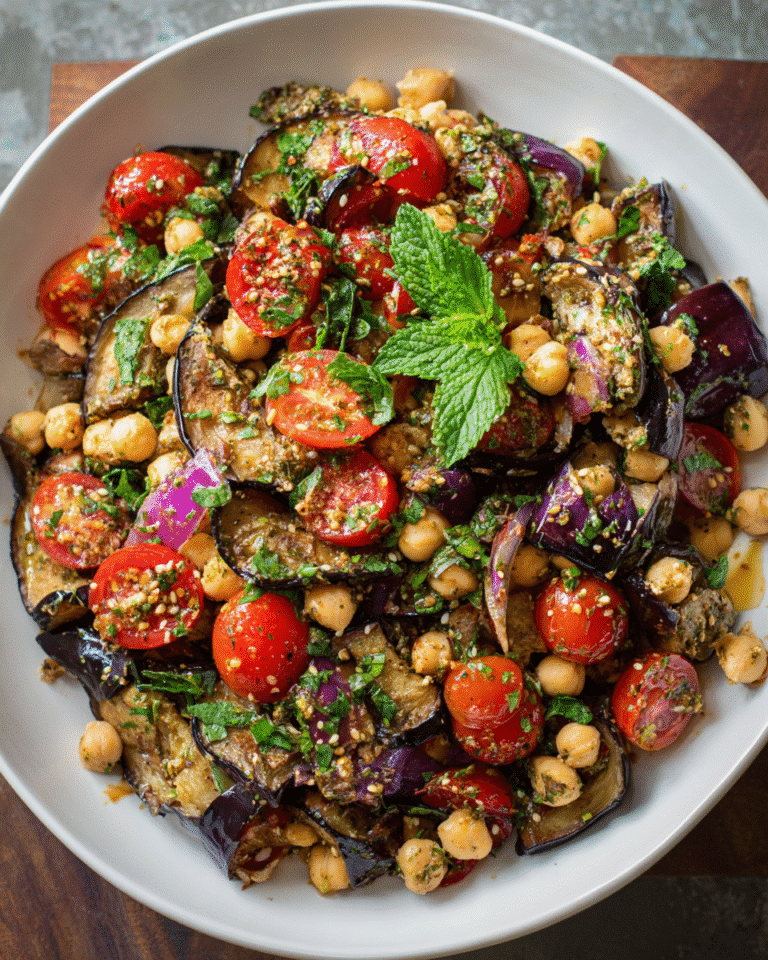
Parsley and mint are more than garnish—they’re vital flavor boosters in this dish. Parsley adds a grassy brightness, while mint delivers a cool contrast that plays beautifully against the sharpness of onion and feta. Both herbs should be freshly chopped just before tossing to maintain their essential oils and full flavor. Adding these herbs is a common technique across Mediterranean salads. You’ll find a similar herb-forward approach in our Aubergine Salad, where mint and parsley elevate the eggplant’s smoky depth. Their inclusion in a Fresh Mediterranean Greek Salad ensures every bite feels clean, balanced, and aromatic.
Crafting the Perfect Greek Salad Dressing
Lemon Juice vs. Red Wine Vinegar: Which is Better?
Traditionally, Greek salads use red wine vinegar for acidity, but this modern twist calls for lemon juice—and for good reason. Lemon juice brings a bright, citrusy lift that complements the crisp vegetables and fragrant herbs in a Fresh Mediterranean Greek Salad. It pairs seamlessly with the richness of feta and olive oil, enhancing the salad’s refreshing qualities without overpowering them. While red wine vinegar offers depth, lemon juice delivers a cleaner flavor that’s more aligned with summer dining. Choosing the right acid can dramatically shift the salad’s tone, making this variation both unique and unforgettable.
The Magic of Oregano and Olive Oil
No Fresh Mediterranean Greek Salad is complete without a bold dressing—and oregano is the spice that defines it. Dried oregano, with its earthy, slightly bitter edge, is a non-negotiable in Greek salad. It’s what ties the vegetables, cheese, and olives into one harmonious bite. Combine it with cold-pressed extra virgin olive oil, and you get a dressing that’s both luxurious and vibrant. The quality of olive oil matters—it should be peppery, golden, and ideally sourced from Mediterranean regions. Whisking in a bit of salt and freshly ground black pepper balances the profile and draws out the flavors of every ingredient.
Mixing vs. Marinating: How to Dress It Right
Timing is everything when it comes to dressing. Unlike some salads that benefit from long marinating times, a Fresh Mediterranean Greek Salad only needs about 15 minutes for the flavors to blend. Toss the dressing gently over the vegetables, allowing the herbs and oils to coat each piece. Letting it rest too long may lead to soggy textures, so plan to dress it shortly before serving. This brief resting period is enough to allow the oregano and lemon to infuse without overpowering the crunch. The result is a salad that’s perfectly seasoned, crisp, and bursting with bold Mediterranean character.
Preparing Your Fresh Mediterranean Greek Salad Step-by-Step
Step-by-Step Instructions for Perfect Results
Crafting a Fresh Mediterranean Greek Salad is refreshingly simple, but a few smart steps can elevate it from good to outstanding. Begin by rinsing all vegetables under cold water to preserve crispness. Halve the cherry tomatoes for juicy bursts of flavor in each bite. Peel and dice the cucumber for a clean crunch, and finely slice the red onion for subtle heat. Chop the red bell pepper evenly so it distributes throughout the bowl. Add these to a large mixing bowl, followed by the pitted, halved Kalamata olives. Crumble in the feta cheese, then sprinkle chopped parsley and mint over the top for a fresh, herbal kick.
Pro Tips for Cutting, Tossing, and Serving
Uniform cuts ensure every forkful of salad carries balanced flavor and texture. Keep cucumber pieces bite-sized, and slice onions as thinly as possible to avoid overpowering sharpness. When crumbling feta, use clean fingers instead of a knife to maintain texture. For the dressing, whisk olive oil, lemon juice, oregano, salt, and pepper in a small bowl until fully emulsified. Gently pour over the salad and toss carefully using large salad spoons to prevent bruising the herbs. Let the tossed salad rest for 10–15 minutes to allow the dressing to penetrate while preserving the integrity of the vegetables.
Salad for Every Season: When to Make It
Though it screams summer, a Fresh Mediterranean Greek Salad works beautifully year-round. In warm months, it’s a perfect cooling dish alongside grilled meats or light seafood. In colder seasons, try pairing it with hearty grains or warm pita to create balance. Its versatility makes it a star at picnics, dinner parties, or even meal prep. With ingredients easily found all year and preparation under 30 minutes, this salad is not just seasonal—it’s timeless.
Pairings and Serving Ideas with Greek Salad
What to Serve with Fresh Mediterranean Greek Salad
A Fresh Mediterranean Greek Salad is endlessly adaptable. It pairs beautifully with grilled meats—think lemon herb chicken, lamb skewers, or even pan-seared salmon. For a vegetarian-friendly option, try it with grilled halloumi or chickpea patties. The bold flavors and crisp textures also make it a natural side for dishes like spanakopita or baked falafel. If you’re planning a Mediterranean-themed spread, add warm pita bread, hummus, and a tangy tzatziki to round out the table. Whether you’re entertaining or cooking a quick weeknight dinner, this salad provides the perfect contrast and harmony to richer main dishes.
How This Salad Enhances Everyday Meals
A Fresh Mediterranean Greek Salad doesn’t have to be reserved for special occasions. It fits seamlessly into daily meals—tuck it into a wrap for lunch, layer it over quinoa for a hearty bowl, or enjoy it solo as a light dinner. Its high fiber and protein content make it satisfying, while the lemon and herb dressing keeps it lively. Plus, its vibrant ingredients bring color and freshness to the table, no matter what else is being served. For even more fresh salad inspiration, explore this refreshing Light Avocado Caprese Salad or smoky Aubergine Salad—each perfect pairings in both flavor and style.
Internal Link Integration with Easy Recipes
Because it’s part of a broader Mediterranean lifestyle, this salad naturally complements other vibrant dishes from the region. Recipes like the ones above integrate beautifully with your Greek salad as starters, sides, or mains. Together, they form a meal that’s not only fresh and flavorful, but balanced and deeply nourishing—just as the Mediterranean way intends.
Nutritional Benefits & Dietary Versatility
Why It’s a Healthy Choice for Any Diet
A Fresh Mediterranean Greek Salad isn’t just delicious—it’s a powerhouse of nutrition. Packed with hydrating vegetables, heart-healthy fats, and antioxidant-rich herbs, this salad aligns perfectly with clean eating goals. Each serving contains around 250 calories, offering a balanced mix of 20g of fat, 10g of carbohydrates, and 6g of protein. The combination of healthy unsaturated fats from olive oil and fiber from fresh veggies helps regulate digestion and keep you full longer. Plus, its high vitamin C, potassium, and phytonutrient content makes it an excellent choice for supporting immune function and heart health.
Adaptations for Vegan, Gluten-Free, and Keto Lifestyles
This salad is naturally gluten-free and vegetarian, but it can be easily modified for other dietary needs. Going vegan? Simply omit the feta or replace it with a dairy-free alternative like almond-based feta. On a keto plan? Keep the olive oil generous and skip high-carb pairings like bread. It’s also ideal for low-sodium diets—just reduce the added salt and go light on the olives and cheese. The base ingredients are flexible and forgiving, so whether you’re navigating food sensitivities or following a strict plan, the Fresh Mediterranean Greek Salad can evolve with you.
Beyond the Bowl: Creative Variations
Want to shake things up? Add cooked farro, lentils, or chickpeas to transform your salad into a grain bowl. Toss in grilled shrimp or rotisserie chicken for a protein boost. You can even serve the mix in lettuce wraps for a light bite. The beauty of the Fresh Mediterranean Greek Salad lies in its versatility. It’s a blank canvas for creativity while still holding on to its bold Mediterranean essence. These variations make it not just a side, but a complete, personalized meal—without compromising freshness or flavor.
FAQs
How to make a Greek salad step by step?
Start by rinsing your vegetables under cold water. Halve cherry tomatoes, dice cucumber, chop red bell pepper, and thinly slice red onion. In a large bowl, combine all vegetables with halved Kalamata olives. Crumble in feta cheese and sprinkle chopped parsley and mint. In a small bowl, whisk together olive oil, lemon juice, oregano, salt, and pepper. Pour the dressing over the salad, toss gently, and let sit for 15 minutes. This easy method ensures your Fresh Mediterranean Greek Salad is flavorful and well-balanced.
What makes a Greek salad a Greek salad?
A Greek salad, or Horiatiki, is defined by its use of classic Mediterranean ingredients—ripe tomatoes, cucumbers, red onion, Kalamata olives, feta cheese, and dried oregano. Unlike Western salads, it typically contains no lettuce. What makes it distinct is its simple preparation and reliance on high-quality, fresh components. A Fresh Mediterranean Greek Salad adheres to these essentials, delivering bold flavor through minimal but purposeful ingredients.
What to eat with a Greek salad?
Greek salad pairs beautifully with grilled meats like chicken, lamb, or fish. You can also enjoy it alongside falafel, spanakopita, or warm pita with hummus. It makes a great side for hearty soups or grain-based dishes like farro or couscous. A Fresh Mediterranean Greek Salad also works as a main course when topped with protein or mixed into a grain bowl.
Where does Mediterranean salad come from?
The Greek salad specifically originates from rural Greece, where it was made using whatever vegetables were in season. Over time, it became a Mediterranean staple, known for celebrating fresh, local produce. While variations exist across Italy, Turkey, and the Levant, the Fresh Mediterranean Greek Salad stays true to its Greek roots through its signature blend of olives, cheese, and herbs.
Conclusion
A Fresh Mediterranean Greek Salad isn’t just another salad—it’s a sensory journey to the sunlit coasts of Greece. With every bite, it offers the perfect balance of salty, tangy, and crisp freshness. From the vibrant vegetables and creamy feta to the citrusy herb dressing, this dish proves that simplicity can deliver bold impact. Whether served as a standalone meal, a vibrant side, or a Mediterranean centerpiece, it’s a staple that satisfies every craving for something clean, wholesome, and deeply flavorful. Mastering this timeless salad ensures you’ll always have a crowd-pleasing dish that’s as nourishing as it is beautiful.
For more successful recipes, you can visit our Facebook page or our Pinterest account