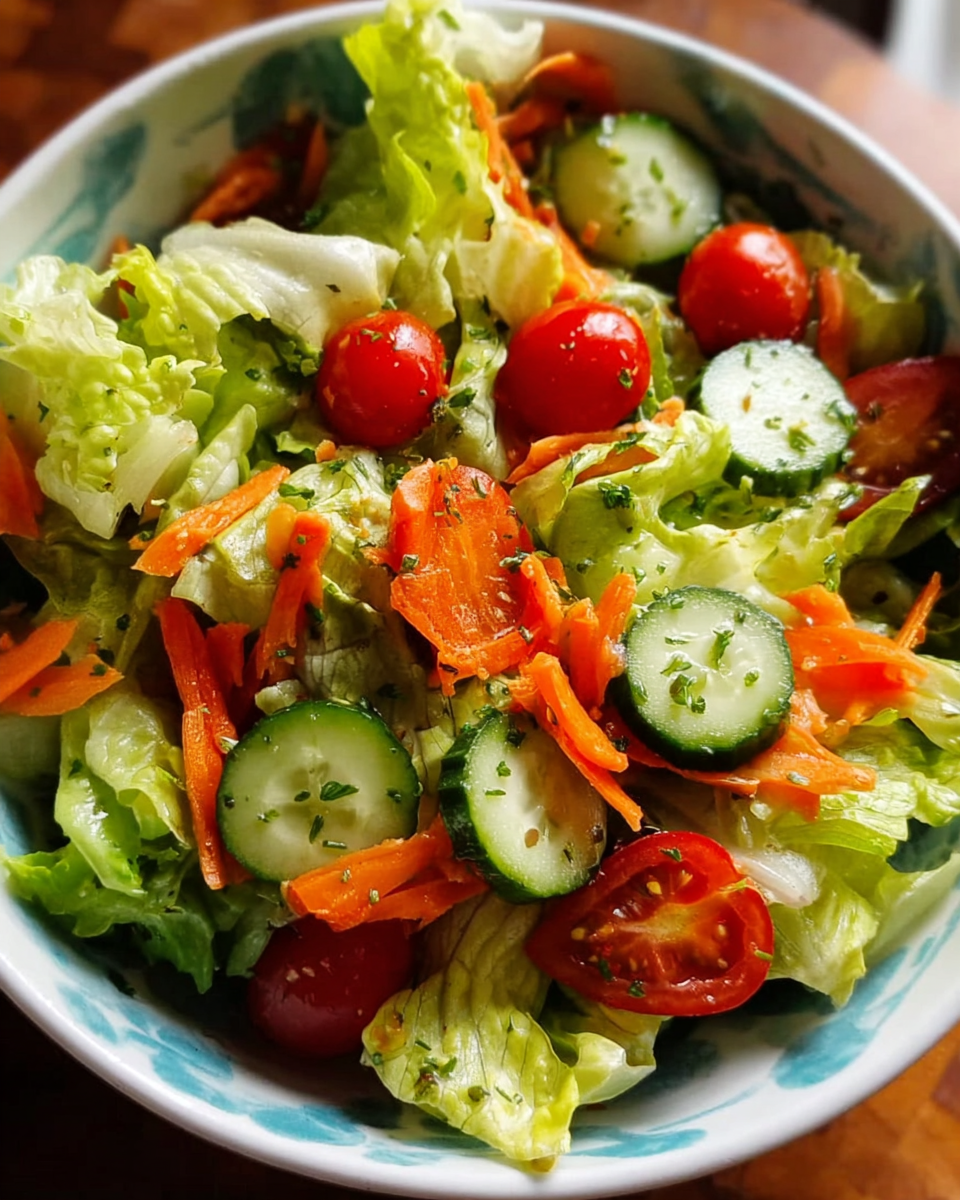
Garden Salad Recipe: A Fresh Classic Bursting with Flavor
Introduction:
A crisp and colorful garden salad is more than just a bowl of veggies—it’s a timeless staple in kitchens across the world. Whether you’re planning a light lunch, a refreshing side, or a healthy starter, this vibrant dish fits the bill. In this article, you’ll discover the story behind the garden salad, a breakdown of its simple yet wholesome ingredients, expert tips to customize it, and how it varies globally—especially in places like Australia. We’ll also explore how it compares to other salads and answer popular questions to give you a complete picture of this everyday delight.
The Story Behind Garden Salad
A Childhood Staple at Every Family Table
Garden salad wasn’t just a dish growing up—it was a ritual. At nearly every family dinner, a large bowl filled with fresh iceberg lettuce, juicy tomatoes, and crunchy cucumbers would land on the table, dressed in a tangy vinaigrette that had everyone reaching for seconds. My grandmother always believed the key to a good meal was balance, and this salad provided just that—crisp freshness against rich main dishes. That’s where my appreciation for simplicity started.
Embracing Freshness in Modern Cooking
Today, the garden salad remains one of the most versatile and approachable dishes. From busy weeknights to dinner parties, it’s an easy way to bring fresh vegetables to the table. With only a handful of ingredients—lettuce, tomatoes, cucumbers, and a simple homemade dressing—it offers both nutritional value and irresistible crunch. This version of the salad, just like my grandmother’s, honors traditional roots while fitting effortlessly into modern meals. With the rise in healthy eating and plant-based choices, it’s no surprise this salad is enjoying a delicious comeback.
Print
Garden Salad Recipe: A Fresh Classic Bursting with Flavor
- Total Time: 7 minutes
- Yield: Serves 4 to 5
Description
- Garden salad recipe with crisp veggies & zesty dressing—simple, healthy, and perfect for any meal.
Ingredients
-
Salad:
-
1 small head of iceberg lettuce (or any leafy greens), chopped into large bite-size pieces (about 5 to 6 handfuls)
-
1 cup cherry or grape tomatoes, halved, or 2 regular tomatoes, cut into chunks
-
1 medium cucumber, sliced
-
1 carrot, peeled and grated
-
1 teaspoon finely chopped parsley or chives (optional)
Dressing:
-
1 tablespoon apple cider vinegar (or any vinegar or lemon juice)
-
3 tablespoons extra virgin olive oil (or another neutral oil)
-
1/2 teaspoon Dijon mustard (or other smooth mustard)
-
1/2 teaspoon kosher salt (or 1/4 teaspoon table salt)
-
1/2 teaspoon black pepper
-
Instructions
- Make the Dressing: Combine all dressing ingredients in a jar with a lid. Shake well until fully mixed. Taste and adjust as desired—add more oil for a milder flavor, more vinegar for extra tang, or a small pinch of sugar for sweetness.Assemble the Salad: In a large mixing bowl, add all the salad ingredients.Toss and Serve: Pour the dressing over the salad. Toss thoroughly until the vegetables are evenly coated. Transfer to a serving bowl and serve immediately.
- Prep Time: 7 minutes
- Cook Time: 00 minutes
- Category: Healthy Salad Recipes
- Method: No-cook
- Cuisine: Western
Table of Contents
Why Garden Salad Continues to Shine
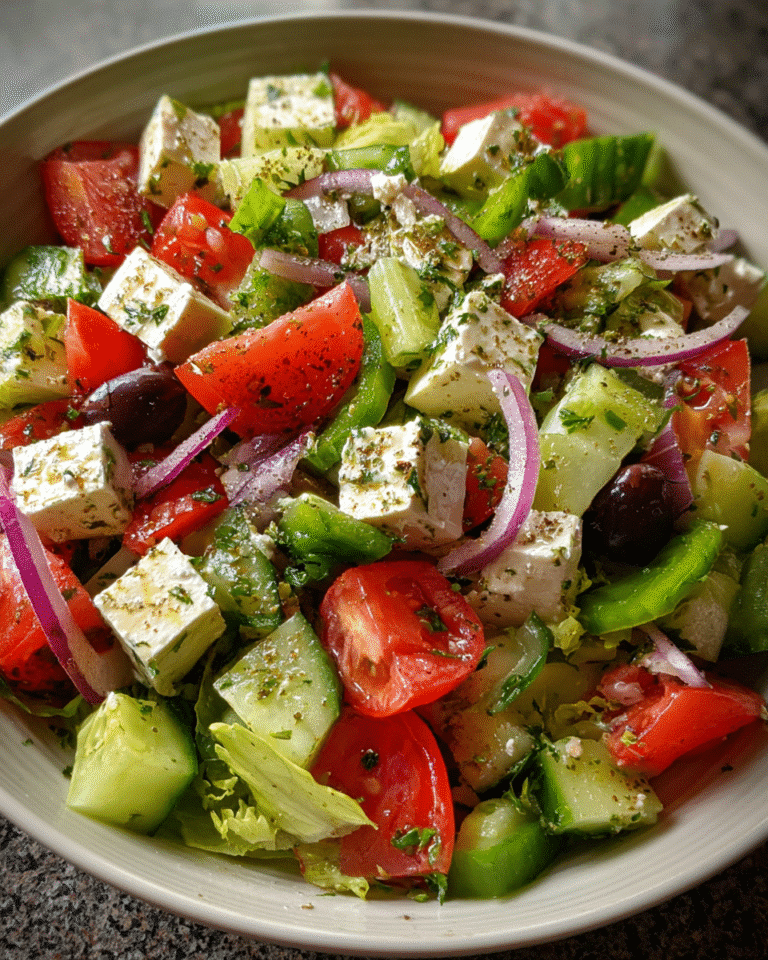
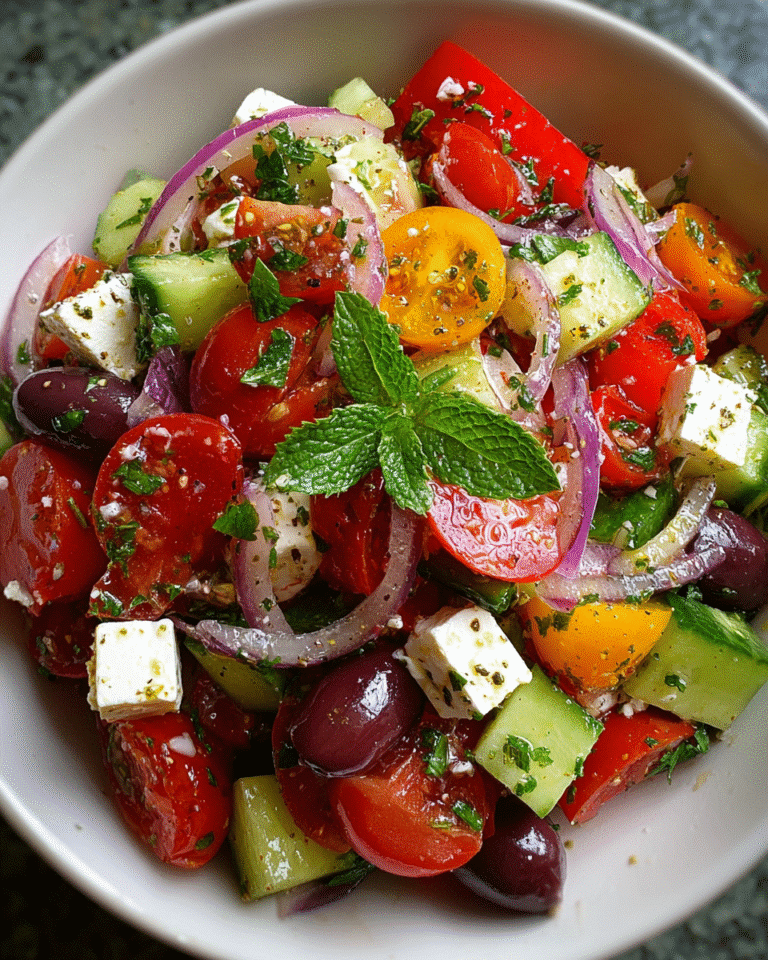
The garden salad isn’t just a side dish; it’s an invitation to eat clean without compromising taste. It’s endlessly customizable, works with almost any meal, and makes an excellent base for proteins or grains. Whether you’re pairing it with a robust dish like this Greek Salad or something lighter like fennel salad, its versatility ensures it never goes out of style.
Garden Salad Nutrition and Ingredient Power
Fresh Ingredients That Elevate Every Bite
A traditional garden salad thrives on simplicity, and that’s exactly what makes its ingredients so powerful. Iceberg lettuce, often the base, brings crunch and hydration. Cherry tomatoes or regular chopped tomatoes introduce natural sweetness and a burst of color. Sliced cucumbers and grated carrots add textural contrast, with mild bitterness and earthiness. Fresh parsley or chives can subtly enhance the salad’s aroma and depth, though they’re optional. Each component not only brings flavor but also contributes essential vitamins and antioxidants.
What sets this salad apart is its ability to showcase produce at its freshest. There’s no need for cooking or heavy preparation. It’s a clean slate for seasonal variations—like adding radishes, bell peppers, or even shredded cabbage—tailored to what’s available in your kitchen or garden.
A Dressing That Makes Everything Sing
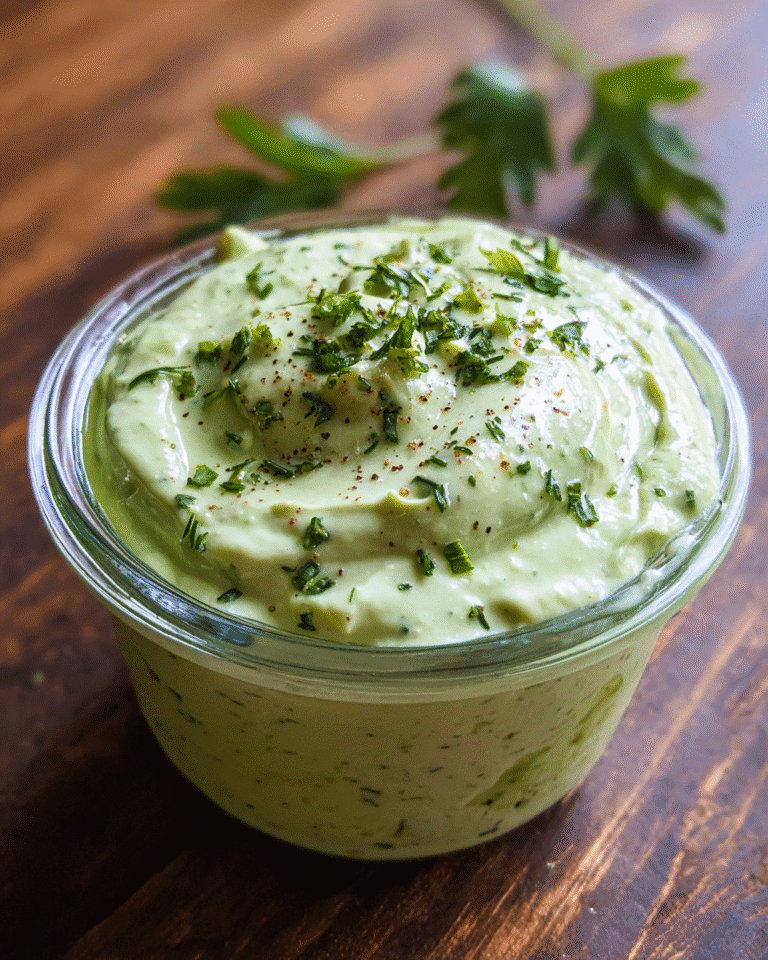
While the vegetables form the foundation, the dressing unifies everything. This garden salad features a vinaigrette made with apple cider vinegar, extra virgin olive oil, Dijon mustard, salt, and pepper. It’s zingy, well-balanced, and light enough not to overpower the fresh produce. You can shake it up in a jar and adjust the ratio to suit your taste. Want more acidity? Add a splash of lemon. Prefer something milder? A touch more olive oil does the trick.
This dressing isn’t just about flavor—it helps the body absorb fat-soluble nutrients from the veggies. The olive oil boosts heart health while the vinegar supports digestion. If desired, a pinch of sugar can mellow the bite, or you can swap the mustard for a smoother alternative.
Health Benefits of a Garden Salad
Garden salad’s nutritional benefits are vast for such a humble dish. It’s naturally low in calories (only about 110 per serving), free from cholesterol, and packed with fiber. It supports digestion, aids in hydration, and helps meet daily vegetable intake goals. The cucumbers and lettuce alone contribute to water intake, while carrots and tomatoes offer beta-carotene and lycopene—two powerful antioxidants.
Its flexibility also makes it ideal for different diets. This version is vegetarian, gluten-free, and easily adaptable to vegan or low-sodium lifestyles. If you’re looking for a healthy, vibrant option that aligns with wellness goals, this salad checks all the boxes.
Garden Salad Variations Around the World
Garden Salad in Australian Homes
In Australia, the garden salad is a staple at barbecues, family dinners, and summer gatherings. While the core ingredients—lettuce, tomato, cucumber, and carrots—remain consistent, Australians often add their local spin. Beetroot slices, red onion, or even hard-boiled eggs frequently appear in Aussie versions. Unlike creamy dressings more common in the U.S., the Australian version typically leans on oil-based vinaigrettes or just a splash of lemon juice and olive oil.
The emphasis is on fresh, raw vegetables that balance out grilled meats or heavier mains, especially during outdoor cookouts. The vibrant colors and textural contrast of a garden salad make it a crowd favorite during festive meals across the country. It’s served chilled and often tossed right before eating, keeping everything crisp and bright.
Global Adaptations and Cultural Influences
Beyond Australia, the garden salad adapts to regional palates effortlessly. In Mediterranean countries, you might find kalamata olives, oregano, or feta added to the basic structure. In Latin America, avocados or corn are commonly tossed in. In Japan, the garden salad sometimes includes daikon radish and sesame dressing, while Middle Eastern versions might incorporate mint, sumac, or tahini-based dressings.
These adaptations speak to the universal appeal of the garden salad—each culture makes it their own by incorporating native flavors. Whether it’s the Mediterranean flair of lemon and olives or the umami-rich depth of Asian dressings, the base remains simple, letting regional flavors shine.
Why the Garden Salad Endures Globally
So what makes this salad a universal dish? Its structure is forgiving. It doesn’t rely on hard-to-find ingredients or complex techniques. Instead, it’s a blank canvas that invites creativity. People from different backgrounds have adopted it, tweaked it, and passed it down in various forms. And as modern eaters lean into freshness and whole-food nutrition, the garden salad continues to evolve—both in casual meals and upscale restaurant menus around the world.
Mastering the Garden Salad – Tips and Pitfalls
Expert Tips to Make Your Garden Salad Exceptional
Crafting a memorable garden salad starts with choosing fresh ingredients. Always wash and dry your lettuce thoroughly—excess water can dilute your dressing. Use a salad spinner or pat gently with paper towels to keep leaves crisp. Slice cucumbers evenly for balance, and opt for ripe tomatoes to maximize flavor.
Grate your carrots fresh for better texture and brightness. When assembling, layer ingredients rather than dumping them in. This ensures each forkful has a bit of everything. Add herbs like parsley or chives just before tossing for a pop of freshness. And most importantly, use a large bowl—tossing thoroughly without bruising the veggies helps the dressing coat evenly.
Common Mistakes to Avoid When Making Garden Salad
Even a simple dish can go sideways if a few basics are overlooked. One of the most frequent issues is overdressing—too much liquid can make your veggies soggy. Always start with less dressing and add more only if needed. Another pitfall is using bland or stale vegetables. A garden salad depends entirely on freshness; limp lettuce or flavorless tomatoes ruin the experience.
Cutting vegetables too far in advance is another mistake. The salad loses its visual and textural appeal if it sits too long before serving. Likewise, avoid storing dressed salad—always dress right before eating. If you’re meal-prepping, keep dressing separate and toss just before serving.
Using poor-quality oil or skipping acidity also flattens flavor. Opt for extra virgin olive oil and a punchy vinegar like apple cider or red wine. Even a squeeze of lemon works wonders. With a few intentional moves, you can transform a basic bowl of vegetables into a vibrant, flavorful salad worthy of seconds.
FAQs
What is a typical garden salad?
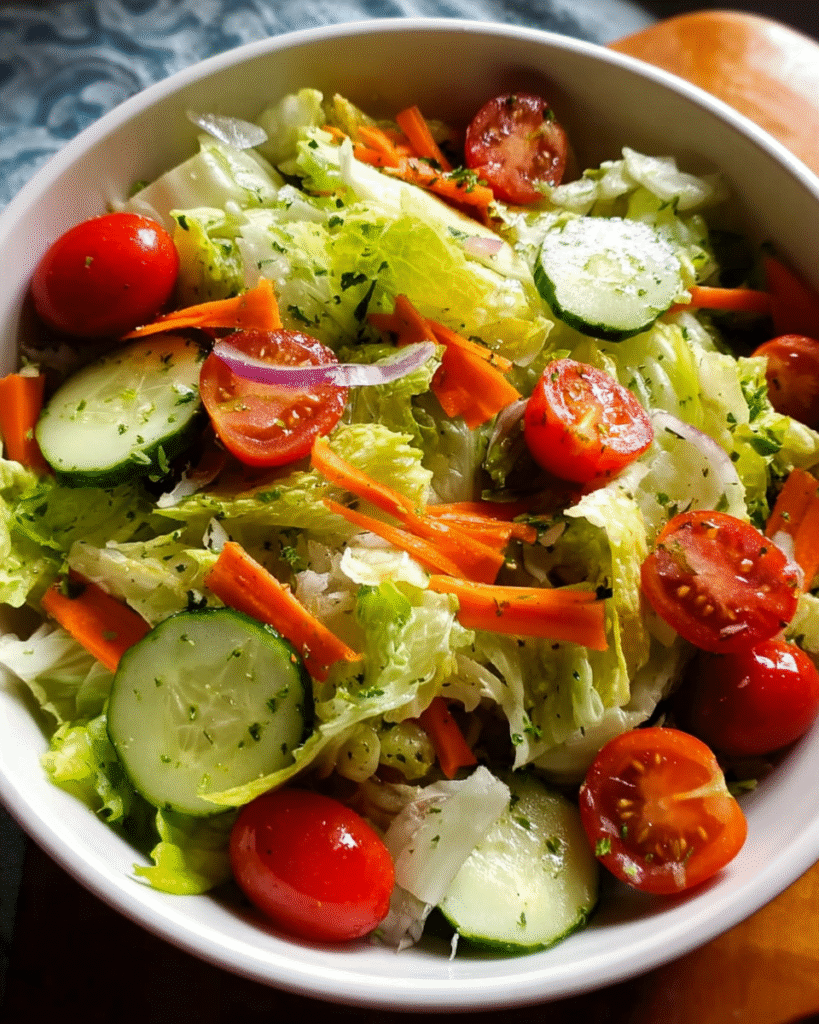
A typical garden salad includes a base of fresh lettuce—usually iceberg or romaine—combined with chopped cucumbers, tomatoes, carrots, and sometimes onions or herbs. It’s lightly tossed in a vinaigrette or simple dressing and served chilled. The focus is on raw, crisp vegetables that bring natural flavor, color, and texture to the dish without the need for heavy toppings.
What is the difference between a salad and a garden salad?
“Salad” is a broad term that includes any cold dish made from vegetables, grains, pasta, or proteins. A “garden salad,” however, specifically refers to a raw vegetable-based mix, typically without meats, cheeses, or cooked ingredients. It highlights fresh produce like lettuce, cucumbers, and tomatoes with a light dressing, focusing on simplicity and freshness over complexity.
How is garden salad made?
Garden salad is made by chopping and assembling raw vegetables—usually lettuce, tomatoes, cucumbers, and carrots—in a large bowl. A dressing of olive oil, vinegar, mustard, and seasoning is shaken in a jar and poured over the vegetables. After a gentle toss to evenly coat everything, the salad is ready to serve. No cooking is required, and the whole process takes less than 10 minutes.
What is in a garden salad in Australia?
In Australia, garden salads often include the standard mix of lettuce, tomatoes, cucumbers, and carrots, but may also feature local touches like beetroot slices, red onions, or even hard-boiled eggs. They’re dressed simply with olive oil and lemon or a light vinaigrette. The salad is popular at barbecues and picnics and is known for its fresh, unfussy approach.
Conclusion
The garden salad proves that simplicity never goes out of style. With fresh vegetables, a tangy dressing, and a quick prep time, it’s a versatile dish that fits into nearly any meal or occasion. Whether you’re embracing it as a side or enjoying it as a light main, garden salad offers a refreshing way to nourish your body and delight your taste buds. From Aussie barbecues to your own kitchen table, this timeless classic continues to evolve while staying true to its roots.
For more successful recipes, you can visit our Facebook page or our Pinterest account.