Green Goddess Pasta Salad: A Fresh and Flavorful Twist for Every Season
Intro :
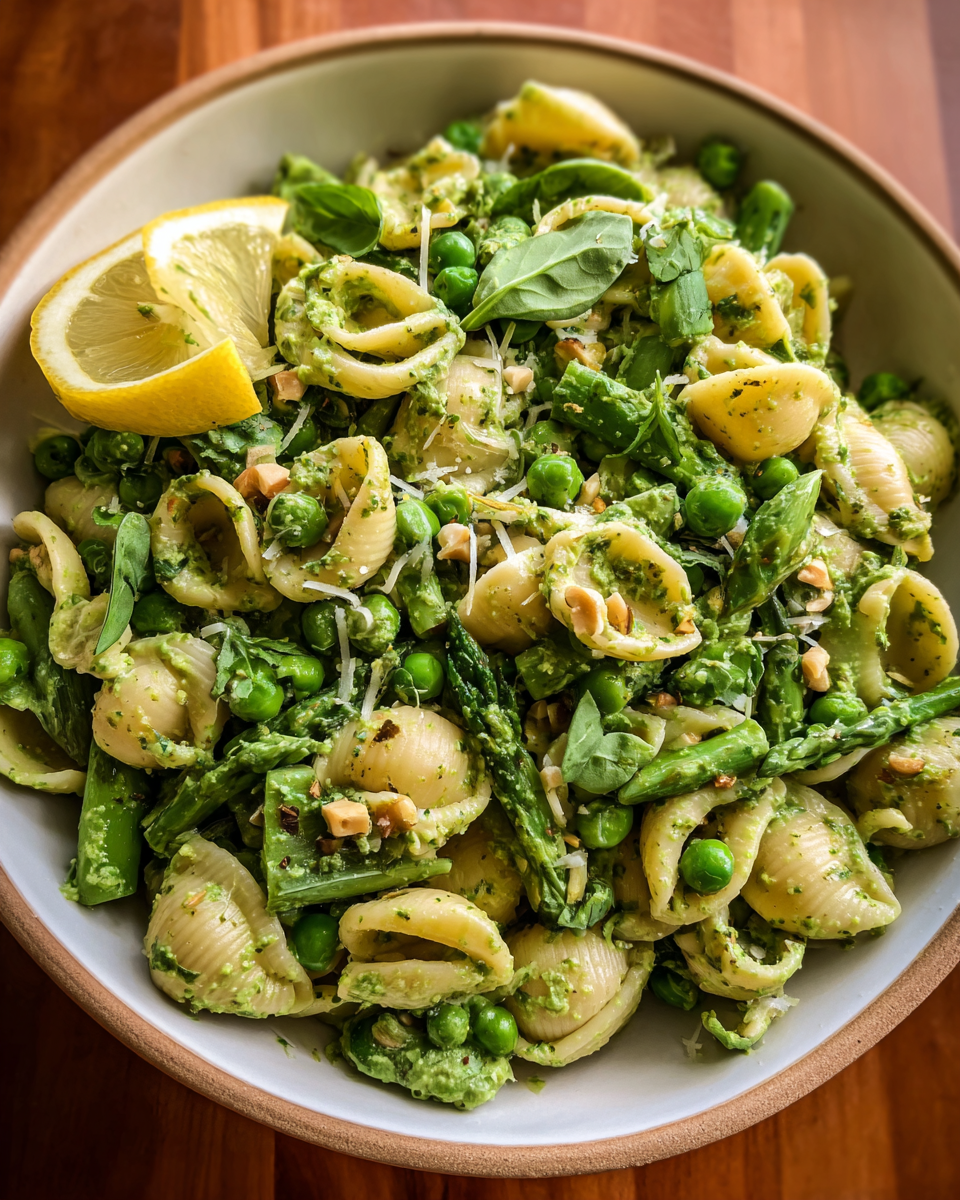
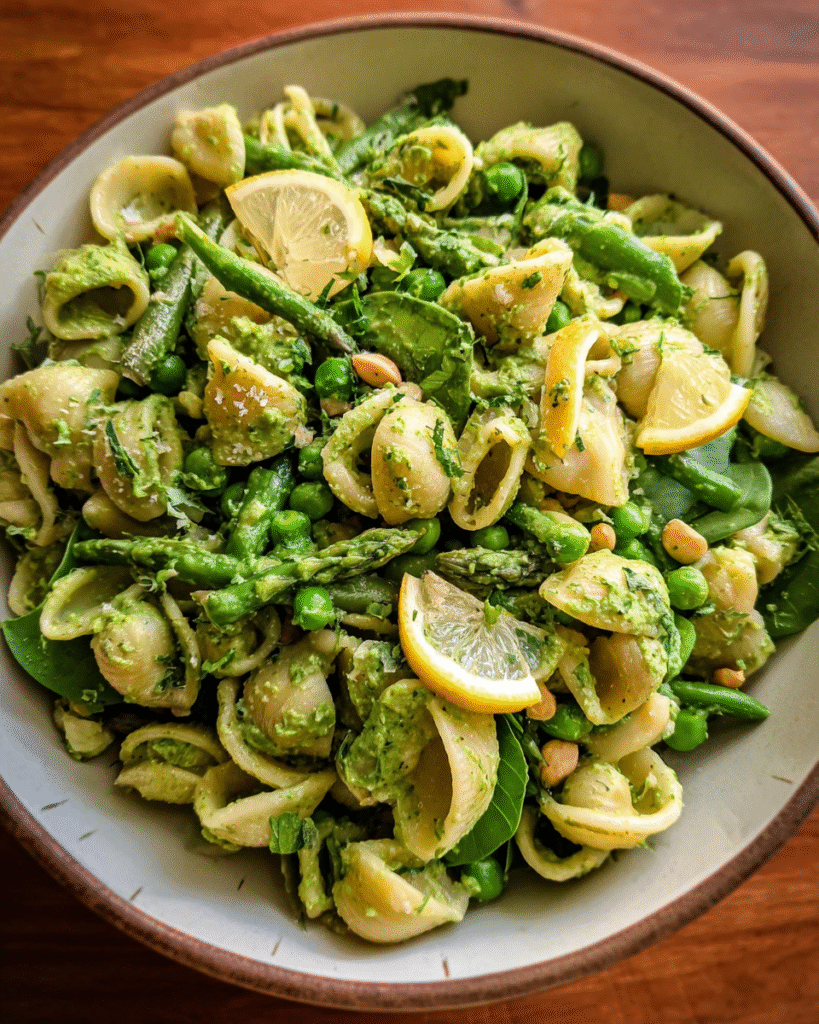
Green Goddess Pasta Salad is more than just a meal—it’s a vibrant bowl of nourishment and flavor. This article explores how to prepare this herby, lemony dish, highlighting its fresh ingredients, make-ahead versatility, and ways to customize it for any diet. Whether you’re hosting a picnic or meal-prepping for the week, this recipe brings out the best in seasonal vegetables and wholesome herbs. We’ll break down the origin of the green goddess dressing, share smart cooking tips, and show how to keep your pasta salad vibrant and never mushy. Let’s unlock the green magic that’s taken over modern salad bowls.
Green Goddess Pasta Salad: A Fresh and Flavorful Twist for Every Season
- Total Time: 30 minutes
- Yield: 4 to 6 servings
Description
- Green Goddess Pasta Salad brings together creamy herb dressing, vibrant veggies & flexible swaps. Perfect for any diet, anytime.
Ingredients
-
For the Dressing:
-
Juice of 2 lemons (about 3 tablespoons)
-
1/2 cup olive oil
-
1 1/4 cups fresh basil leaves, packed
-
1 cup baby spinach leaves, packed
-
2 garlic cloves
-
1/4 cup raw cashews
-
1/3 cup nutritional yeast or grated hard cheese (non-pork based)
-
1 teaspoon salt
-
1/2 teaspoon black pepper
For the Salad:
-
1 tablespoon salt (for pasta water)
-
1 pound medium pasta shells (or any short pasta like penne, fusilli, or farfalle)
-
1 1/2 cups frozen peas
-
12 thin asparagus spears, trimmed and chopped into 1/2-inch pieces
-
1 fennel bulb, cored and thinly sliced
-
6 ounces pitted green olives, drained
-
3 tablespoons chopped chives
-
3 scallions, thinly sliced
-
Zest of 2 lemons
-
Instructions
-
Boil the Pasta Water:
Fill a large pot with about 3 quarts of water, add 1 tablespoon of salt, and bring it to a boil over high heat. -
Make the Dressing:
Zest the lemons and set the zest aside. Juice the lemons into a blender, then add olive oil, basil, spinach, garlic, cashews, nutritional yeast or cheese, salt, and pepper. Blend until completely smooth. -
Cook the Pasta and Veggies:
Add pasta to the boiling water. Two minutes before the pasta is done, stir in the frozen peas and chopped asparagus. Cook together for the final 2 minutes. Drain and rinse under cold water to stop cooking. -
Combine the Salad:
In a large bowl, mix the cooled pasta, peas, asparagus, fennel, olives, chives, scallions, and lemon zest. Pour in the dressing and toss well to coat. Taste and adjust seasoning as needed. -
Serve and Store:
Serve immediately at room temperature or chill in the refrigerator before serving. Store leftovers in an airtight container in the fridge for up to 3 days.
- Prep Time: 15 minutes
- Cook Time: 15 minutes
- Category: Pasta and Grain Salads
- Method: Boiling, Blending
- Cuisine: American-Inspired
Table of Contents
The Story Behind Green Goddess Pasta Salad
A salad that feels like spring on your plate
My love affair with pasta salads began at a spring garden party in my grandmother’s backyard. One bite of something crisp, herby, and lemon-bright made me rethink what salad could be. Years later, this Green Goddess Pasta Salad captures that same energy—with a creamy, basil-forward dressing that clings to every pasta shell and wraps each vegetable in flavor. It’s not just another side dish—it’s the main event in our home.
This dish marries everything I love: the creaminess of cashews, the brightness of lemon, and the burst of green from asparagus, fennel, and peas. It’s a salad built for flavor and designed for modern dietary needs.
Why Green Goddess stands out
The dressing in this pasta salad is its crown jewel. Unlike the heavy mayo-based versions of old-school pasta salads, this one uses a blended mix of fresh basil, spinach, olive oil, cashews, garlic, and lemon. It’s bold and bright, with just the right creamy texture. Nutritional yeast (or cheese, if preferred) gives it a slightly cheesy undertone—rich but never overpowering.
Each bite balances freshness with richness. The peas and asparagus offer light crunch, fennel adds an unexpected herbal sweetness, and the olives bring a tangy contrast. All of it gets pulled together by the dressing’s vibrant, herbaceous tone.
A modern comfort classic
Green Goddess Pasta Salad doesn’t just taste good—it aligns with how many of us want to eat: plant-forward, packed with flavor, and flexible. It’s easily adapted for vegan or gluten-free diets, it holds up well in the fridge, and it’s a welcome change from mayo-heavy picnic fare. Serve it with grilled proteins or let it shine solo. This dish isn’t just a trend—it’s here to stay.
Smart Techniques for Best Flavor & Texture
Mastering the dressing for bold, balanced flavor
The heart of this Green Goddess Pasta Salad lies in its deeply flavorful, herb-powered dressing. But even the freshest ingredients can fall flat without the right technique. Here’s how to get the most out of every component.
First, always use fresh basil and baby spinach—never wilted greens. Their oils and chlorophyll provide the brilliant color and flavor that bottled dressings can’t touch. When blending, start with lemon juice and olive oil, then add garlic, soaked raw cashews, and your greens. This order helps create an ultra-smooth, creamy emulsion.
Nutritional yeast or grated hard cheese delivers umami depth. Whichever you use, blend until the dressing is vibrant and silky. Taste and adjust—this is where you control brightness, salt, and richness. A tiny splash of water or more lemon juice can correct thickness or flavor imbalance without compromising creaminess.
Cooking pasta and veggies to perfection
Getting the right texture in pasta salad isn’t hard—but it does take intention. Use short, sturdy pasta like shells, penne, or fusilli. Cook in salted water, and boil just past al dente if serving cold. That extra minute ensures the pasta doesn’t stiffen too much once chilled.
Here’s a time-saving move: toss in frozen peas and chopped asparagus two minutes before the pasta is done. This gently cooks the vegetables without turning them mushy. Then, rinse everything under cold water to halt cooking. It’s a small step that makes a big difference in preserving color, bite, and freshness.
Fennel and olives don’t need cooking—just thinly slice and mix in after draining the pasta. Add lemon zest last to avoid bitterness and preserve its fragrant oils.
Make-Ahead Tips and Storage for Green Goddess Pasta Salad
Prep in parts for stress-free meals
One of the biggest advantages of Green Goddess Pasta Salad is its make-ahead flexibility. Whether you’re prepping for a picnic, a potluck, or just an easy weeknight dinner, this dish can be broken down into quick, manageable steps.
Start by making the dressing a day or two ahead. Store it in an airtight jar in the fridge—shake or stir before using, and if it thickens too much, loosen with a spoonful of water or lemon juice. The flavors deepen overnight, but stay vibrant thanks to the lemon and herbs.
Pasta and vegetables can also be pre-cooked and chilled ahead of time. After draining and rinsing, toss them with a splash of olive oil to prevent sticking. Store components separately and assemble closer to serving, or go ahead and combine everything if serving within 24 hours.
For best texture, consider reserving a few tablespoons of dressing. Toss that in just before serving to refresh the flavor and coat the pasta fully.
Storage tips that preserve texture and taste
Once assembled, store Green Goddess Pasta Salad in an airtight container in the fridge. It keeps well for up to three days. If you’re storing leftovers, know that the pasta will continue to absorb moisture from the dressing—so adding a splash of olive oil or lemon juice can revive it.
Don’t store this salad warm. Always cool it before refrigerating to avoid mushy pasta or wilting greens. And avoid freezing—it changes the texture of the pasta and makes the greens limp.
Whether served chilled or at room temperature, this salad remains crisp, creamy, and deeply satisfying—a perfect make-ahead recipe that doesn’t sacrifice flavor.
Variations and Dietary Swaps for Green Goddess Pasta Salad
Easy swaps for gluten-free, dairy-free, or vegan needs
One of the best things about Green Goddess Pasta Salad is how easy it is to customize. Whether you’re avoiding gluten, dairy, or just want to experiment, this dish adapts beautifully.
For gluten-free diets, simply switch the pasta to a gluten-free version—rice-based, lentil, or chickpea pasta works well. These alternatives tend to hold their shape and offer more protein, making them ideal for plant-forward eaters.
To make it fully dairy-free or vegan, use nutritional yeast instead of cheese in the dressing. It provides a cheesy, umami depth without any animal products. And since the base is made with soaked cashews, there’s no need for heavy cream or mayo—making the entire salad naturally creamy without the dairy.
Avoiding high-sodium ingredients? Use fewer olives or substitute with diced cucumbers or blanched green beans. Lower the salt in the dressing slightly and let the lemon, garlic, and herbs shine.
Ingredient ideas to match the season
This salad isn’t locked to a single season—it evolves with what’s fresh and available. In spring, asparagus and peas take the spotlight. Come summer, swap those for grilled zucchini, corn, or cherry tomatoes. Fall? Try roasted butternut squash and kale ribbons for a richer twist. In winter, you can blanch broccoli or use arugula for a peppery contrast.
You can even switch up the herbs. Basil is classic, but parsley, mint, tarragon, or cilantro can transform the flavor profile. Each variation brings a new dimension to this versatile pasta salad.
Want a little heat? Add crushed red pepper to the dressing. Craving crunch? Toss in toasted sunflower seeds or pine nuts right before serving.
FAQs
What is “Green Goddess” dressing, and what gives it its flavor?
Green Goddess dressing is a creamy, herb-packed sauce that’s known for its bright green color and bold flavor. The signature taste comes from fresh herbs like basil, parsley, or chives, balanced with lemon juice and garlic. In this version of Green Goddess Pasta Salad, the dressing uses basil, spinach, cashews, and nutritional yeast or cheese—creating a rich, savory blend that’s both vibrant and deeply flavorful.
Can I prepare the salad or dressing ahead of time?
Absolutely. This Green Goddess Pasta Salad is ideal for make-ahead prep. You can blend the dressing up to two days in advance and store it in the fridge. The pasta and vegetables can be cooked ahead, cooled, and stored separately. For best results, toss the salad together just before serving and reserve a bit of dressing to refresh the flavors later.
How do I prevent the pasta salad from becoming mushy?
The key to a perfectly textured Green Goddess Pasta Salad is in the cooking method. Boil the pasta until just tender, add veggies like peas and asparagus during the last two minutes of cooking, then rinse under cold water to stop the cooking process. Dry the pasta well and store it separately if prepping in advance. This keeps everything crisp and prevents sogginess.
Can I make this gluten-free or adjust for dietary preferences?
Yes—this salad is extremely flexible. To make it gluten-free, use your favorite short gluten-free pasta. For a dairy-free or vegan option, rely on nutritional yeast instead of cheese in the dressing. You can also switch out veggies, herbs, or even add proteins to match your dietary needs without compromising the essence of Green Goddess Pasta Salad.
Conclusion
Green Goddess Pasta Salad delivers everything you want in a bright, satisfying dish: rich herb flavor, fresh crunchy veggies, and a creamy texture that lifts every bite. The dressing—herb‑forward, lemony, and creamy—is the star, giving the salad its signature vibrancy. With just a few smart techniques like cooking pasta al dente, rinsing to stop cooking, and serving chilled or at room temperature, you’ll avoid the dreaded mushy salad. Best of all, it adapts easily for gluten‑free, dairy‑free, vegan, and other preferences without losing charm. Once you make this, you’ll reach for it again and again.
For more successful recipes, you can visit our Facebook page or our Pinterest account