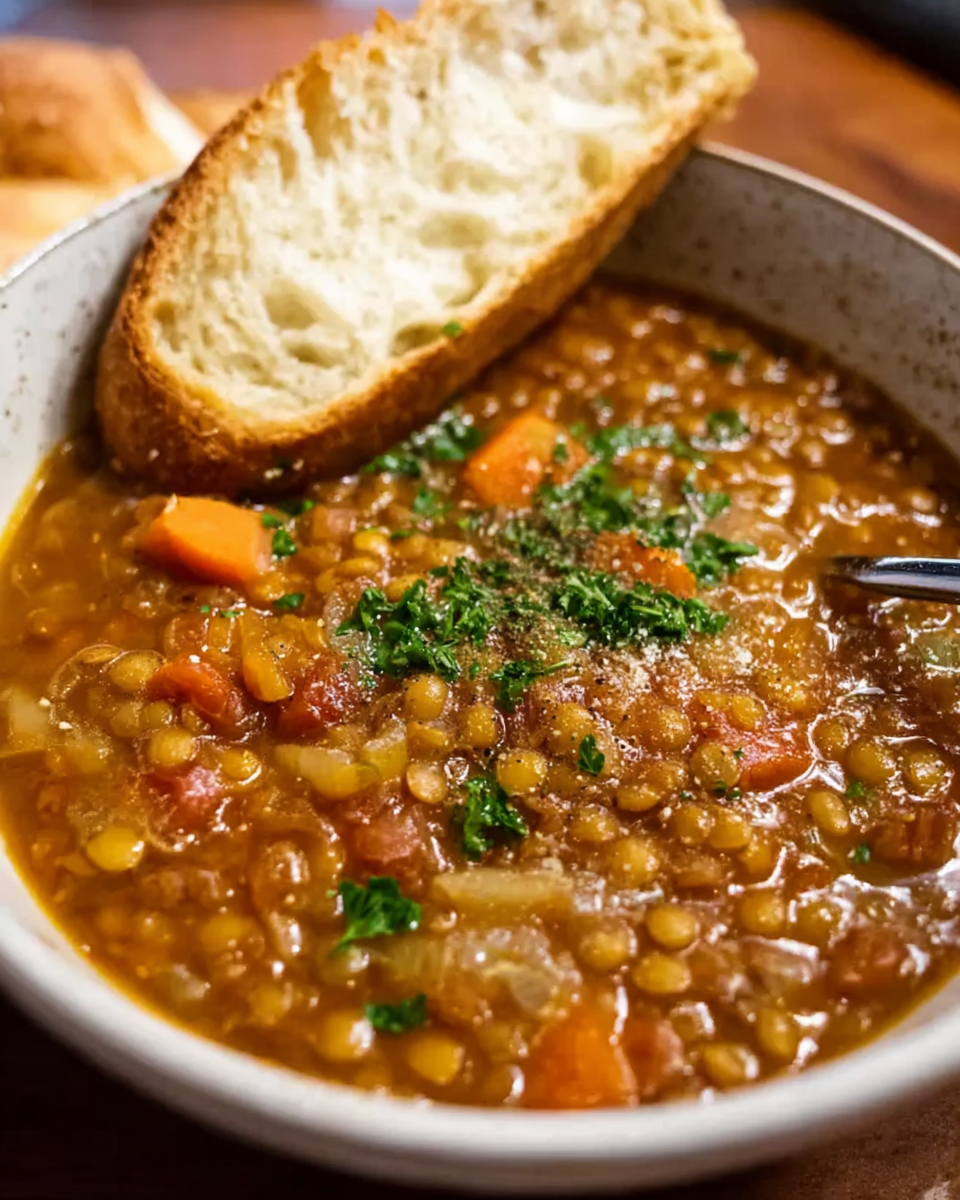
Lentil Soup That Warms the Soul: A Wholesome Classic
Introduction
Lentil soup is more than just a cozy bowl of nourishment—it’s a timeless dish with roots in kitchens around the globe. This article explores everything from its humble origins and nutritional powerhouse reputation to expert cooking techniques and common missteps. Whether you’re discovering it for the first time or trying to refine your go-to recipe, you’ll uncover how to master every layer of flavor. We’ll guide you through the secrets, benefits, variations, and FAQs, all while helping you whip up the ultimate bowl of lentil soup with ease.
Let’s start with the story and why this dish remains a staple in so many homes.
Print
Lentil Soup That Warms the Soul: A Wholesome Classic
- Total Time: 55 minutes
- Yield: 6 servings
Description
-
Lentil soup is a nutritious, hearty dish. Discover how to make the perfect bowl with rich flavor, clean ingredients, and vibrant spices.
Ingredients
-
2 tablespoons olive oil
-
1 medium onion, chopped
-
2 garlic cloves, minced
-
1 large carrot, chopped (about 1 1/4 cups)
-
2 celery stalks, chopped (about 1 1/4 cups)
-
2 cups dried green or brown lentils, rinsed
-
14 ounces crushed tomatoes
-
6 cups low-sodium vegetable broth
-
1/2 teaspoon ground cumin
-
1/2 teaspoon ground coriander
-
1 1/2 teaspoons paprika
-
2 dried bay leaves
-
Zest and juice of 1 lemon
-
1/4 teaspoon salt
-
1/4 teaspoon black pepper
-
Chopped fresh parsley, for garnish (optional)
-
Warm bread, for serving (optional)
Instructions
- Heat olive oil in a large pot over medium heat. Sauté the onion and garlic for about 2 minutes until fragrant.Add the chopped carrot and celery. Cook for 7–10 minutes, stirring occasionally, until the vegetables are tender and the onion becomes slightly sweet.Stir in the lentils, crushed tomatoes, broth, cumin, coriander, paprika, and bay leaves.Bring the mixture to a gentle boil, then reduce the heat to medium-low. Cover and simmer for 35–40 minutes or until the lentils are tender. Skim off any foam that forms on the surface.Remove and discard the bay leaves.For a slightly creamy texture, blend a portion of the soup using an immersion blender with 2–3 short pulses. Alternatively, blend about 2 cups of the soup in a blender, let cool slightly first, then return it to the pot.Adjust the consistency with a bit of water if needed. Stir in lemon zest and a squeeze of lemon juice just before serving. Season with salt and pepper to taste.Garnish with fresh parsley if desired and serve with warm bread.
- Prep Time: 10 minutes
- Cook Time: 45 minutes
- Category: SOUPS
- Method: Stovetop
- Cuisine: Western
Table of Contents
A Hearty Tradition—The Story of Lentil Soup
Memories of Comfort and Flavor
Some of my fondest kitchen memories involve simmering pots of lentil soup wafting their rich aroma through the house. Growing up, lentils were always in our pantry—humble, hearty, and incredibly versatile. This soup, often crafted with care by my grandmother, signified the beginning of autumn or the soothing answer to winter chills. She always added a splash of lemon at the end, which seemed magical—it brightened every spoonful and made the dish truly unforgettable.
I still recreate that magic today, using the same foundational flavors—onion, garlic, carrot, and celery—enhanced with cumin, paprika, and fresh herbs. Each ingredient in lentil soup has purpose: from the earthy lentils that provide protein and fiber to the lemon that enlivens the entire pot. The smell alone transports me back to those childhood days when food felt like love.
Why Lentil Soup Is Still a Go-To Favorite
The secret to lentil soup’s enduring popularity lies in its simplicity and versatility. It’s quick to prepare, affordable, and packed with nutrients—perfect for busy households or meal-prep lovers. Lentil soup can easily adapt to any dietary need. It’s naturally vegetarian, gluten-free, and can be made vegan with just a few tweaks.
With just a few pantry staples, you get a satisfying meal that tastes slow-cooked but comes together in under an hour. Plus, it’s a great way to sneak in more vegetables, herbs, and whole food goodness without much effort. If you’ve tried this Vietnamese pho recipe or even the cozy leek and potato soup, you’ll appreciate how lentil soup fits into that same comforting, nourishing category.
The Rise of Lentil Soup in Modern Kitchens
Lentil soup has evolved from rustic origins into a global favorite. Chefs and home cooks alike continue to reimagine this dish using international flavors—think Moroccan spices, Indian masala blends, or Mediterranean toppings like feta and olives. While the core recipe remains the same, lentil soup is a blank canvas for creativity.
Today, it’s common to see lentil soup featured on health blogs and restaurant menus, celebrated not just for flavor but also for its remarkable nutrition profile. It’s a reliable source of plant-based protein and fiber, with ingredients that naturally support heart health, digestion, and satiety.
Nutritional Power—Why Lentil Soup Is a Superfood Staple
Packed with Protein and Fiber
One of the most powerful reasons lentil soup remains a dietary cornerstone is its outstanding nutritional profile. Lentils are protein-rich legumes, offering around 18 grams of plant-based protein per serving. This makes lentil soup an excellent meat-free option that doesn’t compromise on satiety or energy. Alongside protein, each bowl delivers 22 grams of dietary fiber—essential for digestive health, blood sugar regulation, and long-lasting fullness.
This perfect pairing of protein and fiber makes lentil soup not only satisfying but also ideal for weight-conscious eaters. It’s no wonder that lentil soup is often recommended by nutritionists and wellness coaches looking to boost nutrient intake while keeping meals grounded in whole food simplicity.
Low in Fat, High in Nutrients
Lentil soup isn’t just hearty—it’s heart-smart. Naturally low in fat, with just 5 grams per serving, and completely free of cholesterol, it supports cardiovascular health. The dish is also packed with essential micronutrients including folate, iron, potassium, and magnesium, all of which contribute to healthy cell function, oxygen circulation, and nervous system support.
What sets lentil soup apart from other comfort foods is its ability to nourish without overloading the body. You’re fueling up with clean, wholesome ingredients—no heavy cream, no processed additives, no need for meat to make it fulfilling. Whether you’re following a vegetarian, dairy-free, or low-sodium diet, lentil soup fits right in.
The Benefits of Cooking with Whole Ingredients
Unlike canned versions filled with sodium and preservatives, homemade lentil soup lets you control what goes in your body. Using fresh vegetables, dried lentils, and real herbs ensures every bowl supports your health goals. You get to skip artificial flavors and still enjoy rich depth thanks to natural seasonings like cumin, coriander, and lemon zest.
It’s the ideal choice when you want to eat clean without sacrificing comfort or taste. And when paired with simple sides—like warm bread or fresh salad—lentil soup transforms from basic to complete nourishment.
Unlocking Flavor—How to Make Lentil Soup Taste Exceptional
Layering Aromatics for Depth
The foundation of outstanding lentil soup starts with aromatics. Sautéing onions and garlic in olive oil brings out their natural sweetness and builds a flavor base. When you add carrots and celery, you’re not just adding color—you’re creating a classic mirepoix that infuses the broth with warmth and complexity.
Timing matters. Let the vegetables cook long enough to soften and caramelize slightly. That sweetness pairs beautifully with the earthy lentils and acidic tomatoes, creating a natural umami profile without the need for meat or bouillon. These simple techniques transform lentil soup from bland to bold with minimal effort.
The Power of Spice and Citrus
Spices are the soul of lentil soup. A balanced blend of cumin, coriander, and paprika brings gentle heat and rich earthiness. But the real game-changer? Lemon. Both zest and juice should be added right at the end of cooking. This brightens the dish and cuts through the richness with a refreshing lift.
Many overlook lemon, but it’s the secret ingredient that makes lentil soup unforgettable. It turns a hearty meal into something dynamic. A generous handful of chopped parsley at the finish provides herbal contrast, making every bite feel fresh and clean.
Even small spice additions can make a big impact—just a pinch more cumin or a touch of chili flakes can customize the soup to your personal taste. Don’t be afraid to experiment.
Blending Techniques for Creamy Texture
While traditional lentil soup is chunky and rustic, a partial blend introduces a luscious creaminess without dairy. A few pulses of an immersion blender or blending just a portion of the soup makes the broth thick and velvety, enhancing mouthfeel.
It’s not about pureeing the whole pot—just enough to unify textures. This trick elevates the soup visually and texturally, giving it a more gourmet feel. If you want a smoother consistency, add a splash of broth or water while blending. It’s a flexible approach that adapts to every preference.
Avoiding Pitfalls—Common Mistakes in Making Lentil Soup
Skipping the Rinse: Why Preparation Matters
One of the most frequent mistakes when making lentil soup is skipping the rinse. Dried lentils often carry small debris and excess starch, which can cloud your soup or affect its texture. Always rinse lentils under cold water and inspect them for small stones or impurities. This simple step ensures a cleaner, better-tasting final dish.
Additionally, choosing the wrong type of lentil can change the outcome. Green or brown lentils hold their shape well during simmering, while red lentils tend to break down quickly, resulting in a mushier texture. For this recipe, stick with green or brown for the perfect balance of firmness and creaminess.
Overseasoning Too Early
Another major mistake in lentil soup recipes is over-seasoning early in the process. Lentils absorb flavors slowly, and adding salt or acid too soon can toughen their skins or create imbalance. It’s best to wait until the lentils are nearly tender before adding salt, pepper, and citrus.
Start with basic seasoning, then taste and adjust in the final five minutes. That’s when flavors are most expressive, and you can tailor the soup to perfection. Letting the soup rest for 10 minutes before serving can also help all the flavors meld beautifully.
Ignoring Texture and Consistency
Lentil soup can go from hearty to heavy if the consistency isn’t monitored. If it thickens too much, don’t hesitate to add water or broth in small amounts to loosen it. Likewise, be cautious not to over-blend. A completely smooth soup lacks the rustic charm and satisfying texture that makes lentil soup feel homemade and hearty.
Remember: blending just a portion, then folding it back in, is the secret to that perfect texture—part creamy, part chunky. It’s a small move with a big payoff.
Now that we’ve unraveled the how-tos and don’ts of this wholesome dish, let’s address some of the most commonly asked questions about lentil soup.
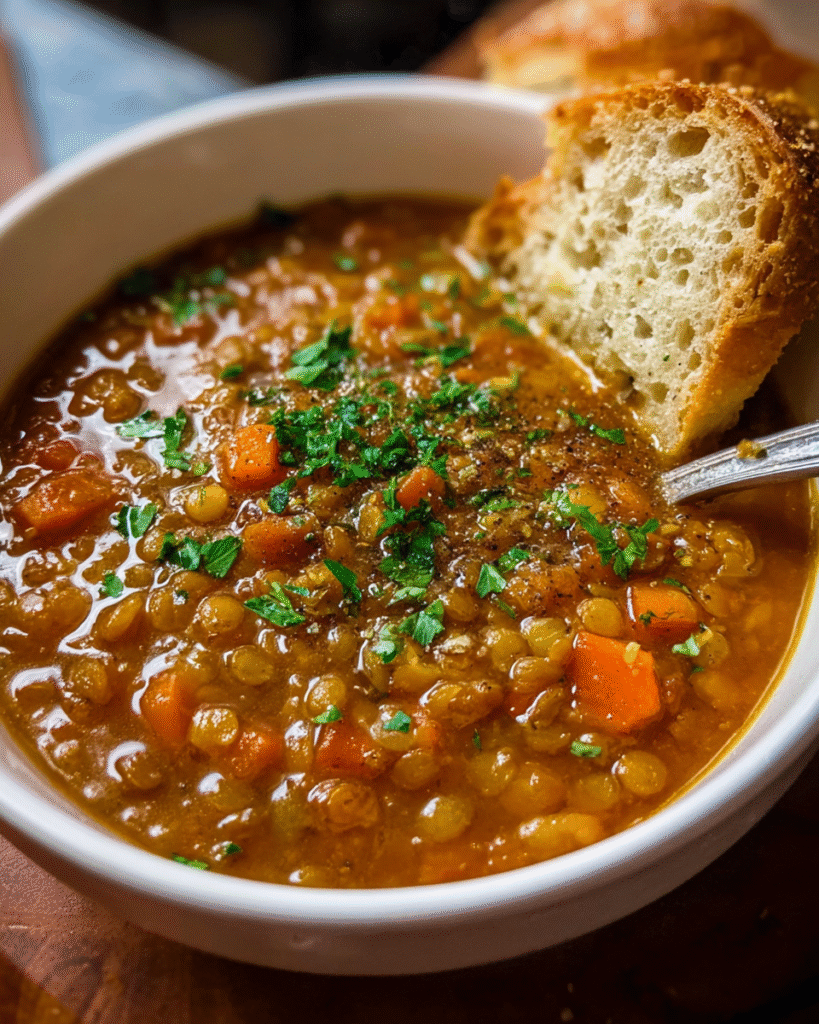
FAQS
Is lentil soup healthy for you?
Absolutely. Lentil soup is considered one of the healthiest comfort foods. It’s high in plant-based protein, rich in fiber, and low in fat and cholesterol. Each bowl provides essential vitamins and minerals like iron, folate, potassium, and magnesium. When made from scratch with wholesome ingredients—as in this recipe—it becomes a nutrient-dense, heart-healthy meal suitable for vegetarian and dairy-free diets.
What is the secret ingredient in lentil soup?
The secret lies in the finishing touch: lemon zest and juice. Adding citrus just before serving brightens the soup and balances its earthy depth. This simple ingredient elevates the flavor without complicating the process. A handful of fresh parsley adds extra vibrancy and freshness. These final touches are what transform a good lentil soup into a remarkable one.
How do you make lentil soup?
It starts by sautéing onions, garlic, carrots, and celery in olive oil. Add lentils, crushed tomatoes, broth, and spices, then simmer until the lentils are tender. A quick partial blend creates a creamier texture. Finally, stir in lemon zest and juice, adjust the seasoning, and serve with warm bread. This easy stovetop method makes a comforting, nutrient-rich soup ready in under an hour.
What are the common mistakes in making lentil soup?
Some typical errors include skipping the rinse (which can introduce bitterness or debris), adding salt too early (which toughens lentils), and over-blending (which sacrifices texture). Another misstep is ignoring the soup’s consistency—too thick, and it becomes stew; too thin, and it lacks satisfaction. A good rule is to simmer gently, season late, and blend thoughtfully.
Conclusion
Lentil soup is a timeless recipe that blends flavor, comfort, and wellness in a single pot. From its nutrient-rich profile and versatility to the spice and citrus balance that enhances every bite, it’s no surprise this dish remains a staple in modern kitchens. With just a few pantry staples and thoughtful technique, anyone can master a deeply satisfying lentil soup that feels both familiar and elevated.
If this cozy classic resonated with you, you’ll love exploring other warm favorites like this leek and potato soup or globally inspired bowls like Vietnamese pho—each recipe crafted with heart, tradition, and flavor in mind.
For more successful recipes, you can visit our Facebook page or our Pinterest account