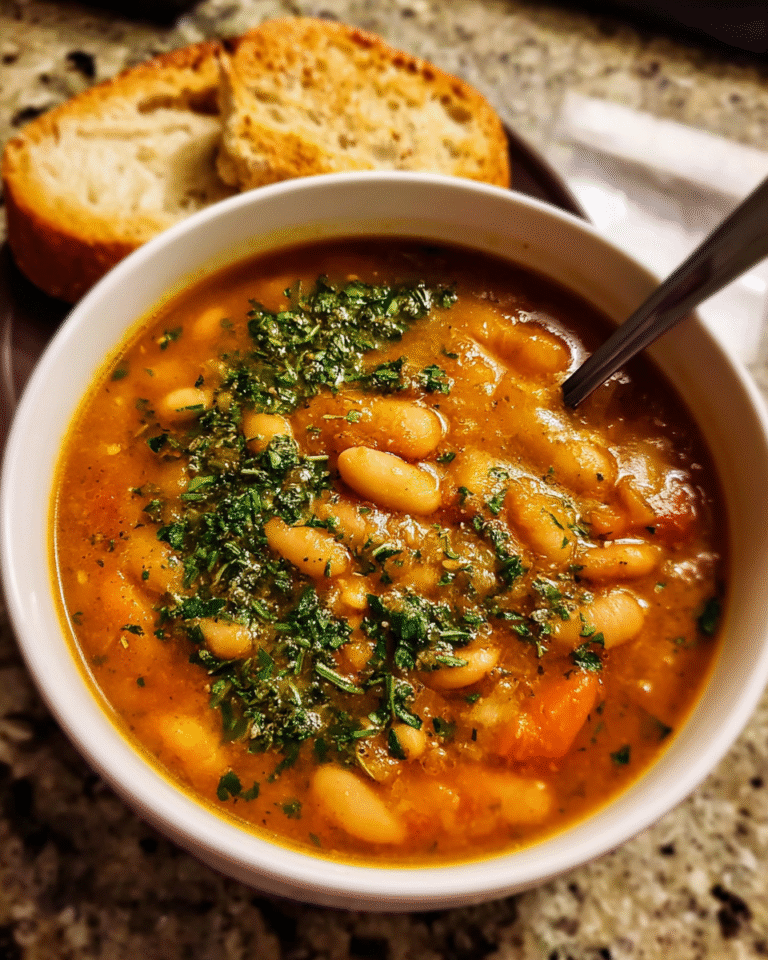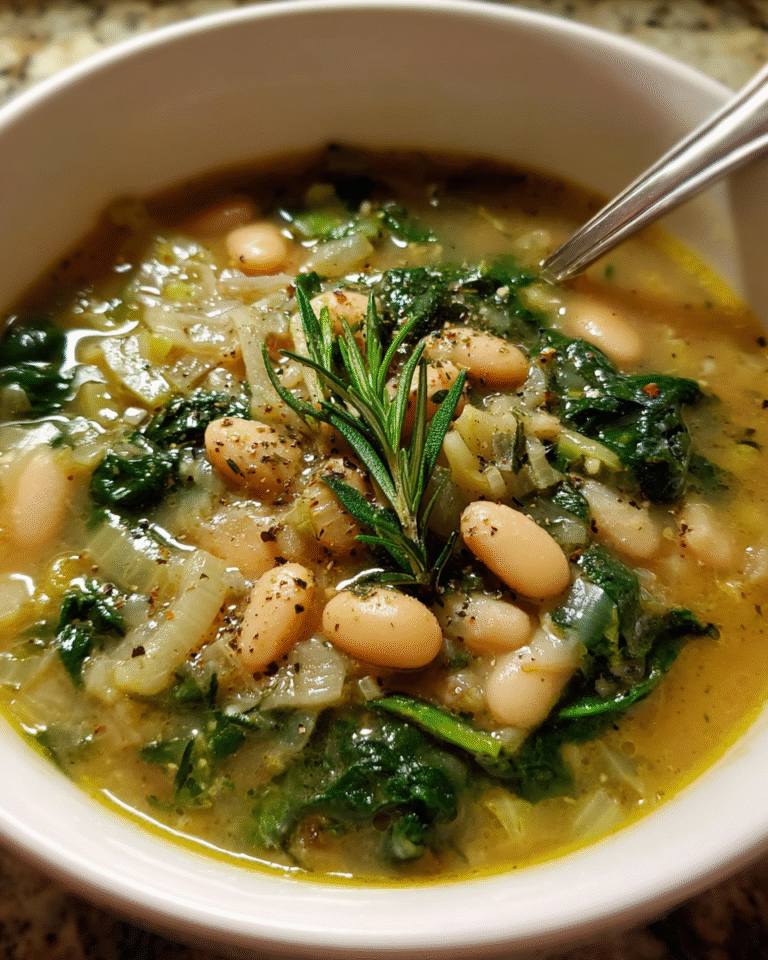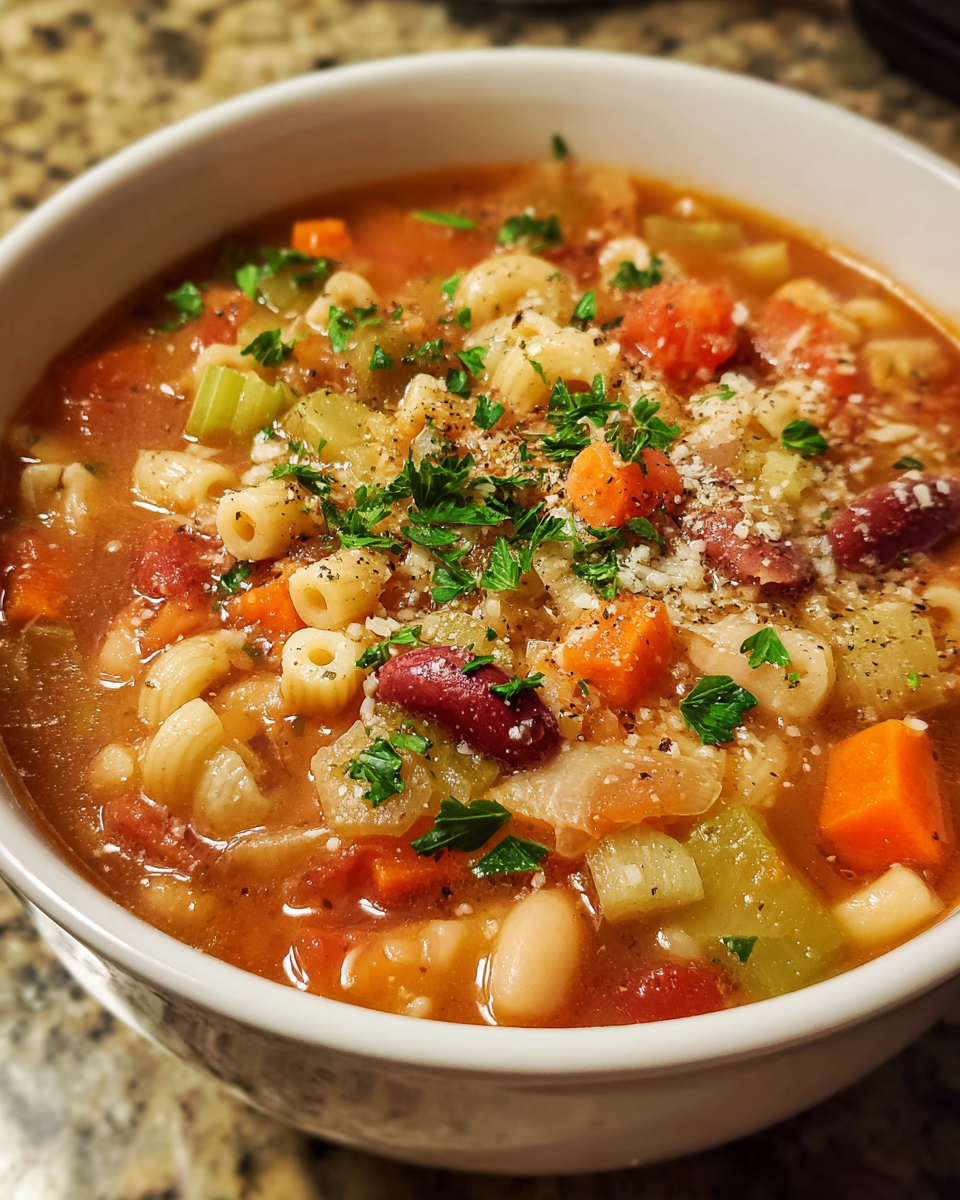
Pasta e Fagioli — A Hearty Italian Classic with Timeless Comfort
Introduction :
Pasta e fagioli is more than just a meal — it’s tradition in a bowl. This humble yet satisfying Italian classic, meaning “pasta and beans,” delivers rich flavor with simple, pantry-friendly ingredients. In this article, we’ll explore the roots of pasta e fagioli, the regional and modern variations, and walk you through a foolproof, authentic recipe. Whether you’re new to Italian cooking or craving comfort food that feels homemade, this dish offers both. Along the way, we’ll answer key questions like how long you can store it and what other names it’s known by. Let’s dive into this delicious tradition.
Pasta e Fagioli — A Hearty Italian Classic with Timeless Comfort
- Total Time: 45 minutes
- Yield: 6 servings
Description
- Pasta e fagioli is the ultimate Italian comfort food. Discover its roots, variations, and how to make it in one flavorful, satisfying bowl.
Ingredients
-
2 tablespoons olive oil
-
1 small onion, finely chopped
-
2 garlic cloves, minced
-
2 medium carrots, diced
-
2 celery stalks, diced
-
1 (14.5-ounce) can diced tomatoes
-
4 cups low-sodium chicken broth
-
1 (15-ounce) can cannellini beans, drained and rinsed
-
1 (15-ounce) can red kidney beans, drained and rinsed
-
1 teaspoon dried oregano
-
1 teaspoon dried basil
-
½ teaspoon red pepper flakes (optional)
-
1 cube chicken bouillon
-
1 cup ditalini or other small pasta
-
Salt and black pepper, to taste
-
Freshly grated Parmesan cheese, for serving
-
Fresh parsley, chopped, for garnish
Instructions
-
Heat olive oil in a large Dutch oven over medium heat. Sauté the onion, garlic, carrots, and celery for 5–7 minutes until softened.
-
Stir in the diced tomatoes and chicken broth. Bring to a boil.
-
Add the beans, oregano, basil, red pepper flakes (if using), and chicken bouillon. Season with salt and pepper. Reduce heat and simmer for 15 minutes.
-
Add pasta and cook according to package instructions (8–10 minutes) until al dente. Add extra broth or water if needed for desired soup consistency.
-
Serve hot, garnished with Parmesan and chopped parsley.
- Prep Time: 15 minutes
- Cook Time: 30 minutes
- Category: SOUPS
- Method: Stovetop
- Cuisine: Italian
Table of Contents
What Is Pasta e Fagioli?
The Meaning Behind “Pasta e Fagioli”
The name “pasta e fagioli” translates directly from Italian as “pasta and beans,” and that’s exactly what this iconic dish is at its core. But simplicity doesn’t mean lack of flavor. This is a dish built on tradition, where common ingredients transform into something deeply comforting and satisfying. Found in every corner of Italy, the phrase alone evokes warmth, family meals, and time-honored cooking. Some know it by its Americanized name “pasta fazool,” a nod to Southern Italian dialects brought over by immigrants. But whatever the pronunciation, the essence remains: rustic, wholesome food made with love.
Common Ingredients in Pasta e Fagioli
Pasta e fagioli typically includes a short pasta—like ditalini or elbow macaroni—and one or two types of beans, most often cannellini and red kidney. But the real backbone of flavor lies in the aromatic base of olive oil, garlic, onion, celery, and carrots, known in Italian cuisine as the soffritto. Some versions are brothy, while others are thicker, stew-like. Tomato adds acidity and color in many recipes, while herbs like oregano and basil round out the flavor. It’s this flexibility that makes the dish so versatile. You’ll even find some variations include pancetta or Parmesan rinds for deeper richness.
Why It’s the Ultimate Comfort Food
What makes pasta e fagioli so special isn’t just its ingredients—it’s how they come together. Each spoonful delivers tender pasta, creamy beans, and a broth infused with herbs and vegetables. It’s filling without being heavy and deeply nourishing without needing meat. The recipe you’ll find here captures that spirit perfectly: it’s easy to make, cozy to eat, and rooted in Italian culinary tradition. Whether enjoyed on a chilly evening or prepared ahead for a busy week, pasta e fagioli remains a soul-soothing favorite that never goes out of style.
Where Is Pasta e Fagioli From?
Regional Roots Across Italy
Pasta e fagioli is a dish born from Italy’s diverse regional cooking traditions. While no single town claims sole ownership, the soup appears in various forms throughout the country. In Northern Italy, it’s often made with borlotti beans and may include small amounts of pancetta or speck for richness. Southern versions, especially in Naples and Calabria, lean into red kidney beans and a heartier, tomato-based broth. Even the pasta shape varies — from ditalini in Campania to broken spaghetti in Lazio. This rich diversity speaks to how pasta e fagioli adapts to local ingredients while maintaining its humble heart.
The Dish’s Humble Peasant Origins
At its core, pasta e fagioli is a classic example of cucina povera — the “poor kitchen” style of Italian cooking that emphasizes frugality and resourcefulness. Families would use whatever beans and pasta they had on hand, stretching them into a filling meal that could nourish many. This frugal spirit didn’t mean blandness; rather, it celebrated simplicity and clever layering of flavor. Onions, garlic, herbs, and a good olive oil were enough to create something rich and soulful. It’s a dish designed not to impress with extravagance but to comfort with authenticity.
From Italy to Italian-American Tables
When Italian immigrants brought their cooking to the United States, pasta e fagioli came with them, quickly earning a place in the Italian-American kitchen. Over time, it evolved into “pasta fazool,” especially in New York and New Jersey neighborhoods where Neapolitan dialects influenced pronunciation. These American versions often included more tomato and meat, adapting to local tastes and availability. Yet the heart of the dish remained the same — a warming, one-pot meal that brings people together. Like Hungarian Goulash, it’s a dish that blends Old World roots with New World adaptability.
Ingredients and Variations for Pasta e Fagioli
Simple Ingredients with Bold Flavor
What makes pasta e fagioli so beloved is its ability to create bold flavor using humble, pantry-friendly ingredients. At the base of the dish is the soffritto — a medley of finely chopped onion, garlic, carrots, and celery sautéed in olive oil. This forms the aromatic foundation. Canned diced tomatoes bring brightness and acidity, while the combination of cannellini and red kidney beans adds texture and protein. Low-sodium chicken broth and a cube of bouillon enhance depth, while dried oregano and basil infuse herbal complexity. Ditalini pasta ties everything together into a spoonable, satisfying meal.
Regional and Seasonal Twists
Across Italy and beyond, cooks have personalized pasta e fagioli to suit their tastes and local ingredients. Some prefer a tomato-free broth, especially in Northern Italy, where a lighter, white version showcases the beans. Others add pancetta, bacon, or even sausage for a meaty dimension. In Tuscany, a popular addition is a Parmesan rind simmered in the broth for a creamy umami note. Vegans often omit cheese and use vegetable broth instead. As seasons change, so do the additions — summer versions may feature fresh herbs and zucchini, while winter calls for a thicker, stew-like consistency.
Our Modern Take on Tradition
The recipe featured here honors the roots of pasta e fagioli while adapting it for modern kitchens. It keeps things accessible with canned beans and broth, yet doesn’t sacrifice flavor. A dash of red pepper flakes adds gentle heat, and using ditalini ensures each bite is balanced. The soup cooks quickly yet tastes like it simmered all day. Garnishing with freshly grated Parmesan and parsley provides a vibrant, restaurant-quality finish. For another soul-warming, vegetable-packed option, don’t miss this Roasted Red Pepper Soup — equally simple and deeply satisfying.
Step-by-Step Cooking Method for Pasta e Fagioli
Building the Flavor Base
The secret to an exceptional pasta e fagioli lies in its foundation — the aromatic base known as soffritto. Begin by heating olive oil in a Dutch oven or heavy-bottomed pot. Add finely chopped onion, garlic, diced carrots, and celery. Sauté this mixture over medium heat for 5 to 7 minutes until it’s soft and fragrant. This step is crucial; the vegetables not only flavor the broth but also offer sweetness and depth. Stir occasionally and avoid browning — the goal is a mellow, unified base that sets the tone for the entire dish.
Simmering the Broth and Beans
Once the soffritto is tender, stir in the diced tomatoes and chicken broth. Turn the heat up to bring the mixture to a boil. Then reduce it to a simmer and add your drained and rinsed cannellini and red kidney beans. Season with dried oregano, basil, and optional red pepper flakes if you like a bit of heat. Drop in the chicken bouillon cube for added savoriness. Taste and season with salt and black pepper. Let the soup simmer for about 15 minutes — enough time for the flavors to marry and develop a rich, hearty character.
Adding the Pasta and Finishing Touches
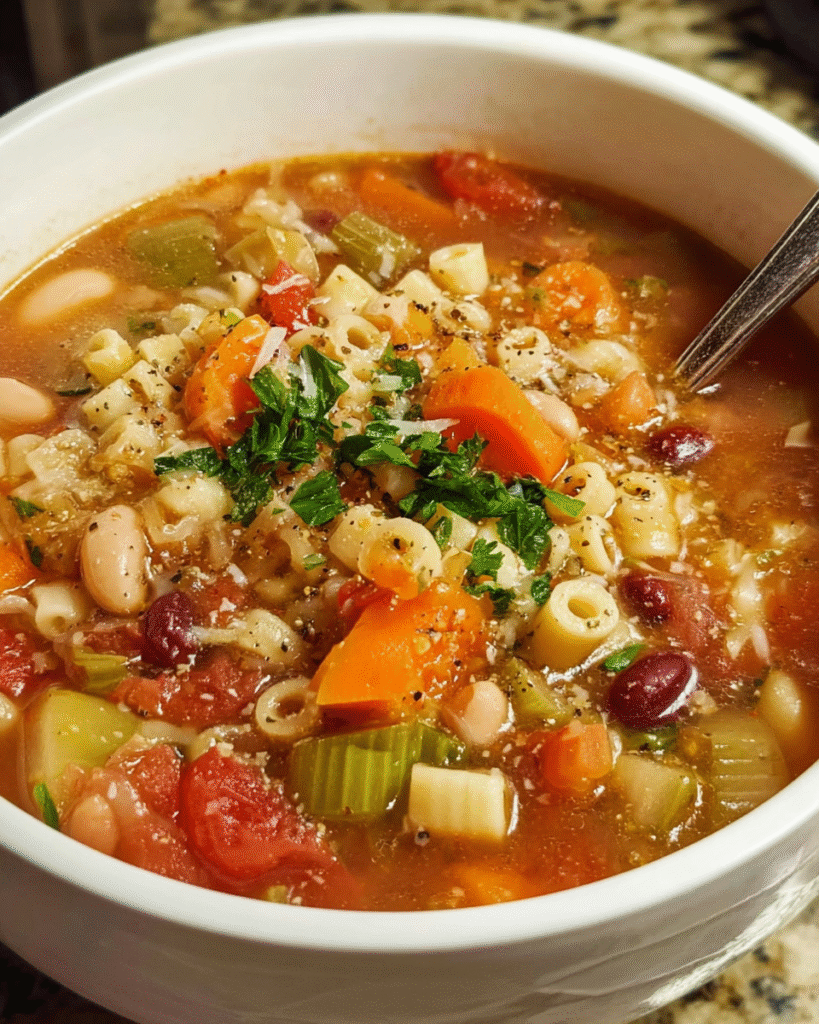
Once the broth is flavorful, stir in the dry pasta — ditalini is perfect for its size and shape, which complements the beans beautifully. Cook the pasta directly in the soup according to package instructions, usually 8 to 10 minutes. Stir often to prevent sticking, and add a bit of extra broth or water if the soup thickens too much. The pasta will absorb some liquid as it cooks. Once al dente, ladle the soup into bowls and top generously with freshly grated Parmesan and a sprinkle of chopped parsley. Serve hot and savor the comfort in every bite.
Storage, Serving & Pairing Tips for Pasta e Fagioli
Serving Suggestions for Maximum Enjoyment
Pasta e fagioli shines brightest when served hot and fresh, ideally right after the pasta reaches al dente. For an authentic presentation, ladle it into wide bowls and finish with a flourish of freshly grated Parmesan cheese and chopped parsley. A drizzle of high-quality olive oil adds richness, while a slice of crusty bread or focaccia on the side turns it into a complete meal. Some even enjoy it with a side salad — the fresh crunch balances the warm, hearty soup. It’s a perfect weeknight dinner or comforting weekend treat that feels like home in every bite.
How to Store and Reheat the Dish
Like many soups, pasta e fagioli stores beautifully. Allow it to cool completely before transferring it to an airtight container. It keeps in the refrigerator for up to 4 days. Keep in mind that the pasta will continue absorbing liquid as it sits, which thickens the soup. To revive it, simply add a splash of broth or water while reheating over medium heat. If you plan to store it long-term, consider freezing the soup without the pasta — just add fresh-cooked ditalini when reheating. This trick preserves texture and avoids mushy results.
Perfect Pairings and Side Dishes
Pasta e fagioli is hearty enough to stand alone, but pairing it with the right accompaniments elevates the meal. A rustic loaf of bread with olive oil for dipping enhances the experience. For wine lovers, a light-bodied Italian red like Chianti or Dolcetto complements the dish’s earthy depth. If you’re looking for contrast, a crisp arugula salad with lemon vinaigrette cuts through the richness nicely. Like Hungarian Goulash, this soup invites cozy companions and bold flavors to the table, making every bite even more memorable.
FAQS
What is pasta e fagioli?
Pasta e fagioli is a traditional Italian soup made from pasta and beans. It’s a classic comfort food known for its hearty texture and deeply savory flavor. The dish typically combines short pasta like ditalini with white and red beans, vegetables, herbs, and either a tomato-based or broth-style soup. Its simplicity and adaptability make it a staple in both Italian and Italian-American kitchens. Despite its humble origins, it delivers rich, satisfying flavor with very basic ingredients — which is exactly why it has remained so beloved across generations.
Where is pasta fagioli from?
Pasta e fagioli has its roots in Italy, especially in rural regions where frugal, resourceful cooking shaped the cuisine. It’s widely made in both Northern and Southern Italy, with each area offering unique variations. Northern Italy leans toward a lighter, broth-based version with borlotti beans, while Southern areas like Naples prefer a richer, tomato-based approach. Italian immigrants brought the dish to America, where it became known as “pasta fazool,” especially in New York and New Jersey. It’s one of those dishes that captures the soul of a place through every spoonful.
How long can you keep pasta fagioli?
Pasta e fagioli stores well in the refrigerator for up to 4 days when kept in an airtight container. If you know you’ll be storing it, consider cooking and storing the pasta separately to prevent it from becoming too soft. When reheating, you can add a splash of water or broth to loosen the soup, as it tends to thicken. For longer storage, freeze the soup without pasta for up to 3 months and cook fresh pasta when serving. This keeps the texture just right and preserves its homemade charm.
What is another name for pasta fagioli?
A common alternate name is “pasta fazool,” which stems from the Neapolitan dialect’s pronunciation of “fagioli.” This version became popular in the United States among Italian-American communities. While “pasta e fagioli” is the standard Italian term, “fazool” reflects the dish’s immigrant journey and cultural crossover. Both names refer to the same comforting classic — a bowlful of pasta and beans that transcends language through its flavor and tradition.
Conclusion
Pasta e fagioli isn’t just a recipe — it’s a story passed down through generations, rooted in Italian tradition and shaped by global kitchens. From its origins as a simple peasant dish to its evolution in Italian-American homes, this humble combination of pasta and beans has proven its timeless appeal. With minimal ingredients, bold flavors, and unmatched comfort, it’s a meal that feeds both body and soul.
This guide walked you through what pasta e fagioli is, where it comes from, how to prepare it, and how best to store and enjoy it. Now it’s your turn to bring this tradition to life in your own kitchen — a dish that will warm your table and create new memories with every spoonful.
For more successful recipes, you can visit our Facebook page or our Pinterest account