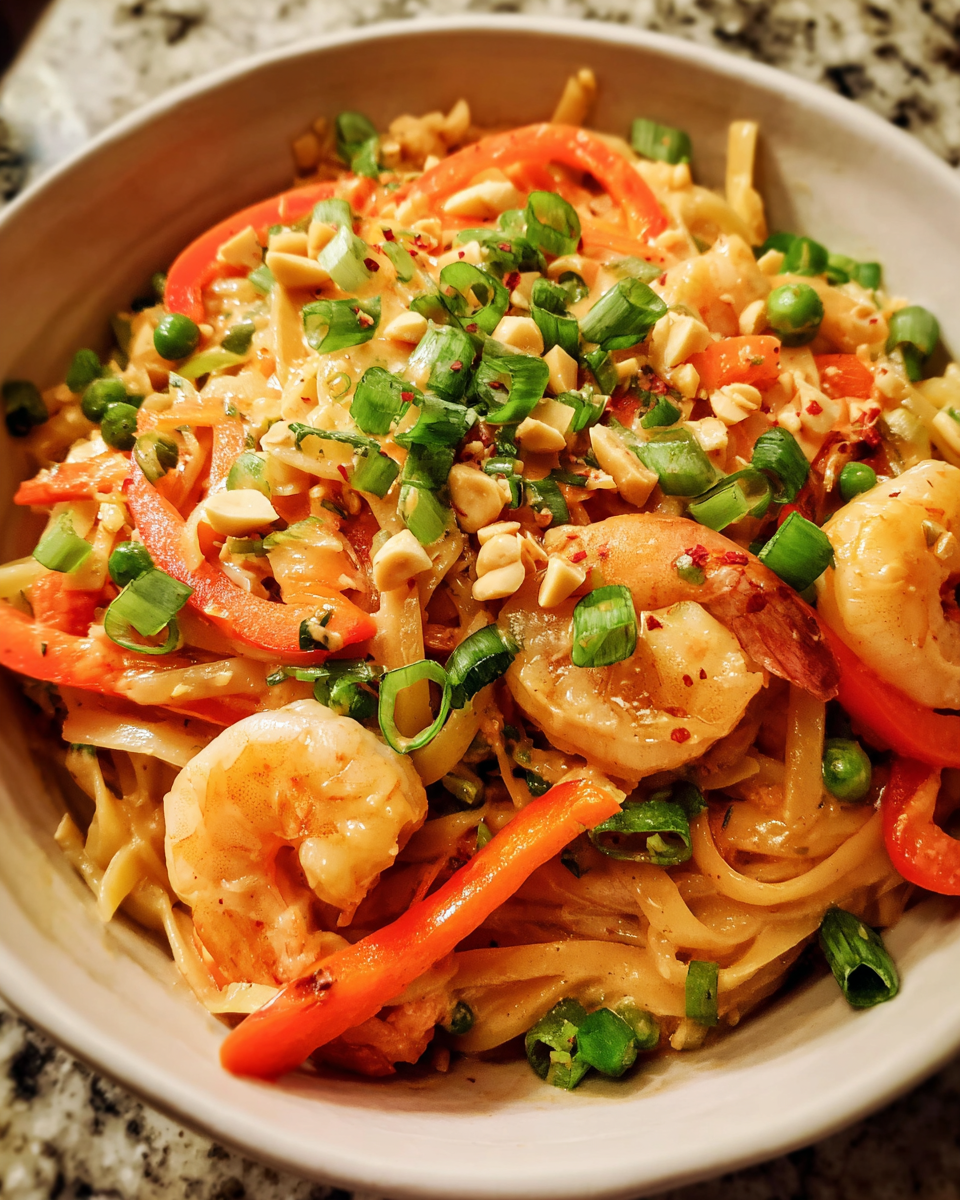
Thai Peanut Sauce Noodles with Shrimp
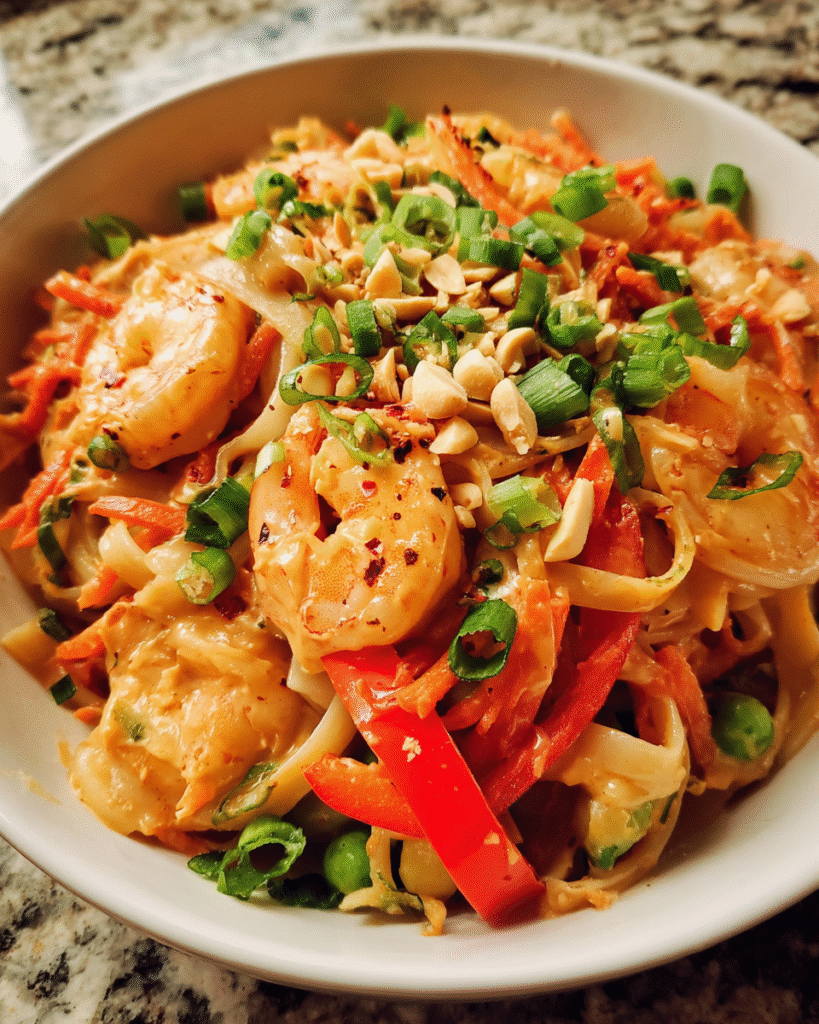
Creating a deeply flavorful bowl of Thai Peanut Sauce Noodles with Shrimp is simpler than most people expect. This dish blends tender noodles, crisp vegetables, and a creamy sauce that strikes a perfect balance of sweet, savory, and spicy. The first bite gives you bright aromatics followed by a rich peanut finish, making it ideal for both weeknights and meal prep. Because the recipe uses approachable pantry staples and quick-cooking seafood, home cooks can enjoy a restaurant-quality meal with minimal effort.
Print
Thai Peanut Sauce Noodles with Shrimp
- Total Time: 30 minutes
- Yield: 4 servings
Description
- Thai Peanut Sauce Noodles with Shrimp made fast and full of flavor. Creamy, vibrant, and perfect for weeknights or meal prep.
Ingredients
-
-
2 tablespoons avocado oil
-
1 cup julienned carrots
-
1/2 large red bell pepper, julienned
-
1 (17.76 oz) package stir-fry noodles, cooked
-
1 cup frozen cooked shrimp (tails and shells removed)
-
3/4 cup frozen peas
-
1/3 cup unsalted peanuts, chopped
-
Salt and pepper, to taste
-
Sliced green onions, for garnish
-
For the Thai Peanut Sauce:
-
-
1/2 cup creamy peanut butter
-
3 tablespoons low-sodium soy sauce
-
2 tablespoons honey
-
2 tablespoons seasoned rice vinegar
-
2 tablespoons lime juice
-
3 cloves garlic, minced
-
1 tablespoon sesame oil
-
2 teaspoons sriracha
-
2 teaspoons chili garlic sauce
-
1/4 teaspoon red pepper flakes (optional)
-
Instructions
-
Cook the noodles according to package directions. Set aside.
-
Prepare the sauce: In a medium bowl, whisk together peanut butter, soy sauce, honey, rice vinegar, lime juice, garlic, sesame oil, sriracha, chili garlic sauce, and red pepper flakes. The sauce will be thick; add a little water if needed to reach your desired consistency.
-
Sauté vegetables: Heat avocado oil in a large pan or wok over medium-high heat. Add the carrots and bell pepper and stir-fry for 5 minutes. Add about 1/4 cup of the peanut sauce to the vegetables and stir to combine. Season with salt and pepper.
-
Add shrimp and noodles: Stir in the shrimp and cooked noodles. Cook for 4–5 more minutes, allowing the shrimp to heat through.
-
Add peas and sauce: Mix in the frozen peas and about 1/2 cup of the remaining peanut sauce. Stir to coat the noodles. Add more sauce as needed until the noodles are well coated.
-
Finish and serve: Garnish with chopped peanuts and green onions. Serve warm.
- Prep Time: 10 minutes
- Cook Time: 20 minutes
- Category: Protein-Packed Salads
- Method: Stovetop
- Cuisine: Thai-American fusion
Thai Peanut Sauce Noodles with Shrimp Flavor Profile & Essentials
What Makes Thai Peanut Sauce Noodles with Shrimp Unique
This dish stands out for its layered flavors and fast cooking technique. The sauce brings a velvety richness from peanut butter, balanced by lime juice and rice vinegar for acidity. Soy sauce adds depth, while sriracha and chili garlic sauce create a warm heat that complements the shrimp without overpowering the natural sweetness of the vegetables. Together, these elements form a satisfying meal with a vibrant Thai-American fusion twist.
Key Ingredients That Create Bold Peanut Flavor
The heart of these noodles is the peanut-based sauce. Creamy peanut butter binds everything, delivering a lush texture that coats the stir-fried noodles beautifully. Soy sauce provides saltiness, honey adds gentle sweetness, and lime juice lifts the entire dish. Garlic creates warmth while sesame oil contributes a nutty aroma. These layers make the sauce bold, balanced, and crave-worthy—perfect for pairing with stir-fry noodles.
Texture Balance in Thai Peanut Sauce Noodles with Shrimp
Every component supports a specific texture. Carrots and bell peppers offer crunch, while the noodles remain soft yet springy. Shrimp adds a firm bite that contrasts with the creamy sauce. Peas provide pops of freshness, and chopped peanuts introduce a satisfying crisp finish. This combination ensures each forkful feels complete, making the dish an excellent standalone meal.
How to Make Thai Peanut Sauce Noodles with Shrimp Step-by-Step
Preparing the Noodles and Vegetables for Thai Peanut Sauce Noodles
Start by cooking the noodles according to the package instructions. While they drain, chop your vegetables so they cook quickly and maintain their color. A hot pan is essential—vegetables should sear rather than steam. Five minutes is enough to soften them slightly while keeping their crunch, which adds contrast to the creamy sauce.
Building a Smooth, Creamy Peanut Sauce
Whisk the sauce ingredients until completely smooth. Peanut butter thickens naturally, so adding a splash of warm water can help achieve the consistency you prefer. The sauce should cling to the noodles without feeling heavy. As it simmers gently with the vegetables, the aromas from garlic, vinegar, and sesame oil deepen, creating irresistible appeal.
Combining Shrimp, Noodles, and Sauce for Perfect Results
Add the shrimp after the vegetables, allowing them to heat through without becoming rubbery. Once the noodles join the pan, toss everything with enough sauce to coat evenly. The residual warmth softens the noodles and encourages them to absorb flavor. The peas go in last so they warm gently and retain their color.
Tips for the Best Thai Peanut Sauce Noodles with Shrimp
How to Prevent Sticky Noodles in Peanut Shrimp Noodles
If you’re using rice-style stir-fry noodles, rinse them briefly after boiling. This removes excess starch and prevents clumping once the sauce is added. Tossing the noodles with a small drizzle of oil before mixing them into the pan also keeps the texture loose and silky.
Properly Heating Frozen Shrimp for Even Cooking
Frozen cooked shrimp heat quickly, but they can become tough if overcooked. Add them only after vegetables have softened and keep the pan at medium heat. Their flavor pairs well with bold sauces, making them perfect for fast stir-fries like this.
Flavor Boosters for Rice Noodles Peanut Sauce Recipes
A pinch of red pepper flakes or a splash of extra lime juice can enhance the dish. If you prefer more sweetness, increase the honey slightly. For added richness, stir in more sesame oil at the end. Fresh herbs like cilantro or basil can brighten the bowl without altering the primary profile.
Ingredient Swaps for Thai Peanut Sauce Noodles with Shrimp
Substituting Protein in Peanut Shrimp Noodles
Chicken, tofu, or salmon work well if you prefer a different protein. Tofu absorbs the sauce beautifully, while chicken makes the dish heartier. For vegetarian versions, simply omit the shrimp and increase the vegetables for added volume.
Noodle Alternatives for Rice Noodles Peanut Sauce Meals
You can use soba noodles, spaghetti, or udon. Each noodle type changes the texture slightly but still pairs well with the peanut sauce. When using wheat pasta, cook it al dente so it stays firm and absorbs the flavors fully.
Sauce Variations to Adjust Spice or Sweetness
If you enjoy more heat, increase the sriracha or chili garlic sauce. For a milder version, reduce them or omit the red pepper flakes. Adding extra lime juice boosts tanginess, while honey strengthens the sweet contrast.
Serving Ideas for Thai Peanut Sauce Noodles with Shrimp
Fresh Garnishes That Complement Peanut Shrimp Noodles
Green onions, cilantro, basil, and chopped peanuts offer refreshing notes and crunchy contrast. A squeeze of lime just before serving lifts the flavor and keeps the bowl vibrant. These garnishes make the dish visually appealing and enhance every bite.
Balanced Side Dishes for Thai Noodle Bowls
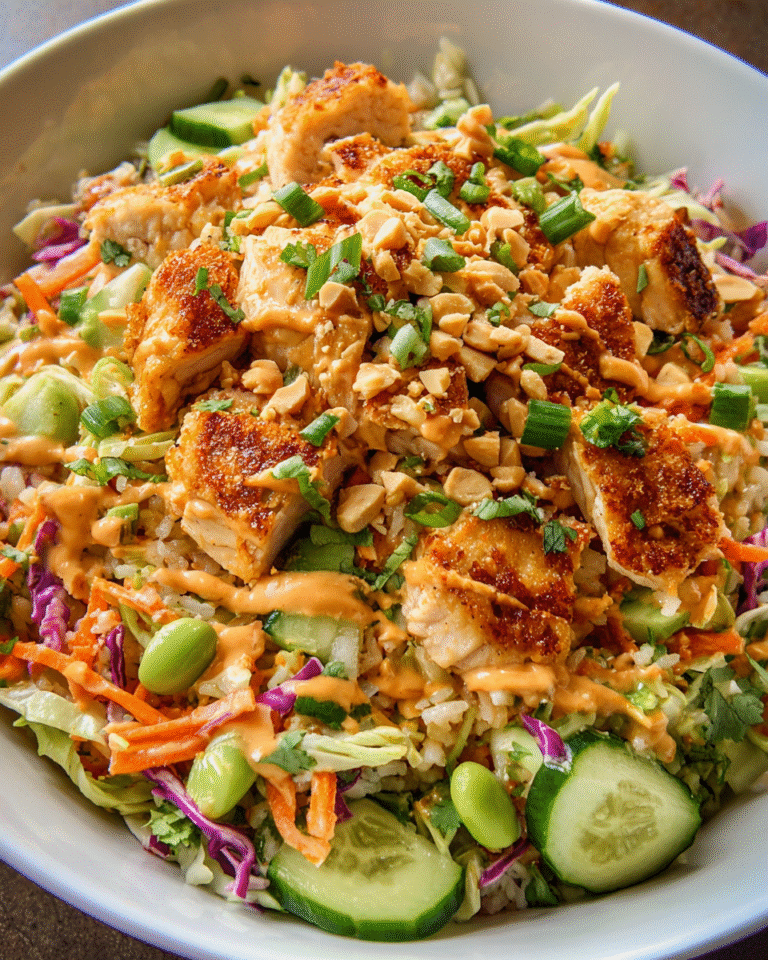
A crisp salad pairs well with the creamy noodles. For inspiration, try a vibrant mix similar to the one featured in this recipe for an Asian-inspired chicken and cashew salad. You can also serve the noodles alongside steamed vegetables or a light cucumber salad for contrast.
Meal Prep and Storage Tips for Rice Noodles Peanut Sauce Dishes
Store leftovers in airtight containers. For meal prep inspiration, you can look at ideas like this convenient make-ahead taco salad bowl. When reheating the noodles, add a tablespoon of water to loosen the sauce.
Frequently Asked Questions
How do I keep rice noodles from clumping in peanut sauce?
Rinsing the noodles helps remove surface starch, and tossing them with a bit of oil keeps them separate. Adding sauce gradually rather than all at once also ensures even coating.
Are peanut shrimp noodles good for meal prep?
Yes, they store well for up to three days. The sauce keeps the noodles flavorful, and shrimp reheats quickly without losing texture.
Can I use other vegetables in this dish?
Absolutely. Broccoli, snap peas, cabbage, or zucchini blend beautifully with the peanut base. Just cut them into thin strips so they cook evenly.
Is the peanut sauce supposed to be thick?
The sauce should be creamy but pourable. If it becomes too thick, whisk in warm water a tablespoon at a time until it reaches the desired texture.
Conclusion
Final Thoughts on Thai Peanut Sauce Noodles with Shrimp
This recipe brings convenience, flavor, and vibrant color to your table. The combination of creamy sauce, crisp vegetables, and tender seafood creates a balanced, satisfying meal.
Why This Dish Belongs in Your Weeknight Rotation
Its short ingredient list and fast cooking method make it perfect for busy evenings. You get a bold, nourishing bowl without sacrificing time or flavor.
How to Customize It for Every Palate
Adjust the sauce, swap vegetables, or change the protein—this dish is endlessly adaptable. Whether you prefer extra spice, richer sweetness, or added crunch, it can suit any taste while staying comforting and delicious.
For more successful recipes, you can visit our Facebook page or our Pinterest account