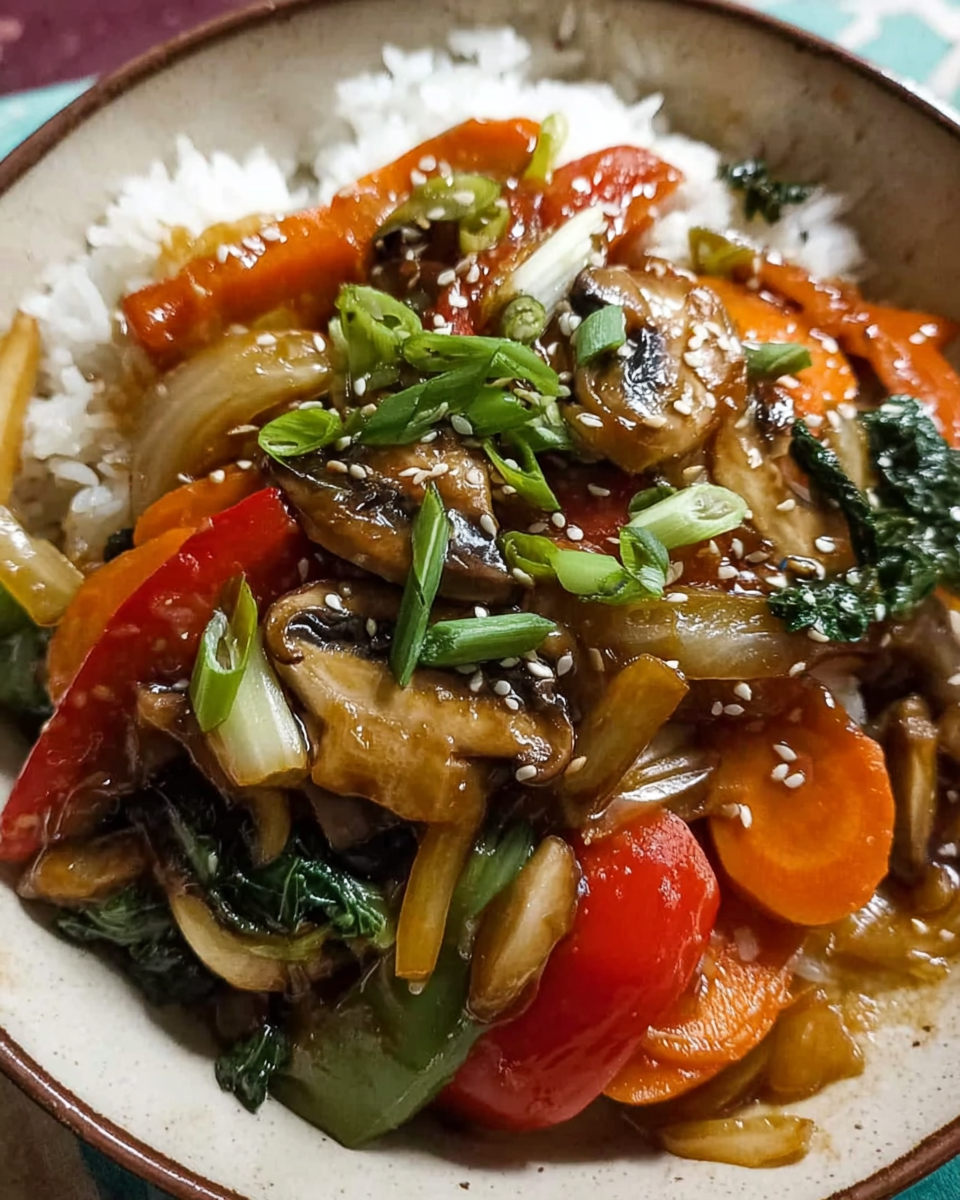
Vegetable Stir Fry: Quick, Flavor-Packed Weeknight Favorite
A good Vegetable Stir Fry has a way of turning a handful of fresh produce into something vibrant, aromatic, and deeply satisfying. The sizzling sound of vegetables hitting a hot pan, the fragrance of garlic and ginger rising in the kitchen, and the glossy sauce that brings everything together create a dish that feels both comforting and energizing.
What makes this recipe so appealing is how effortlessly it fits into everyday cooking. With just a few pantry staples and crisp vegetables, dinner comes together in minutes. The result is colorful, nourishing, and packed with bold flavor that never feels heavy.
Whether served alongside steamed rice, spooned over cauliflower rice, or enjoyed on its own, this simple stir-fry delivers a balance of texture and taste that keeps it on regular rotation in many kitchens.
Print
Vegetable Stir Fry: Quick, Flavor-Packed Weeknight Favorite
- Total Time: 15 minutes
- Yield: 4 servings
- Diet: Vegetarian
Description
A quick and flavorful vegetable stir fry with garlic, ginger, crisp vegetables, and a savory sauce. Perfect for a healthy weeknight dinner ready in just 15 minutes.
Ingredients
1 tablespoon vegetable oil
2 garlic cloves, finely chopped
1 tablespoon fresh ginger, thinly sliced (optional)
1/2 medium onion, sliced
1 large carrot, halved lengthwise and thinly sliced
3 medium bok choy or other leafy greens
1 cup mushrooms, thinly sliced
1 bell pepper, sliced
Sauce:
1 tablespoon cornstarch
1 1/2 tablespoons light soy sauce
2 teaspoons oyster sauce
1/2 teaspoon sesame oil (optional)
Pinch of white or black pepper
3/4 cup water or low-sodium vegetable broth
Optional Garnish:
Sliced green onions
Sesame seeds
Instructions
1. Prepare the vegetables. Slice the carrot thinly. Trim the base of the bok choy and separate the stems from the leaves. Cut stems into bite-size pieces and keep the leaves aside.
2. In a small bowl, whisk together the cornstarch and soy sauce until smooth. Add the oyster sauce, sesame oil, pepper, and water. Stir well to make the sauce.
3. Heat the vegetable oil in a wok or large skillet over high heat.
4. Add the garlic and ginger and cook for about 10 seconds until fragrant.
5. Add the sliced onion and cook for about 30 seconds while stirring.
6. Add the carrot, bell pepper, and bok choy stems. Stir-fry for about 1 minute.
7. Add the mushrooms and continue cooking for 2 to 3 minutes until the vegetables are nearly tender.
8. Add the bok choy leaves and pour in the sauce. Stir continuously for about 1 minute until the sauce thickens and coats the vegetables.
9. Remove from heat and serve immediately. Garnish with green onions and sesame seeds if desired.
Notes
Cut vegetables evenly so they cook at the same speed.
Use high heat for the best stir-fry texture.
You can substitute broccoli, snap peas, or zucchini depending on what you have available.
- Prep Time: 10 minutes
- Cook Time: 5 minutes
- Category: Easy Dinner Ideas
- Method: Stir-Fry
- Cuisine: Chinese
Vegetable Stir Fry: Why This Classic Dish Is Loved Everywhere
Vegetable Stir Fry and Its Global Popularity
Across Asia and far beyond, the Vegetable Stir Fry has become a universal comfort food. Its roots lie in Chinese wok cooking, where ingredients are cooked quickly over intense heat to preserve freshness and texture. That same technique has inspired countless variations across different cuisines.
What makes this dish so widely loved is its adaptability. Every culture and kitchen can shape it differently depending on local vegetables, sauces, and spices. Some versions lean toward delicate seasoning while others embrace bold savory notes.
Despite these differences, the core idea remains unchanged: quick cooking that celebrates the natural flavor of vegetables.
Why Vegetable Stir Fry Is Perfect for Quick Home Cooking
Few meals match the efficiency of a well-prepared Vegetable Stir Fry. The entire cooking process takes only minutes once the ingredients are chopped and ready. Because everything cooks quickly, vegetables stay bright, crisp, and flavorful.
For busy evenings, this speed becomes invaluable. There’s no long simmering or complicated preparation. A hot pan, fresh produce, and a simple sauce are enough to transform dinner into something memorable.
This type of meal also works well alongside other quick dishes. For example, a light sandwich like this classic tuna sandwich recipe can complement a small portion of stir-fried vegetables for a balanced lunch.
Vegetable Stir Fry as a Healthy, Colorful Meal
Color often signals nutrition, and this dish naturally celebrates it. Carrots bring sweetness and brightness, bok choy adds leafy freshness, and mushrooms provide savory depth.
Because the vegetables cook briefly, they maintain much of their texture and nutrients. The result is a meal that feels light yet satisfying, perfect for anyone looking for a wholesome dinner that doesn’t sacrifice flavor.
Vegetable Stir Fry Ingredients That Build Incredible Flavor
Fresh Vegetables That Make Vegetable Stir Fry Shine
The beauty of a great Vegetable Stir Fry begins with fresh produce. Crisp carrots, tender bok choy, earthy mushrooms, and sweet bell peppers create layers of texture that keep every bite interesting.
Each vegetable plays a role in the final dish. Carrots bring structure and sweetness, while leafy greens soften slightly in the heat. Mushrooms soak up the savory sauce, adding richness that balances the lighter vegetables.
Together they create a colorful skillet that looks just as inviting as it tastes.
Aromatics That Elevate Vegetable Stir Fry Taste
Garlic and ginger form the aromatic backbone of many Asian-inspired dishes. When they meet hot oil, they release an aroma that signals something delicious is about to happen.
These ingredients work quietly but powerfully. Garlic adds warmth and depth, while ginger introduces a subtle freshness that lifts the entire dish.
Even a small amount transforms simple vegetables into something layered and complex.
The Simple Sauce That Brings Vegetable Stir Fry Together
A great sauce doesn’t overpower the vegetables—it highlights them. In this recipe, soy sauce delivers savory richness while oyster sauce adds depth and subtle sweetness.
Cornstarch helps the sauce cling to every piece of vegetable, creating that glossy finish that defines a proper stir-fry. A touch of sesame oil adds a gentle nutty aroma that lingers pleasantly.
The result is balanced and comforting without feeling heavy.
Vegetable Stir Fry Cooking Method for Perfect Texture
Preparing Vegetables for Vegetable Stir Fry Success
Preparation is the quiet secret behind every excellent Vegetable Stir Fry. Vegetables should be sliced evenly so they cook at the same pace.
Carrots are best cut thin so they soften quickly, while bok choy stems and leaves are separated. The stems cook first, giving them time to tenderize before the delicate leaves join the pan.
This simple step keeps the dish vibrant rather than overcooked.
High-Heat Cooking Secrets for Vegetable Stir Fry
High heat is essential for achieving the signature texture of Vegetable Stir Fry. When vegetables hit a hot wok or skillet, they cook rapidly while maintaining their crispness.
The quick sear intensifies natural sweetness and prevents moisture from building up in the pan. Instead of steaming, the vegetables develop a slightly caramelized edge that adds flavor.
The result is a lively mix of textures—tender yet still pleasantly crisp.
Timing Ingredients in Vegetable Stir Fry for Best Results
Not all vegetables cook at the same speed. Carrots and bell peppers need a little more time, while leafy greens soften almost instantly.
Adding ingredients in stages allows each one to reach its ideal texture. Aromatics go first, followed by firmer vegetables, and finally delicate leaves and sauce.
This sequence keeps everything balanced and perfectly cooked.
Vegetable Stir Fry Variations Inspired by Asian Kitchens
Japanese Vegetable Stir Fry Inspiration
A Japanese vegetable stir fry often highlights simplicity and clean flavors. Ingredients such as cabbage, bean sprouts, and soy-based seasonings create a lighter profile.
These dishes focus on preserving the natural taste of each vegetable rather than masking it with heavy sauces. The result feels fresh, balanced, and satisfying.
Many home cooks appreciate this style for its gentle, comforting flavor.
Wok of Life Vegetable Stir Fry Cooking Style
The phrase Wok of life vegetable stir fry often refers to recipes inspired by classic home-style Chinese cooking. These versions lean into bold aromatics, balanced sauces, and the unmistakable aroma created by high-heat wok cooking.
The technique focuses on layering ingredients carefully and allowing each component to develop flavor before the sauce ties everything together.
It’s a style that celebrates both skill and simplicity.
Creative Vegetable Stir Fry Additions and Swaps
One of the most enjoyable aspects of a Vegetable Stir Fry is how easily it adapts to what’s in the refrigerator. Snow peas, broccoli, cabbage, or zucchini can slip into the pan without disrupting the dish.
For a refreshing side pairing, a bright salad like this tzatziki chickpea salad recipe complements the savory vegetables beautifully.
Small variations like these keep the dish exciting while preserving its simple charm.
Vegetable Stir Fry Serving Ideas and Pairings
What to Serve with Vegetable Stir Fry
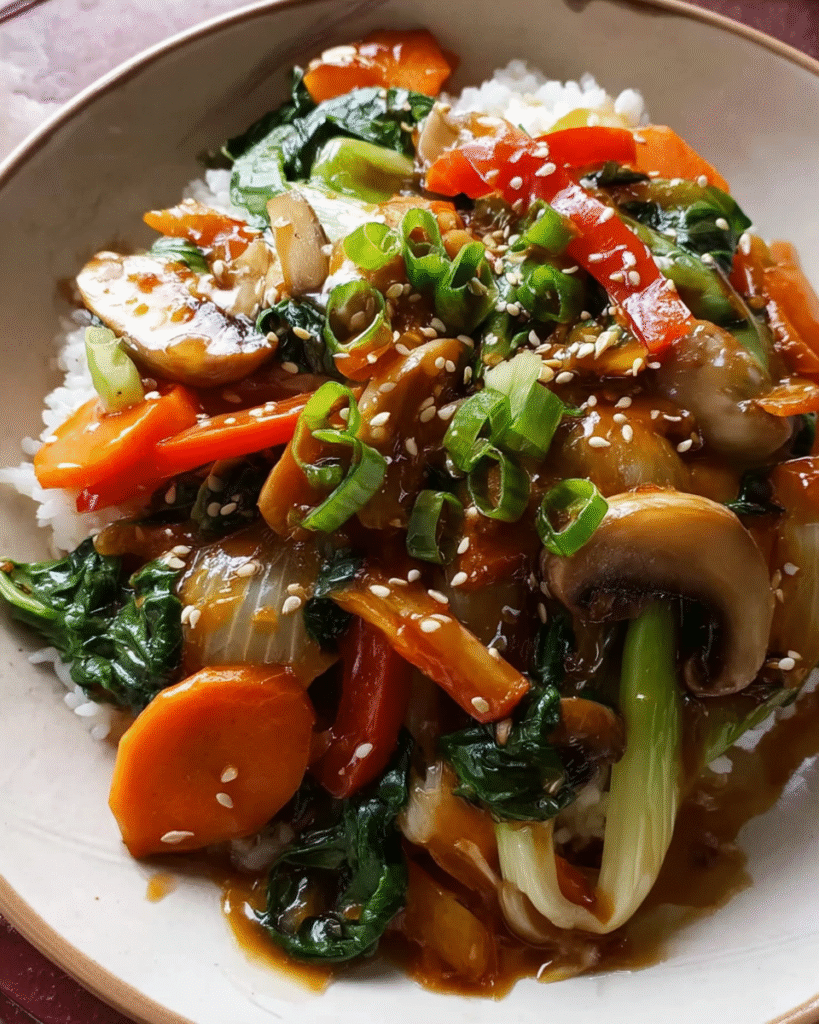
A bowl of steamed jasmine rice remains the classic companion for Vegetable Stir Fry. The rice absorbs the savory sauce and balances the crisp vegetables perfectly.
Brown rice, quinoa, or cauliflower rice also work well for different dietary preferences. Each option adds its own texture while allowing the stir-fry flavors to remain the star.
Turning Vegetable Stir Fry into a Complete Meal
While the dish shines as a side, it easily becomes a full dinner with a few additions. Tofu cubes or edamame add protein and make the meal more filling.
Noodles can also transform the dish into a hearty bowl of comfort food. Tossing the vegetables with cooked noodles creates a satisfying one-pan dinner.
Vegetable Stir Fry for Meal Prep and Leftovers
This dish keeps surprisingly well for quick lunches. Stored in the refrigerator, it reheats easily in a skillet while maintaining much of its texture.
Because the recipe cooks so quickly, many people prefer making it fresh. Still, leftovers offer a convenient and flavorful meal the next day.
FAQ About Vegetable Stir Fry
What vegetables are best for vegetable stir fry?
The best vegetables combine crisp texture with quick cooking. Carrots, bell peppers, bok choy, mushrooms, broccoli, and snap peas all perform beautifully in a hot pan.
How do you keep vegetable stir fry from becoming soggy?
Cooking over high heat and avoiding overcrowding the pan helps vegetables stay crisp. Stirring quickly and adding sauce only near the end also prevents excess moisture.
Can vegetable stir fry be made without a wok?
Yes. A large skillet works well and still produces excellent results. The key is maintaining high heat and moving ingredients constantly while they cook.
How does Japanese vegetable stir fry differ from Chinese versions?
Japanese versions often emphasize lighter seasoning and minimal sauces. Chinese-inspired dishes frequently use richer sauces and stronger aromatics such as garlic and ginger.
Conclusion: Why Vegetable Stir Fry Belongs in Every Kitchen
The Simplicity of Vegetable Stir Fry
Few meals demonstrate how simple cooking can produce vibrant results quite like Vegetable Stir Fry. With minimal ingredients and a few minutes of cooking time, the dish transforms everyday vegetables into something exciting.
The Flavor Balance of Vegetable Stir Fry
The harmony of garlic, ginger, and savory sauce gives the dish depth while allowing each vegetable to shine. Every bite delivers contrast between crisp textures and glossy sauce.
Making Vegetable Stir Fry Part of Your Weekly Meals
Once the technique becomes familiar, the recipe turns into a dependable weeknight solution. It adapts to seasonal produce, cooks quickly, and brings bold flavor to the table without complexity.
That reliability is exactly why this colorful skillet meal continues to appear in kitchens around the world.
For more successful recipes, you can visit our Facebook page or our Pinterest