
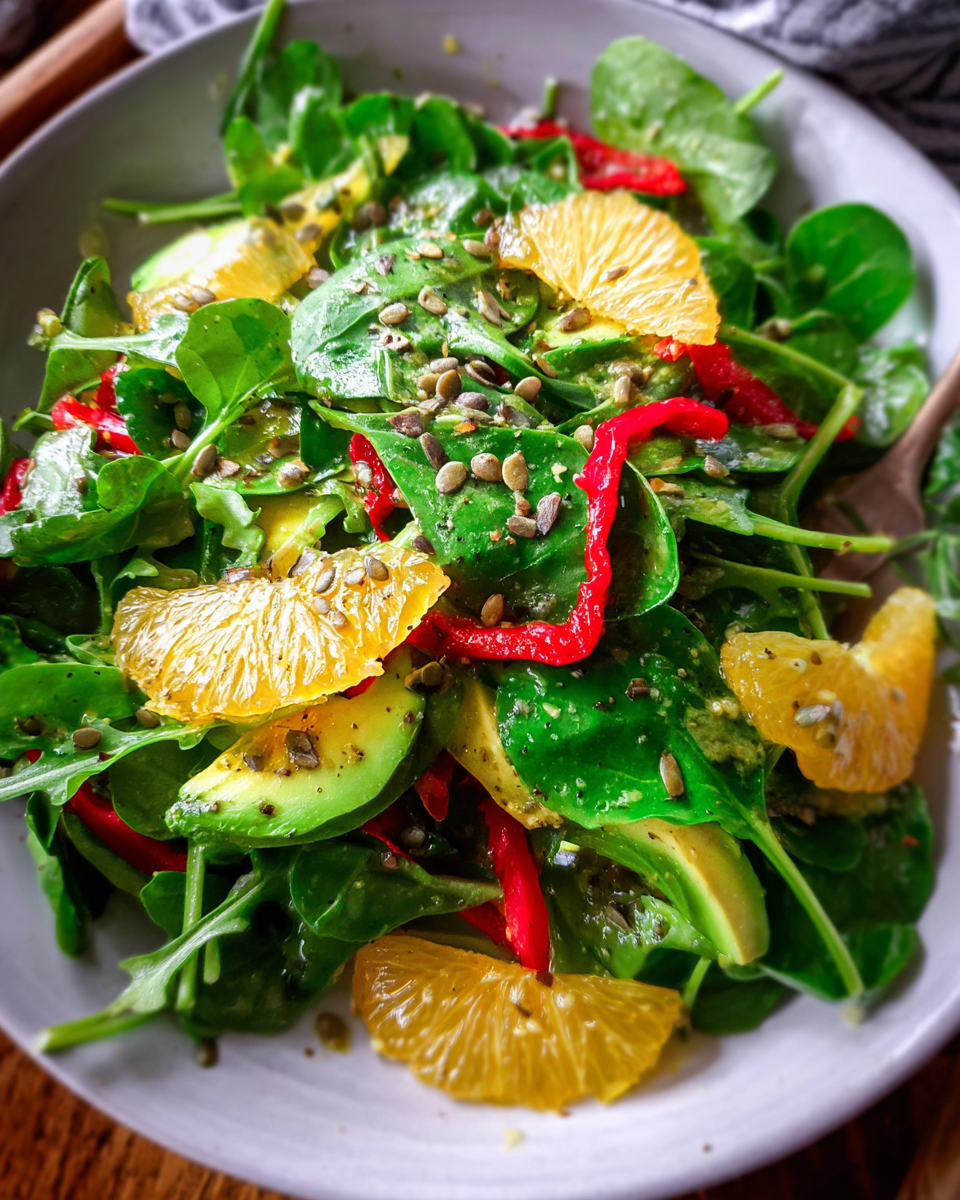
Watercress Salad: A Bright, Nutrient‑Rich Recipe to Refresh Your Table
Introduction :
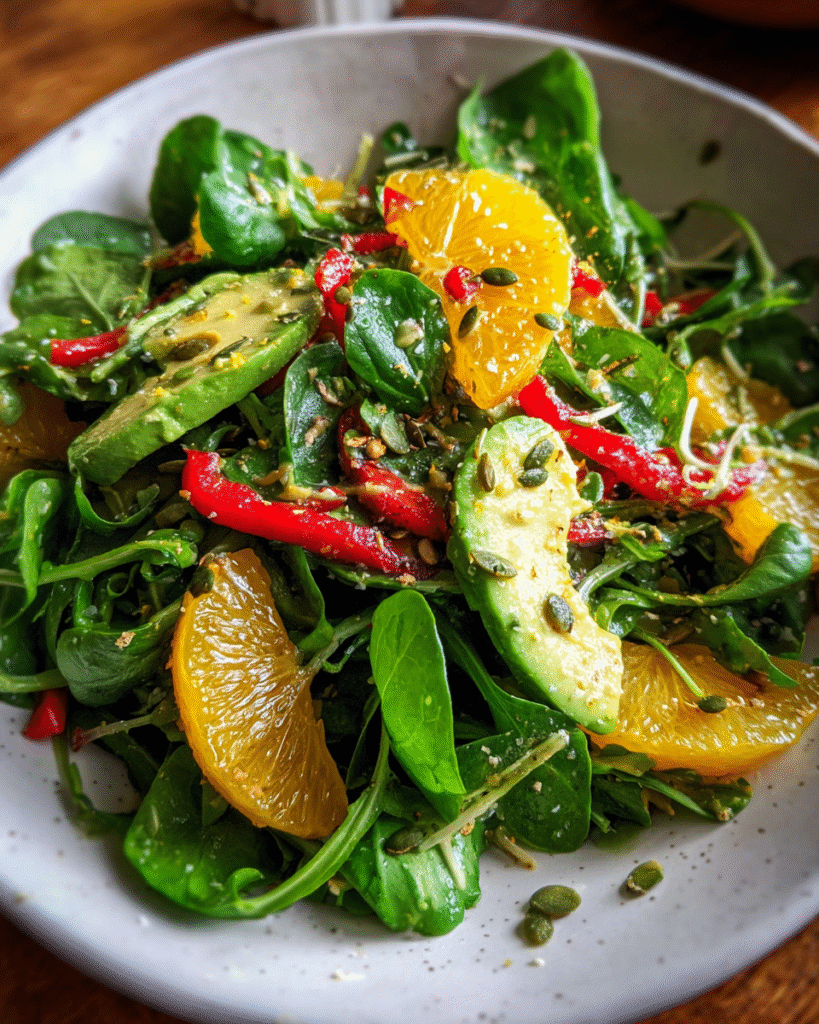
If you’re looking for a crisp, peppery green that brings both flavor and nutrients to your plate, this Watercress Salad delivers. Featuring vibrant watercress, creamy avocado, juicy orange slices, and a zesty vinaigrette, this dish is more than just a side—it’s a celebration of bold, fresh ingredients. In this guide, you’ll explore what goes into a watercress salad, why eating raw watercress is healthy, what makes it so nutritious, and what flavors pair beautifully with it. Whether you’re a salad lover or just curious, you’ll find everything you need to make this refreshing recipe part of your regular rotation.
Print
Watercress Salad: A Bright, Nutrient‑Rich Recipe to Refresh Your Table
- Total Time: 5 minutes
- Yield: 2 servings
Description
- Watercress salad bursts with fresh flavor, citrus, and avocado. A nutrient-rich, 5-minute salad that’s simple, healthy, and delicious.
Ingredients
-
3 cups watercress (about 3 oz)
-
3 tablespoons extra virgin olive oil
-
1 tablespoon apple cider vinegar
-
1 garlic clove, finely grated
-
3 pinches sea salt
-
3 pinches ground black pepper
-
1 tablespoon Dijon mustard
-
1 ripe avocado, sliced
-
1 orange, peeled and sliced
-
1 red bell pepper, thinly sliced
-
Mixed seeds for topping (optional)
Instructions
-
In a small bowl, whisk together the olive oil, apple cider vinegar, grated garlic, sea salt, black pepper, and Dijon mustard until well combined.
-
In a large mixing bowl, combine the watercress, avocado slices, orange segments, and red bell pepper.
-
Pour the dressing over the salad and toss gently to coat all ingredients evenly.
-
Transfer the salad to a serving dish and sprinkle with seeds if desired.
-
Serve immediately for the freshest flavor and texture.
- Prep Time: 5 minutes
- Cook Time: 00 minutes
- Category: Healthy Salad Recipes
- Method: No-cook
- Cuisine: American
Table of Contents
What Is in a Watercress Salad?
Core Ingredients That Define the Salad
At its heart, a watercress salad begins with one standout ingredient—fresh, peppery watercress. This leafy green has a sharp flavor and delicate texture that sets it apart from spinach or arugula. In most recipes, including the one featured here, watercress forms the foundation and is often paired with just a few bold, fresh ingredients to highlight its taste. Think ripe avocado, sweet orange slices, and crunchy red bell pepper. Together, they create a flavorful balance that’s refreshing and dynamic without overwhelming the senses.
Simple Dressings that Let Watercress Shine
A good watercress salad doesn’t need a complicated dressing. A basic vinaigrette made with extra virgin olive oil, apple cider vinegar, Dijon mustard, sea salt, and freshly grated garlic is all it takes to elevate this dish. This combination enhances the natural spiciness of the greens while adding depth and creaminess. The mustard acts as an emulsifier, helping the oil and vinegar blend seamlessly, and the garlic offers an aromatic kick. Pouring the dressing just before serving ensures the watercress stays crisp and lively.
Optional Additions for Texture and Flavor
While the basic salad is flavorful on its own, optional toppings like mixed seeds—pumpkin, sunflower, or chia—can add extra crunch and a nutritional boost. You might also consider shaved fennel, thinly sliced radishes, or a handful of microgreens for variety. These additions help personalize the dish without compromising the bold essence of the watercress. Whether served alone or alongside mains like vegan pasta salad, this salad can transform any meal into something memorable.
How to Make a Watercress Salad
Step-by-Step Recipe Breakdown
Creating this watercress salad is effortless and rewarding. Begin by whisking together your vinaigrette: combine extra virgin olive oil, apple cider vinegar, grated garlic, Dijon mustard, and pinches of sea salt and black pepper. This dressing delivers brightness, a hint of spice, and enough richness to complement the greens.
Next, in a large bowl, layer fresh watercress, sliced ripe avocado, peeled orange segments, and thinly sliced red bell pepper. These ingredients each bring unique texture—peppery, creamy, juicy, and crisp. Drizzle the dressing over the mixture, then gently toss everything to coat without bruising the delicate leaves. Finally, sprinkle mixed seeds on top if you like a nutty crunch.
Serve the salad immediately for peak freshness and color. With only five minutes of prep time, this no-cook dish offers an impressive combination of flavors and nutrition without the fuss.
Preparation Tips for Best Results
To ensure the best result, select vibrant, unwilted watercress. Rinse thoroughly and dry gently—excess water can dilute the dressing. When peeling the orange, remove as much of the white pith as possible for a cleaner presentation and less bitterness.
Toss the salad gently with clean hands or salad tongs to avoid breaking the avocado or crushing the watercress. If you’re prepping ahead, store the components separately and assemble just before serving.
For variety, pair this dish with a heartier option like a creamy noodle salad for a colorful spread at lunch or dinner. Its fresh contrast works beautifully beside richer, creamy dishes.
Is It Healthy to Eat Raw Watercress?
Nutritional Benefits of Raw Watercress
Yes—eating raw watercress is not just safe; it’s one of the healthiest choices you can make for a salad green. Watercress is loaded with essential vitamins, including vitamin K, vitamin C, and vitamin A, all of which support bone strength, immune defense, and skin health. Unlike some leafy greens that require cooking to reduce bitterness, watercress offers its full nutritional power when enjoyed fresh.
In its raw form, it also provides antioxidants like beta-carotene and plant compounds like isothiocyanates, which are believed to support detoxification and reduce inflammation. Because it has so few calories, watercress delivers a high nutrient-per-calorie ratio, making it a standout ingredient in any balanced diet.
Precautions and Considerations
While raw watercress is generally safe, a few simple precautions can enhance its safety and digestibility. Always wash it thoroughly under cold water to remove any grit or bacteria. If you’re buying wild-harvested watercress, be cautious—it can sometimes grow in water contaminated with parasites. Always source from trusted markets or wash thoroughly if unsure.
If you’re on blood-thinning medications, consult your doctor before consuming large amounts of watercress due to its high vitamin K content. For everyone else, enjoying it raw in dishes like this salad is both beneficial and delicious.
Eating watercress raw not only maintains its crunchy texture but also maximizes its health benefits. When tossed with avocado and citrus, it creates a salad that’s more than just a side—it’s a powerhouse on your plate.
What’s in Watercress? (Nutrients That Power This Salad)
A Breakdown of Nutrients Inside Every Bite
Every forkful of watercress brings a burst of essential nutrients that support overall wellness. Just one cup offers more than 100% of your daily vitamin K needs—key for bone health and proper blood clotting. It’s also a solid source of vitamin C, which boosts immune function and supports collagen production, and vitamin A, vital for vision and skin.
Watercress also contains minerals like calcium, potassium, and magnesium, all critical for nerve, muscle, and heart health. These nutrients are delivered in an ultra-low-calorie package, making watercress an ideal choice for nutrient-rich, weight-conscious meals.
Powerful Plant Compounds with Health Effects
Beyond vitamins and minerals, watercress contains impressive phytochemicals. These include glucosinolates, isothiocyanates, and polyphenols, compounds known for their antioxidant and anti-inflammatory properties. Isothiocyanates, for example, are linked to detoxification support and potential cancer-preventive effects, according to ongoing nutritional research.
Another standout compound is nitrate, naturally present in watercress, which converts in the body to nitric oxide—a molecule that helps relax blood vessels and support heart health. That means your watercress salad isn’t just satisfying; it actively supports circulation and cellular protection.
Incorporating watercress into meals offers far more than peppery flavor. It delivers tangible wellness benefits, from immunity to inflammation. Pair it with fresh avocado and citrus, and you’ve got a meal that nourishes just as much as it delights.
FAQS
What is in a watercress salad?
A classic watercress salad typically includes fresh watercress leaves and a mix of complementary ingredients such as sliced avocado, citrus segments (like orange or grapefruit), and crunchy vegetables like red bell pepper or cucumber. It’s usually finished with a simple vinaigrette made of olive oil, vinegar, mustard, and seasonings. Optional toppings like seeds or nuts can add texture and extra nutrition.
Is it healthy to eat raw watercress?
Absolutely. Raw watercress is packed with nutrients like vitamin K, vitamin C, and antioxidants. Eating it raw preserves its delicate flavor and maximizes its health benefits. As long as it’s washed thoroughly and sourced from clean environments, raw watercress is a safe, nutrient-dense choice for most people.
What’s in watercress?
Watercress is a powerhouse of vitamins (especially K, C, and A), minerals (like calcium and potassium), and plant compounds such as glucosinolates and isothiocyanates. These contribute to its antioxidant properties and potential health benefits, including improved bone strength, immune support, and reduced inflammation.
What goes well with watercress?
Watercress pairs beautifully with ingredients that balance its peppery bite. Think citrus fruits, creamy elements like avocado or goat cheese, crisp veggies such as fennel or radish, and crunchy toppings like toasted seeds or nuts. It also works well alongside grains or proteins, making it a versatile base for vibrant, nutrient-rich salads.
Conclusion
This Watercress Salad is more than a simple dish—it’s a vibrant fusion of flavor, nutrition, and ease. With just a handful of fresh ingredients and five minutes of prep, you unlock a salad that’s peppery, creamy, juicy, and refreshing all at once. It’s perfect for busy weeknights, elegant lunches, or as a colorful side dish for your next gathering.
Beyond taste, watercress offers substantial health benefits: antioxidants, vitamins, and anti-inflammatory compounds that nourish your body while delighting your palate. Whether you pair it with a heartier entrée or enjoy it solo, this salad proves that healthy eating doesn’t have to be bland or boring.
For even more vibrant, plant-forward meals, try pairing this recipe with options like a creamy noodle salad or vegan pasta salad—you’ll discover how effortless and exciting eating fresh can truly be.
For more successful recipes, you can visit our Facebook page or our Pinterest account


One Comment
Comments are closed.